
Enhancing Corporate Well-Being: Utilizing Outdoor Spaces for Team-Building and Improving Focus and Creativity
San Francisco, CA | Updated: 11/13/2025
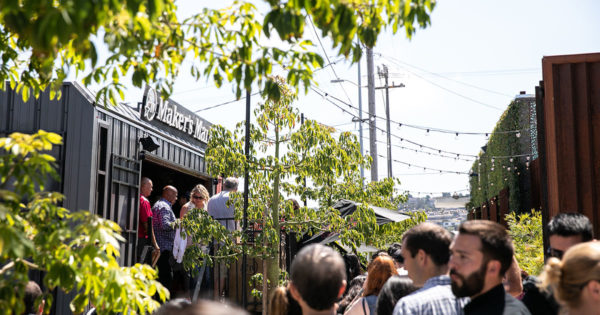
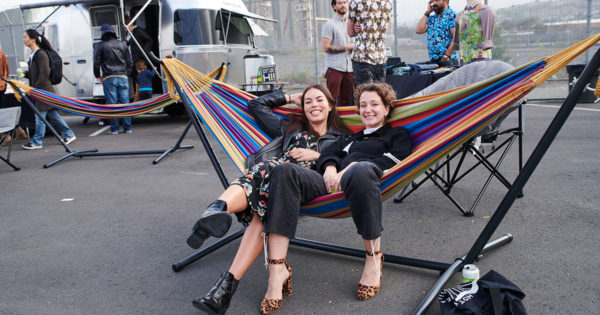
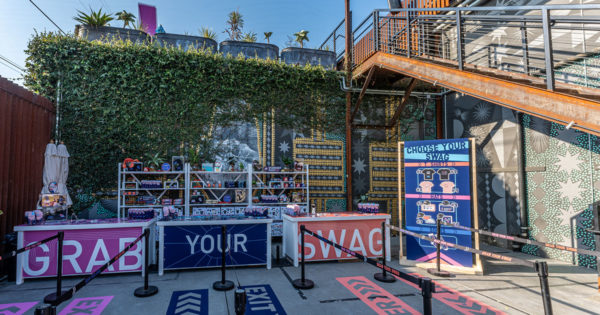
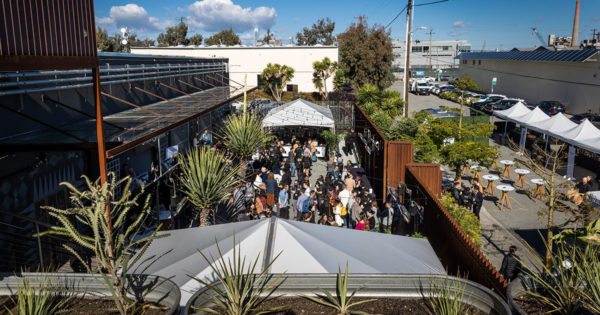
As companies navigate a workplace landscape shaped by hybrid schedules, rising burnout, and a renewed demand for meaningful in-person experiences, the design of corporate events matters more than ever. Outdoor spaces—once considered a “nice-to-have”—have become one of the most valuable tools for boosting engagement, well-being, and team cohesion.
Thoughtfully integrating outdoor environments into meetings, retreats, conferences, and team-building days does more than offer fresh air. It helps reduce stress, restores attention, and encourages employees to reconnect in ways that traditional indoor settings often can’t achieve. For companies, it is a simple but powerful way to demonstrate a real commitment to employee wellness and modern workplace values.
A Reset for the Mind: Stress Reduction in Natural Environments
In an era when employee burnout and cognitive overload are constant concerns, nature provides an immediate and measurable antidote. Outdoor settings can help lower stress levels, calm the nervous system, and provide a softer backdrop for conversation and collaboration.
This mental reset frees up greater focus, higher-quality thinking, and clearer decision-making. When attendees feel calmer and more grounded, they are far more engaged with discussions, workshops, and activities throughout the day.
Nature as a Catalyst for Creativity and Focus
Even short interactions with natural settings can spark cognitive benefits that carry through an entire event. Exposure to plants, sky, open air, artful outdoor structures, and city or waterfront views stimulates the brain in different ways than a traditional conference room or office.
Research has shown that natural and visually rich environments support divergent thinking—the kind of expansive, imaginative thinking that drives innovation and creative problem-solving. Outdoor spaces can also reduce visual monotony, giving attendees new perspectives and a sense of possibility that is harder to achieve in static indoor environments.
In addition, outdoor daylight increases alertness and helps regulate circadian rhythms, which can improve energy, mood, and cognitive performance during full-day summits or workshops. For innovation-focused companies, creative agencies, and tech teams, the outdoor portion of an event is often where the best ideas emerge.
Combating Mental Fatigue in a Hybrid Work Era
With many teams now split between remote and in-office schedules, corporate gatherings carry more responsibility than ever: they are where alignment, culture, and connection happen. That means attention spans are precious—and often already stretched by endless video calls, notifications, and multitasking.
Outdoor environments offer a break from cognitive strain and give the brain space to reset. Even 10–15 minutes outside between sessions can help reduce mental fatigue, restore attention, and improve the overall quality of participation when attendees return to indoor sessions or more structured tasks.
Designing events around a rhythm of “outdoor reset, indoor focus” can be especially effective. For example, groups might move outside for an energizing activity or reflective exercise, then head back inside for presentations, workshops, or facilitated discussions with renewed clarity and focus.
Relaxed Networking and Natural Social Connection
Networking and team connection can feel stiff or forced indoors, especially in formal or high-pressure settings. Outdoor spaces naturally soften the tone. People stand differently, move more freely, and feel more at ease striking up conversations when they are not confined to rows of chairs or boardroom tables.
Outdoors, hierarchies feel less rigid, and cross-team conversations tend to happen more organically. This can lead to better cross-functional alignment, a stronger sense of community, and more authentic conversations between colleagues, clients, and partners.
Outdoor environments also provide room for structured and semi-structured team-building activities that invite people to move, explore, and collaborate. Light physical movement—whether it is a guided walk, a creative challenge, or a simple game—has been linked to improved cognitive function, including creative thinking and problem-solving skills. The impact on team cohesion is both immediate and lasting.
Memorable Environments and Stronger Event ROI
In an experience-driven world, attendees remember how an event felt just as much as what was said. Outdoor spaces add mood, texture, and visual excitement to an event, turning a standard meeting into something more immersive and memorable.
Whether it is an outdoor welcome reception, a mid-day reset session, a sunset networking hour, or a closing celebration under the open sky, the setting becomes part of the storytelling. Attendees remember where they were when they had a breakthrough conversation, built a new connection, or experienced a moment that sparked a new idea.
For companies, the result is stronger engagement, more satisfied employees, and events that feel worth the time and investment—not just another day out of the office, but an experience that aligns with how people want to work and connect now.
A Reflection of Company Culture and Values
Integrating outdoor elements into corporate events sends a clear message about company culture. It signals that employee well-being is a priority, that creativity and human-centered design matter, and that leadership understands the link between environment and performance.
For teams used to working on screens and in virtual spaces, thoughtful use of outdoor areas offers something they cannot get from a video call: a shared, real-world experience that engages the senses, builds trust, and resets the mind. When companies design events that balance indoor structure with outdoor restoration, they create gatherings that feel modern, intentional, and genuinely people-first.
By leveraging outdoor spaces for meetings, summits, retreats, and celebrations, organizations can improve focus, spark creativity, and support the mental well-being of their teams—while also elevating the overall impact and memorability of every event they host.























































RELATED CONTENT