Why Production-Ready Venues Are Redefining Corporate Events in 2026

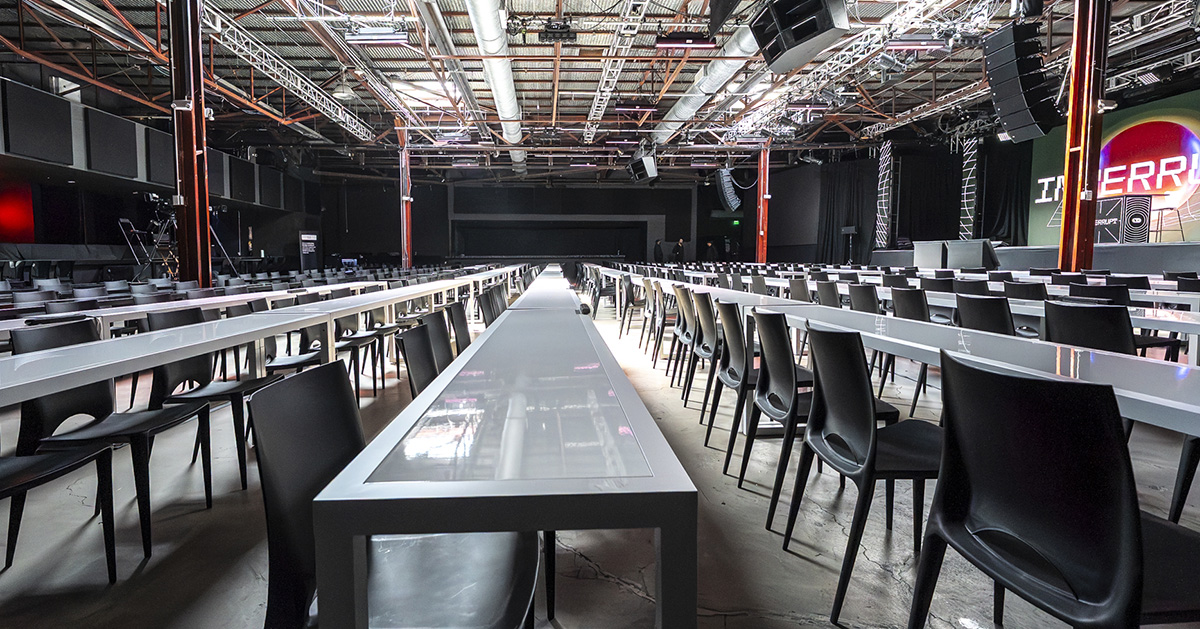
The expectations around corporate events have changed dramatically over the last few years. Planners are working with shorter timelines, higher production standards, and audiences who have seen a lot of “good enough” events. Today, the bar is higher: events need to feel cinematic, seamless, and technically flawless—without demanding three times the time or budget.
That’s where production-ready venues come in. Instead of starting from a blank box and building everything from scratch, more teams are gravitating toward spaces that have the infrastructure, technology, and on-site expertise already in place. These venues do more than host events. They act as creative and technical partners in bringing them to life.
In San Francisco, especially for tech, AI, and innovation-focused events, production-ready spaces like The Midway are reshaping what’s possible on realistic timelines and budgets. This article explores why that shift is happening, what “production-ready” really means, and how it can change the way teams plan their conferences, summits, launches, and celebrations.
The New Reality of Corporate Event Planning
Corporate events used to be primarily about content delivery: a stage, a screen, a microphone, and a room full of people. Today, they are multi-dimensional experiences. A single event might include a keynote, breakout sessions, live demos, content capture for social, livestream segments, curated networking moments, and an evening celebration—all in one day.
At the same time, planners are dealing with:
- Shorter planning cycles as internal approvals take longer but launch dates stay fixed.
- Higher production expectations from attendees who are used to polished brand experiences.
- Hybrid needs, where key moments need to translate both in-room and on-screen.
- Complex run-of-show formats that blend content, experience, and hospitality.
Trying to deliver all of that while also sourcing, managing, and integrating multiple external vendors can quickly stretch teams thin. That’s one reason production-ready venues are becoming more attractive: they reduce the number of variables that planners have to control on their own.
Why “Bring-Your-Own-AV” Has Become a Bottleneck
Many planners are familiar with the traditional model: book a venue, then bring in outside AV, lighting, staging, and sometimes even power distribution. On paper, this seems flexible. In practice, it can become a major bottleneck, especially for events with tight timelines or ambitious creative goals.
Common challenges include:
- Rising vendor costs for equipment, labor, and extended load-in/load-out windows.
- Longer set-up times as teams transform a basic room into a fully produced environment.
- Integration issues between different vendors and the venue’s existing infrastructure.
- Unpredictable line items that can push the event over budget late in the process.
- Increased stress as planners become de facto production managers on top of their existing responsibilities.
“Bring-your-own-everything” still works for some events, especially those that need highly customized builds or one-off concepts. But for many corporate gatherings—especially recurring events, roadshows, or growing conferences—it is not the most efficient or sustainable approach.
What Makes a Venue Truly Production-Ready?
“Production-ready” means more than “we have a sound system.” A truly production-ready venue is designed to support complex, modern events without reinventing the wheel every time. It combines infrastructure, layout, and on-site expertise in a way that gives planners a strong foundation to build on.
Key characteristics often include:
- Robust power capacity that can support LED walls, media servers, demo stations, content capture, and more without patchwork solutions.
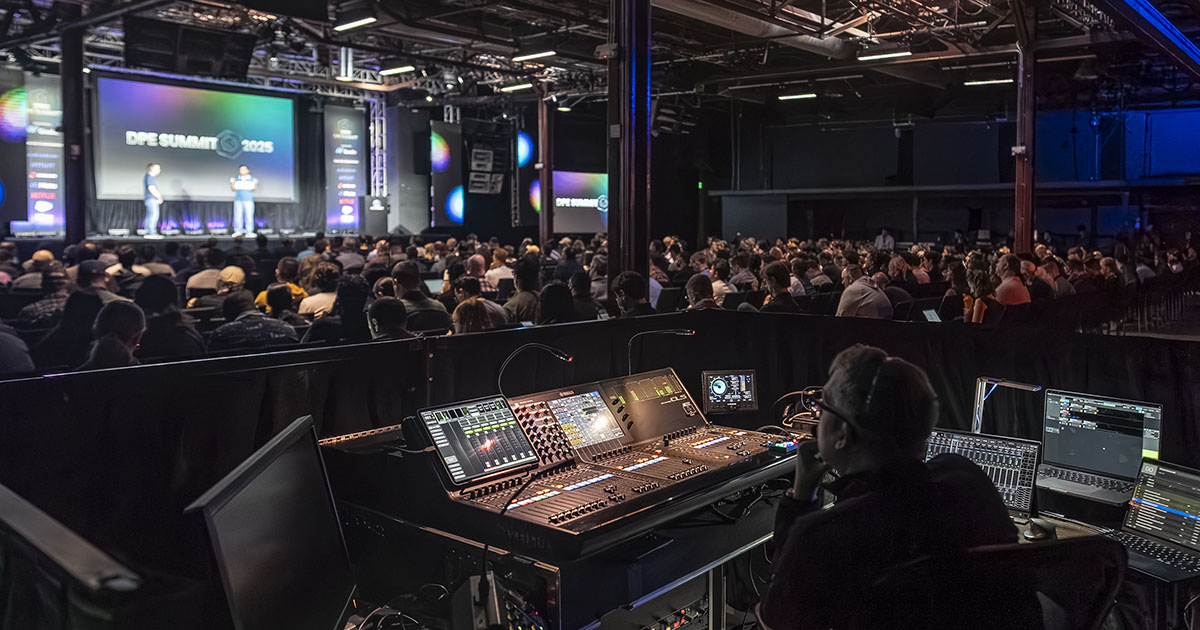
- Integrated AV systems for sound, lighting, and projection across primary rooms, reducing the need to start from scratch.
- Flexible staging and layouts that can move from keynote to panel to performance with minimal reconfiguration.
- Thoughtful acoustics and isolation so multiple sessions or experiences can run at the same time without competing with each other.
- Livestream and recording capability baked into the venue’s infrastructure, rather than added on at the last moment.
- Experienced in-house production partners who know the rooms, understand typical event formats, and can anticipate needs.
- Spaces designed for movement, allowing guests to flow naturally from arrival to mainstage content to networking and hospitality zones.
When all of this is in place, planners have a base they can trust. They can focus on message, experience, and relationship-building instead of worrying whether the power grid or ceiling rigging will cooperate.
How Production-Ready Venues Save Time and Budget
One of the most compelling reasons to choose a production-ready venue is the impact on time and budget. While every event is different, there are some consistent advantages that planners notice quickly.
- Faster planning cycles: When a venue already knows how to handle keynotes, breakouts, demos, and after-parties, there is less trial and error. Existing floor plans, production diagrams, and case studies help teams make decisions faster.
- Streamlined vendor management: With integrated AV and in-house production teams, there are fewer outside vendors to manage and fewer points of potential miscommunication.
- More predictable costs: When core production elements are part of the venue’s standard capabilities, planners can forecast budgets with more confidence and fewer last-minute surprises.
- Reduced technical risk: Teams that work in the same space week after week know its quirks, strengths, and limitations, and they can design events accordingly.
- Ability to scale creatively: Once an event has found a successful format at a production-ready venue, it is easier to evolve and expand without re-building from scratch each year.
For internal stakeholders—from finance to leadership—this combination of creative quality and operational efficiency is a powerful argument for choosing venues that are already standing on solid production ground.
Inside a Production-Ready Creative Campus
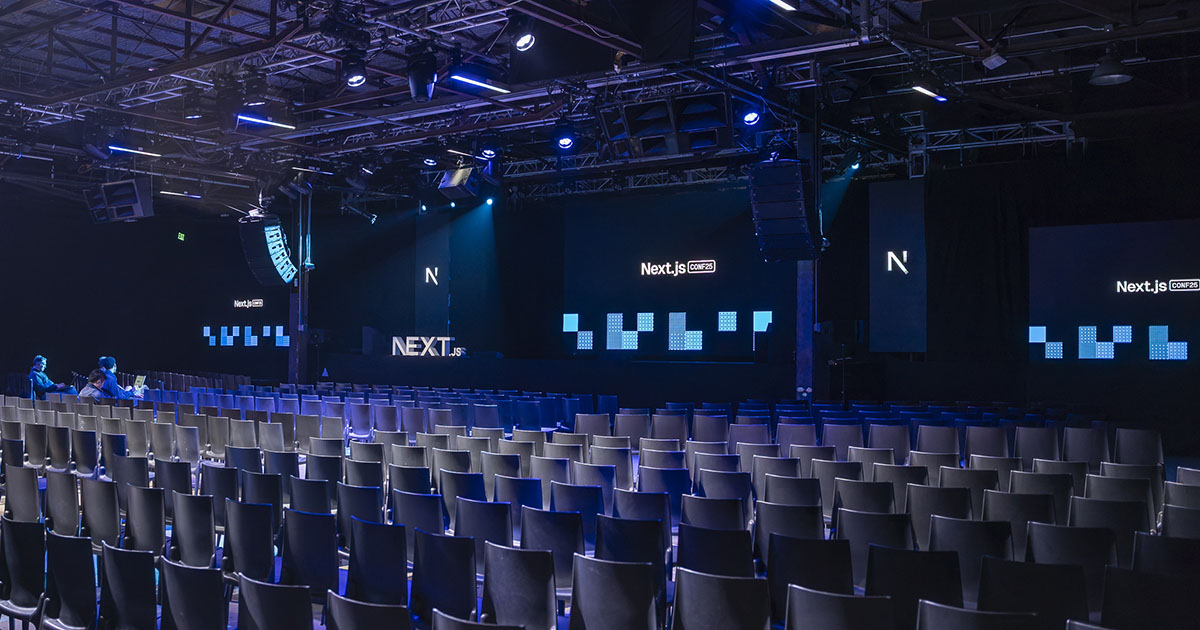
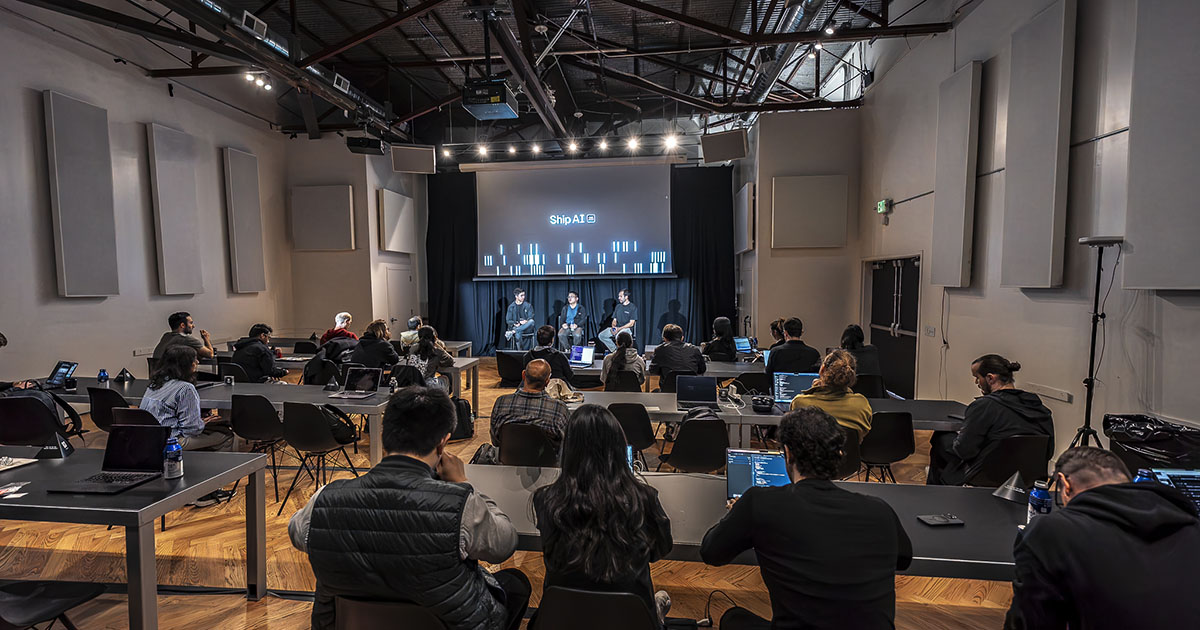
The Midway in San Francisco is an example of how a venue can be intentionally built around production requirements while still feeling creative and welcoming. As a 40,000-square-foot campus with multiple distinct rooms, indoor–outdoor flow, and a full production backbone, it supports events that need to move through different moods and formats over the course of a day or evening.
For a typical corporate or tech-focused event, that might look like:
- A dynamic keynote or fireside chat in a main room with integrated sound, lighting, and projection.
- Breakouts or salons in more intimate spaces where audio is controlled and conversations feel focused.
- Immersive demos or interactive content in a room equipped for 360° projection or creative staging.
- Arrival, sponsor showcases, or meet-and-greet moments in a gallery-style space that feels curated rather than crowded.
- Networking, receptions, or after-hours programming on a patio or rooftop, supported by lighting and sound that complement the mood.
The campus model gives planners a “choose your own experience” canvas. Guests can move between environments that feel different but connected, while the production infrastructure behind the scenes keeps everything coherent and on schedule.
Supporting Modern Event Formats: From AI Summits to Product Launches
As event formats evolve, production-ready venues are particularly valuable for tech and AI companies, creative agencies, and brands working on highly visual launches. The requirements for these events often go beyond a podium and screen. They may include live product demos, data visualizations, multi-screen storytelling, interactive experiences, and content that needs to be captured for later use.
Because venues like The Midway are already designed for these types of experiences, planners can:
- Stage complex demos without rebuilding technical infrastructure from scratch.
- Use lighting and projection to transform rooms over the course of the event.
- Capture key content through multi-camera setups or livestreams using existing systems.
- Host multiple audiences—executives, customers, partners, community members—in different spaces within the same campus.
This approach supports events that need to feel polished and on-brand while still delivering genuine connection and conversation.
Why San Francisco Is Leaning Toward Production-Ready Spaces
San Francisco continues to be a hub for innovation, particularly in AI, software, and creative technology. The events that happen here often sit at the intersection of product, policy, culture, and community. They attract guests who are deeply familiar with tech-forward environments, and who expect events to feel thoughtful, intentional, and current.
As a result, the demand for venues that combine strong production capabilities with artistic character has grown. Many teams are looking for spaces that don’t feel like anonymous hotel ballrooms, but that still offer the reliability and infrastructure of a professional production environment. Creative campuses that blend art, technology, and hospitality are uniquely well-positioned to meet that demand.
Future-Proofing Your Event Strategy with Production-Ready Venues
For planners, choosing a production-ready venue is about more than getting through a single event. It is a way to future-proof an event program—especially for recurring conferences, annual meetings, and ongoing community gatherings.
When a team finds a venue that understands their brand, supports their technical requirements, and can grow with them year over year, the relationship becomes a strategic asset. Planning cycles get smoother. Stakeholders feel more confident. Creative ideas become easier to execute.
When evaluating venues for upcoming events, it can be helpful to ask:
- What production capabilities are already built into the space?
- How experienced is the onsite team with events similar to ours?
- Can the venue support multiple formats—keynotes, demos, breakouts, and celebrations—within a single day?
- Is there room for the event to grow here over the next few years?
Venues that can answer “yes” to these questions give planners more than a location. They provide a framework for delivering events that meet today’s expectations while leaving room for tomorrow’s ideas.
Looking for a San Francisco venue that can deliver on production capabilities?
Explore event spaces at The Midway | View our Event Video Gallery | Contact our event team












































RELATED CONTENT