
Rethinking the Holiday Party: Why Annual Celebrations Are Moving Beyond December
The Shift Away from the Traditional Holiday Party
For years, the company holiday party has been a fixed point on the calendar, typically landing in December and following a familiar format.
That’s starting to change. More companies are rethinking not just when they host these events, but how they want them to feel. The goal remains the same. Teams want to connect, celebrate milestones, and recognize the year. The approach, however, is evolving.
The holiday party is becoming something broader. A more flexible, more intentional annual celebration.
Why Companies are Looking Beyond December
December can be a challenging window. Even well-planned events can feel rushed or harder for attendees to fully engage with.
Calendars are compressed. Teams are balancing deadlines, travel, and personal commitments. Many companies are hosting events within the same narrow timeframe, which creates competition for attention and limits flexibility.
This doesn’t mean December is off the table. It simply means planners are starting to think more strategically about timing and format.
The Rise of the Annual Celebration
In response, many organizations are expanding beyond the traditional holiday party and treating these as annual celebrations.
Instead of anchoring to a specific holiday, the focus shifts to creating an experience that reflects the company’s culture and energy.
- Late November and early December gatherings
- January and February events that kick off the year
- Formats that feel more immersive and social
Why Early Q1 Is Becoming a Strategic Window
January and February are becoming more popular for these types of events. It becomes easier to create something intentional when the calendar isn’t compressed.
After the end-of-year rush, teams are more present and schedules are more open. There is a natural reset that makes it easier for people to engage.
- More availability across venues and vendors
- Less competition for guest attention
- Greater flexibility in how the event is designed
- Often stronger attendance
Designing for Experience, Not Obligation
Employees no longer attend events simply because they are expected to. They show up for experiences that feel engaging, social, and worth their time.
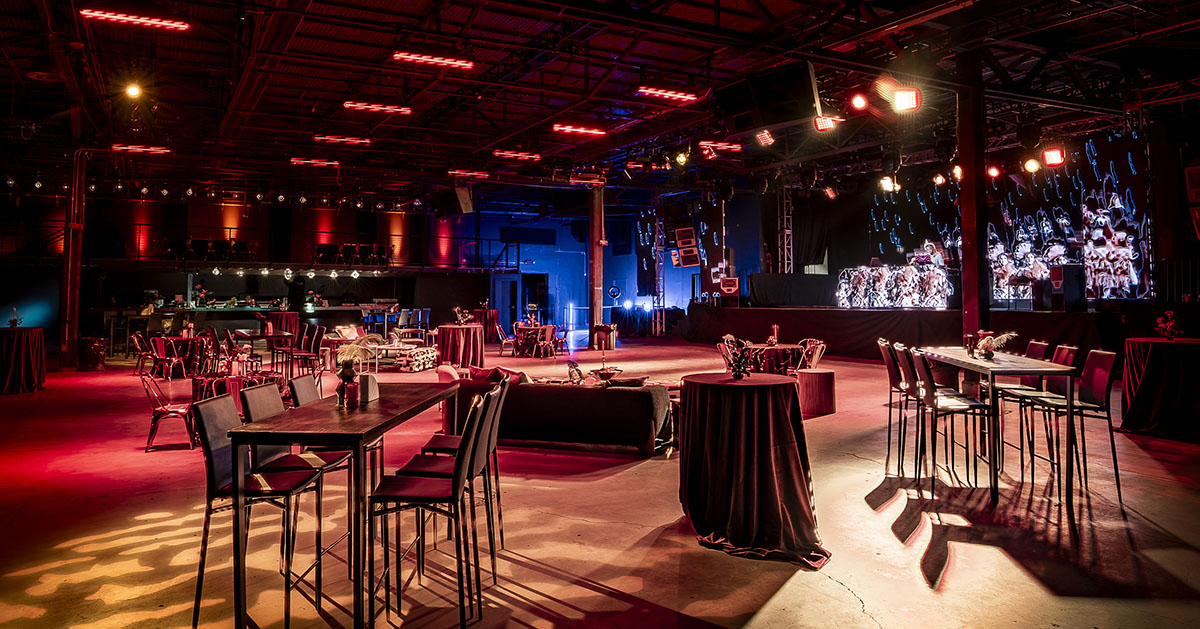
That shift is changing how annual celebrations are designed. Instead of a single room and a fixed program, the strongest events today create environments people can move through. They balance structure with flexibility, and give guests multiple ways to engage throughout the night.
That often includes:
- Multiple environments within one event
- A mix of programmed moments and open interaction
- Interactive elements, entertainment, and creative themes
- Spaces that encourage movement and connection
What This Looks Like in Practice
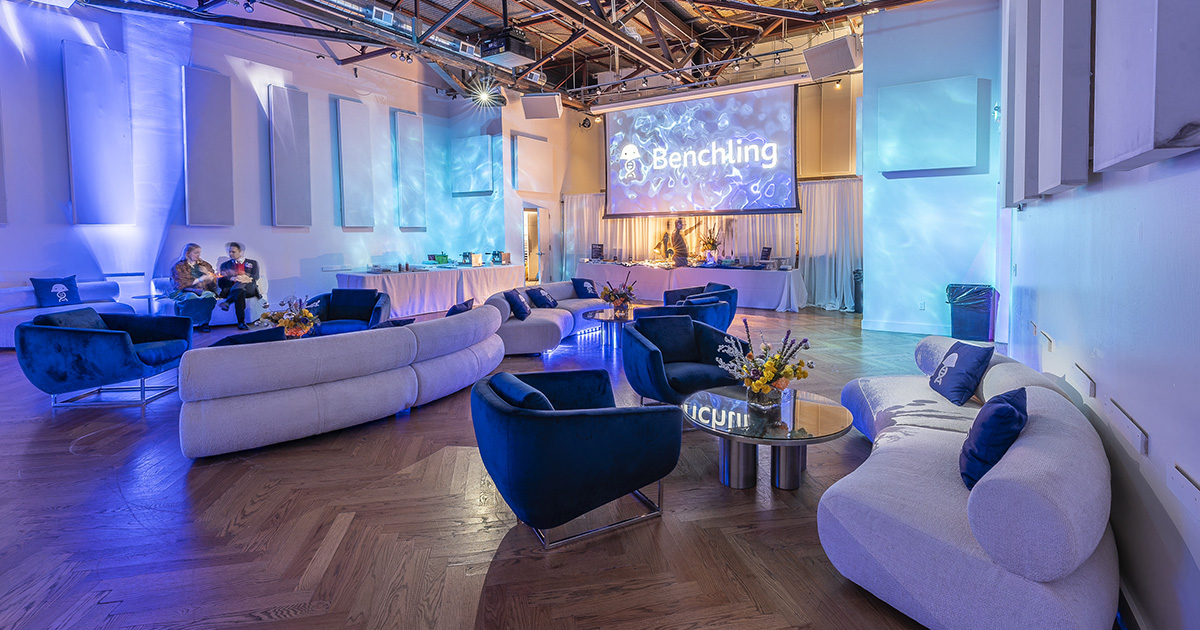
Two recent events at The Midway show how this approach can take very different forms while using the same underlying structure: moving away from a single focal point and toward a series of connected experiences.
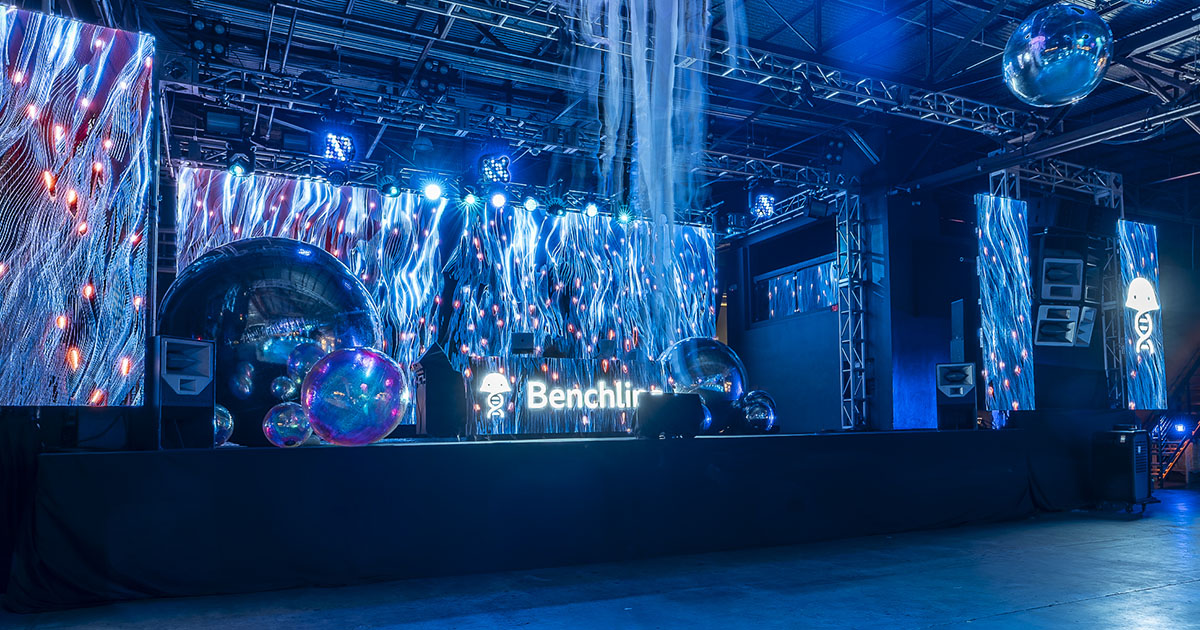
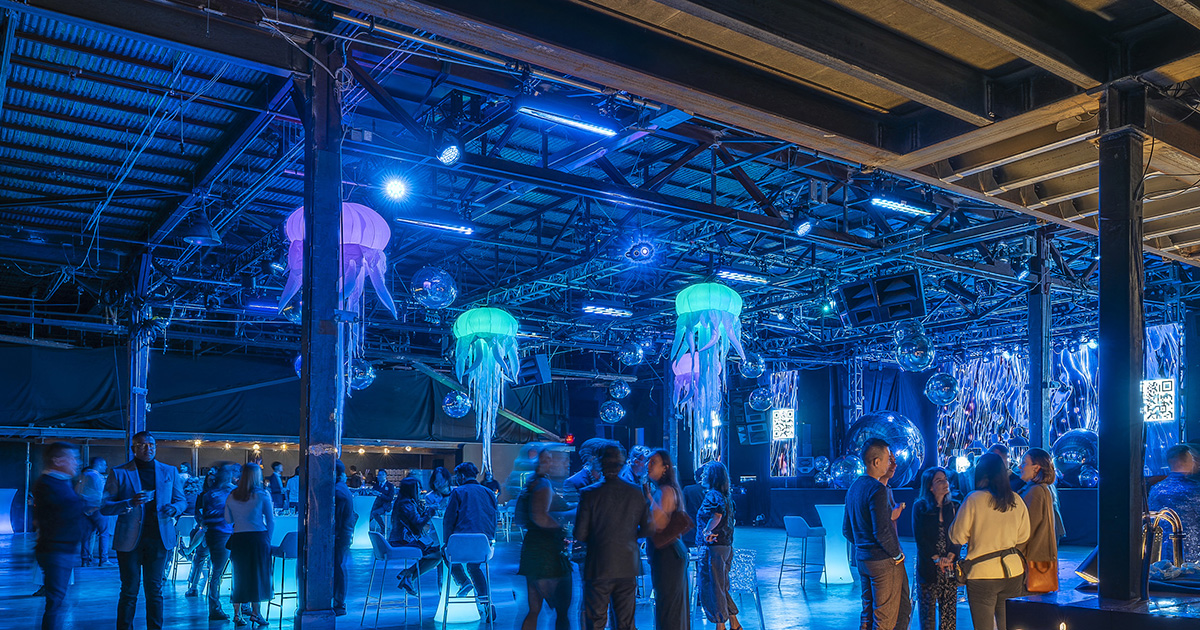
For a biotech software company based in San Francisco, the celebration became a fully immersive, high-energy environment. The space transformed into an underwater, neon-lit world with interactive games and decor. Music, karaoke, and food were integrated into the flow of the night, creating a social, continuous experience from start to finish.
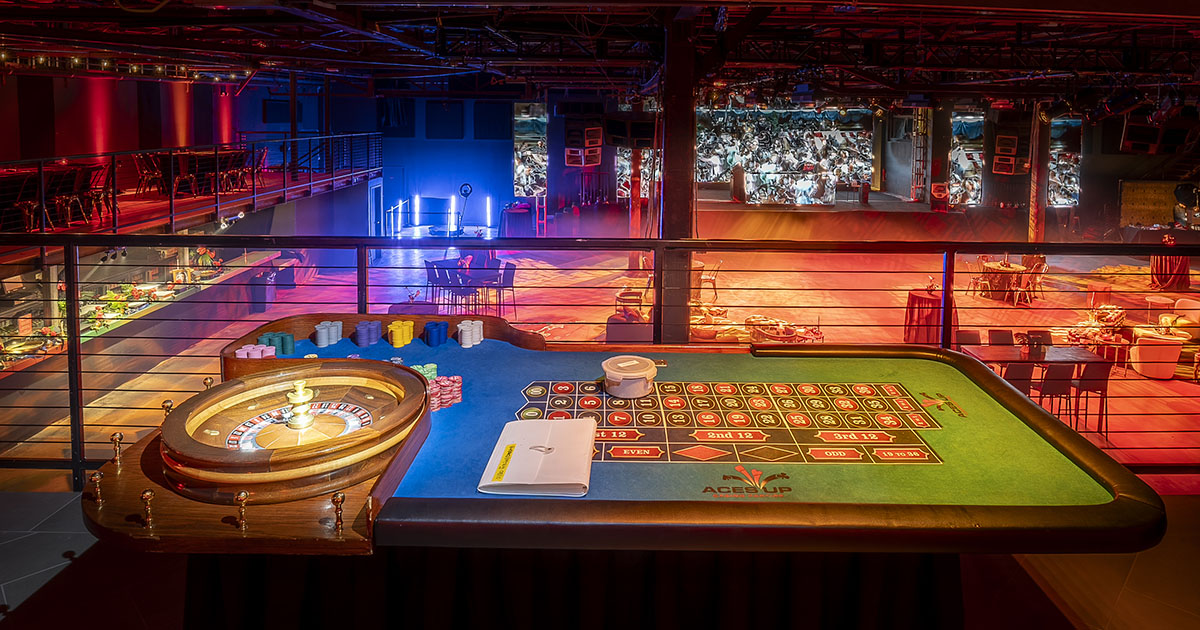
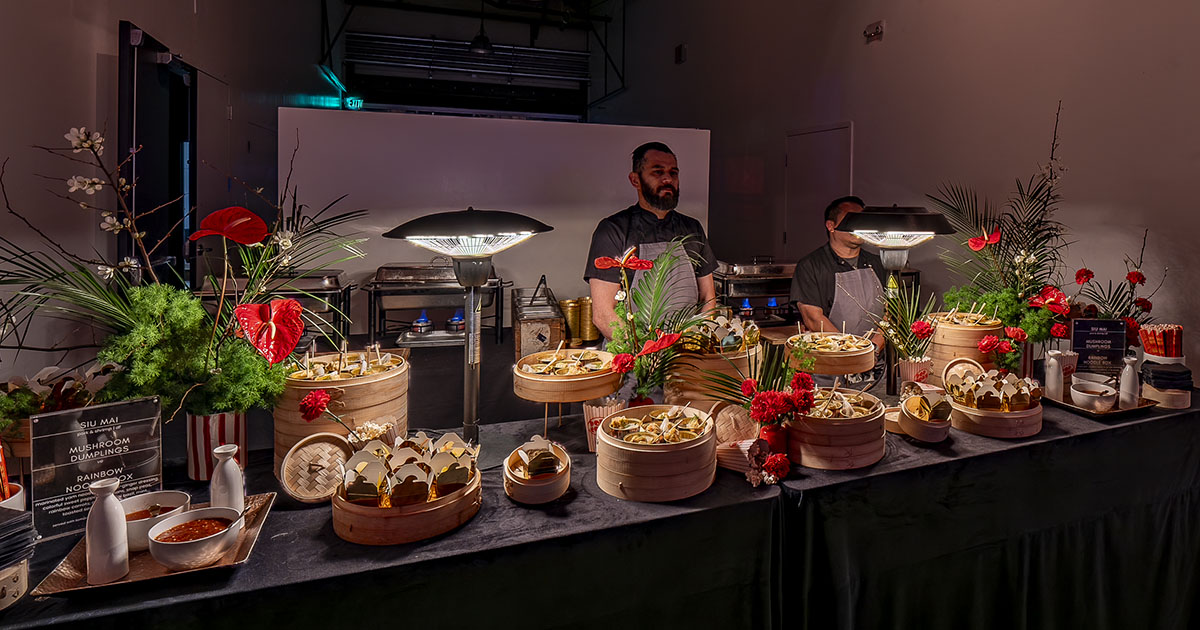
For a global consulting firm, the direction was more elevated but built on the same foundation. A high-end casino-style lounge and dancefloor paired with a dim sum-inspired culinary experience created distinct environments for gaming, dining, and conversation. Guests moved naturally between spaces, creating a steady rhythm throughout the evening.
How to Think About Timing Strategically
Late November / Early December
A strong option for teams that want a festive feel without peak congestion.
Mid to Late December
High energy and tradition, but also the most competitive and schedule-constrained period.
January / February
An increasingly popular choice that offers flexibility, availability, and a more relaxed, engaged audience.
Expanding your timeline creates more options and more control over the experience.
The Venue Matters More Than Ever
- Multiple environments within one experience
- Smooth transitions between programming and social moments
- Built-in production and lighting
- Flexible layouts that adapt to different themes
The right venue allows the event to take shape in a way that feels natural and intentional.
A Better Way to Approach Annual Events
The shift from holiday party to annual celebration reflects a broader change in how companies think about gathering.
It is less about tradition and more about intention.
By expanding the timeline, rethinking the format, and focusing on experience, planners have more opportunity to create something that resonates with their teams.
The goal has not changed. The approach has.
Looking for a San Francisco venue that can deliver on production capabilities?
Explore event spaces at The Midway | View our Event Video Gallery | Contact our event team
Frequently Asked Questions
When should we plan a corporate holiday party?
Many companies still choose December, but expanding into late November, early December, or January and February can improve flexibility and attendance. Exploring different formats and timing options can help create a more engaging experience, especially when working with flexible spaces designed for holiday parties in San Francisco.
Is January or February a good time for a company event?
Yes. Early Q1 often provides better availability, less scheduling pressure, and a more engaged audience compared to the busy December period.
What are alternatives to a traditional holiday party?
Alternatives include annual celebrations, kickoff events, and experience-driven gatherings that focus on interaction and environment rather than formal programming.
How far in advance should we plan a company celebration?
Three to six months is typical for December events. January and February events often allow more flexibility, but earlier planning still leads to better outcomes.
What makes a corporate event more engaging?
Events that focus on atmosphere, flexibility, and interaction tend to drive higher engagement. Multi-space layouts, immersive themes, and social environments all contribute to a stronger experience, especially in venues built for private corporate events in San Francisco.










RELATED CONTENT