
Planning a Fall Corporate Event in San Francisco: What Actually Matters
For planners hosting events in San Francisco, fall is often the most practical and compelling time to consider. September through November brings some of the city’s most reliable weather, a full business and conference calendar, and a level of energy that can make the right event feel especially well timed.
Fall is one of San Francisco’s most useful event seasons
San Francisco’s fall event season works because it combines several advantages at once. The weather opens up—warmer, clearer, and more flexible for event planning. Business travel and conference activity are back in force after summer. Local teams are in planning mode for the end of the year, but the calendar has not yet tipped fully into holiday-event saturation.
For corporate planners, that creates a valuable middle ground. Fall can support everything from leadership meetings and customer events to product launches, offsites, dinners, and larger-format celebrations. It is one of the few times of year when planners can reliably build around both atmosphere and function.
Why fall works especially well for multi-format events
Many corporate events no longer fit neatly into one category. A single program may include thought leadership, networking, dining, media moments, sponsor visibility, internal recognition, or entertainment. In fall, that kind of multi-format structure often works especially well because the season supports movement and variety.
A welcome reception can happen outdoors before guests move inside for presentations. A daytime summit can transition into an evening social event without requiring a venue change. A client event can combine content, hospitality, and product storytelling in a way that feels more dynamic and less rigid.
That flexibility is not just aesthetically useful. It is practical. It gives planners more ways to shape pacing, manage energy, and create moments that feel distinct without overcomplicating the run of show.
In San Francisco, where many corporate audiences are used to polished experiences and high design standards, that kind of flexibility can make the difference between an event that feels merely competent and one that feels well judged.
The strongest fall venues make real use of indoor and outdoor space
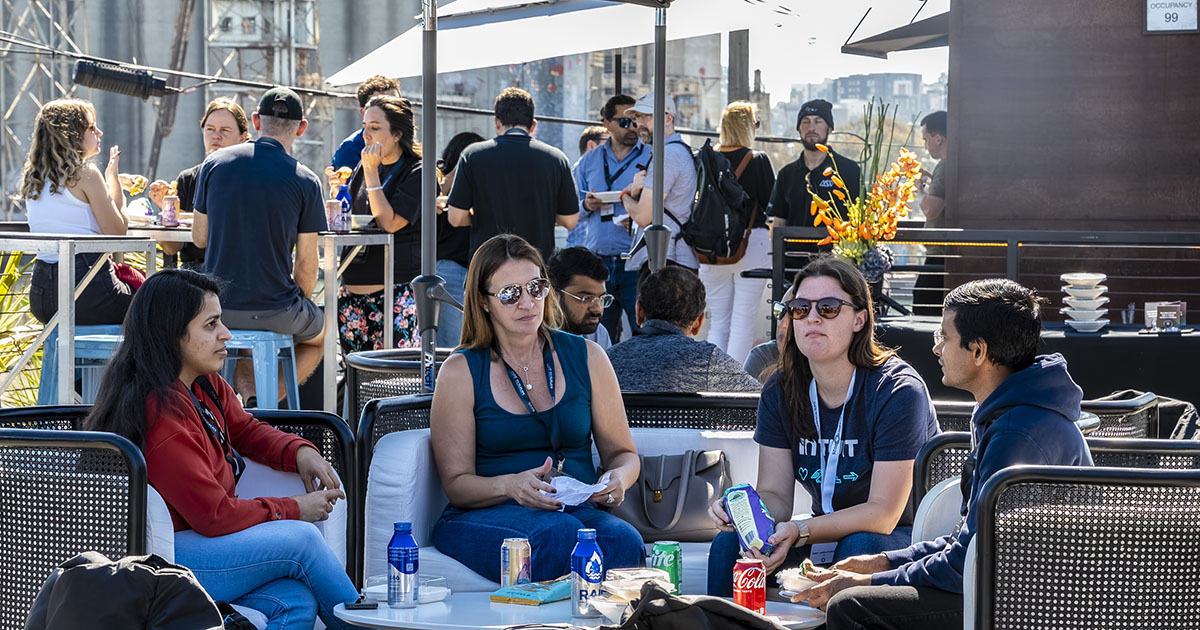
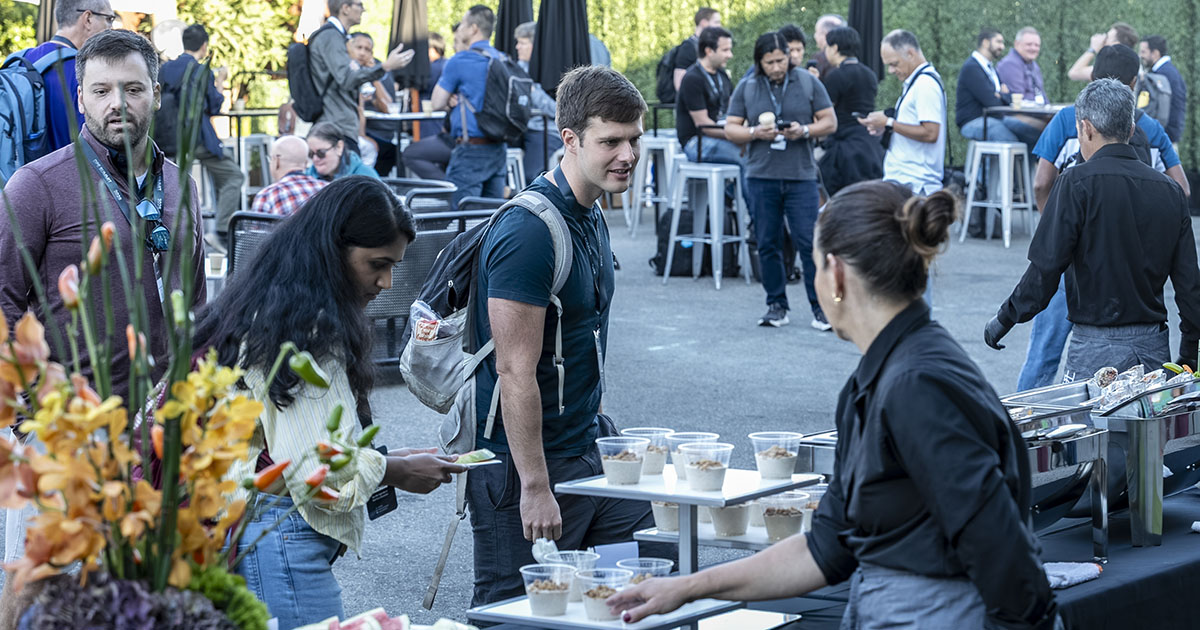
One of the clearest advantages of planning an event in San Francisco during the fall is the ability to think beyond a sealed-off room. When the weather is working in your favor, outdoor space becomes more than a nice extra. It becomes part of the event itself.
That can mean using an outdoor area for arrivals, cocktails, networking, or a change of pace between programmed moments. It can mean giving guests room to move, reset, and socialize in a setting that feels more open and more distinctly San Francisco. It can also mean creating an event with more texture instead of asking a single room to do everything.
But there is a difference between a venue that has outdoor space and one that can actually use it well. In practice, the strongest venues are those that combine flexible interiors like multi-room event spaces with outdoor areas that integrate naturally into the flow of the event. The transition should feel intentional and cohesive.
Conference season changes what guests expect
Fall in San Francisco is also shaped by the city’s broader event calendar. Major conferences, industry gatherings, and corporate travel patterns influence both logistics and guest expectations.
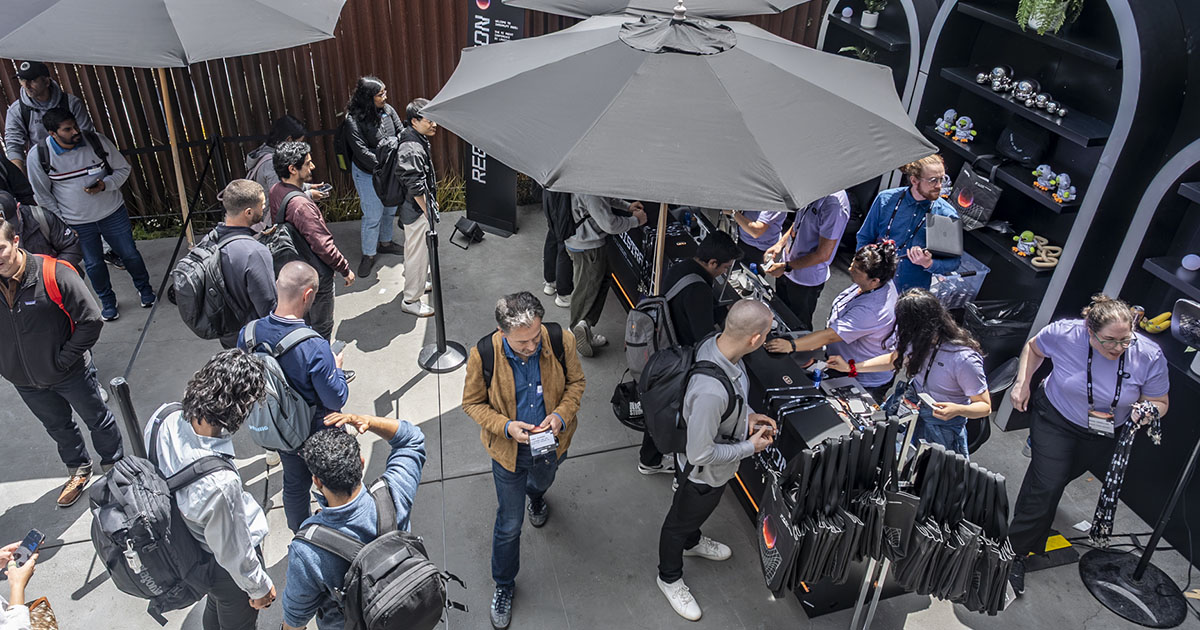
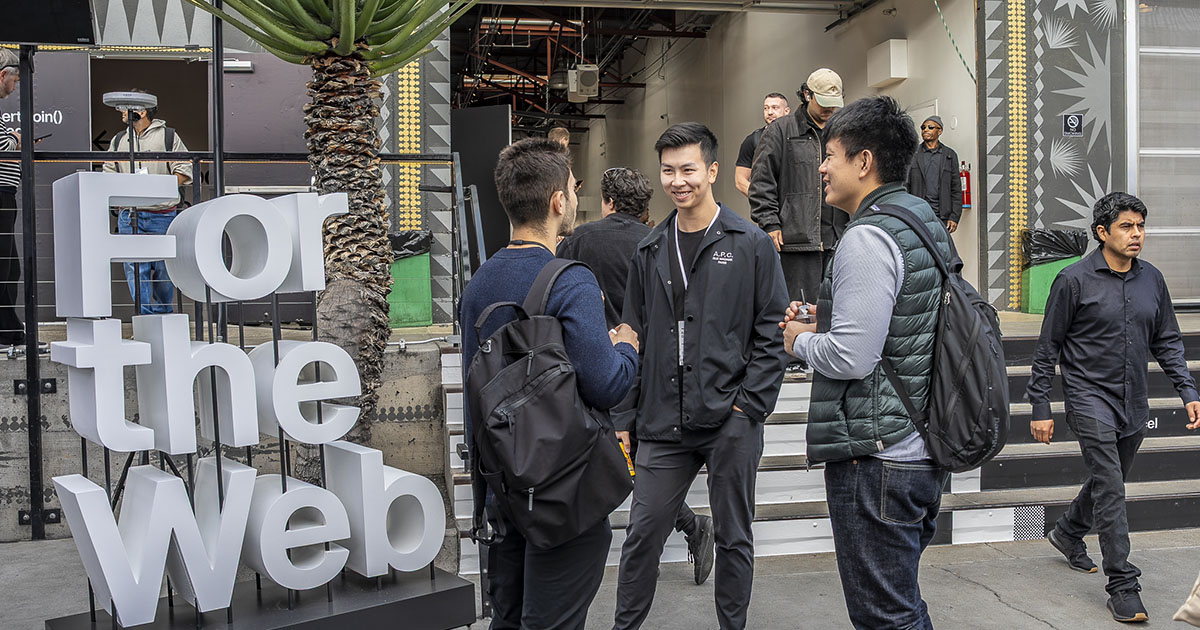
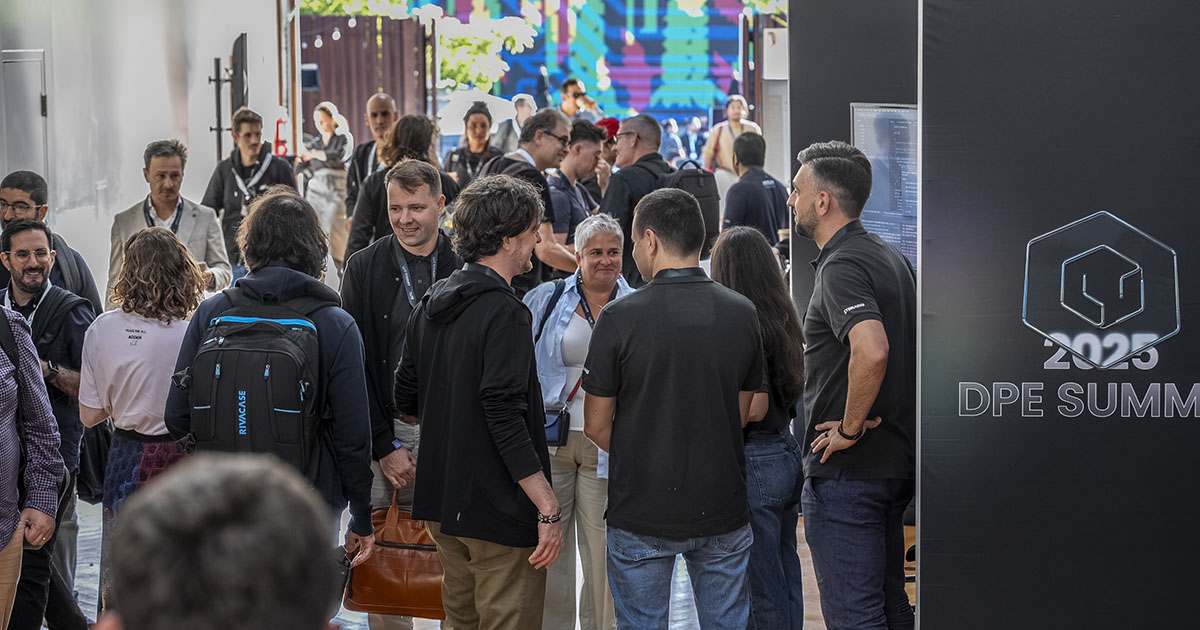
When people are already coming into the city, there is often a stronger case for hosting client events, dinners, receptions, offsites, and side gatherings around that momentum. The timing feels more relevant and the audience is often already in the mindset to connect, learn, and spend time together in person.
In fall, the venue plays a central role in shaping the experience. Guests who have already spent the day in conference halls, hotel meeting rooms, or predictable corporate environments are less responsive to events that feel interchangeable.
For planners, that means choosing a space that supports the tone of the event, the flow of the agenda, and the overall impression the company wants to leave, not just one that is available and appropriately sized. The venue should do more than accommodate the program—it should differentiate it.
What matters most when planning a fall event in San Francisco
Fall events in San Francisco come with more opportunity, but also more competition for strong dates, stronger vendor demand, and less room for average execution.
- Venue selection should go beyond central location. While proximity can be helpful, the space itself needs to feel intentional, distinctive, and operationally sound. A venue that supports the experience will generally outperform one chosen purely for convenience.
- Spatial flexibility is essential. Many fall events move between presentations, networking, food and drink, and more social moments. A venue that can support those shifts without friction allows the event to progress naturally and keeps guests engaged.
- Atmosphere carries more weight. The city is active, expectations are higher, and events tend to be compared more directly. A space that feels considered, well-paced, and aligned with the moment will stand out more than one that simply gets the job done.
What a strong fall event venue should actually offer
For planners comparing options in San Francisco for fall 2026, a few qualities are worth prioritizing.
- A layout that supports multiple event phases without forcing awkward resets
- Indoor and outdoor areas that can work together rather than compete with each other
- Built-in production capability or infrastructure that reduces the need for heavy workarounds
- A setting that feels more considered than a standard ballroom or blank-box rental
- Access and arrival conditions that remain workable during busy citywide weeks
- A setting that can carry the event from daytime programming into evening social time
These factors often matter more than a long list of superficial amenities. In a busy season, the best venue is usually the one that helps the planner reduce friction while improving the guest experience.
Choosing the right venue for a fall 2026 event in San Francisco
If the goal is to host in San Francisco in fall 2026, the question is not simply which venue is available. It is which venue is best equipped to take advantage of the season and the city.
The right choice will depend on the event, but in general, planners should look for a venue that can do more than provide square footage. It should support the format of the event, reflect the level of the audience, and make use of what fall in San Francisco genuinely offers. That usually includes some combination of spatial flexibility, indoor-outdoor potential, strong production readiness, and a setting that feels connected to the city rather than isolated from it.
For many corporate planners, fall is one of the best windows on the calendar. The city is active. Guests are in market. Weather can work in your favor. The opportunity is real. The main decision is whether the venue helps turn those conditions into a stronger event.
Looking for a San Francisco venue that can deliver on production capabilities?
Explore event spaces at The Midway | View our Event Video Gallery | Contact our event team
Frequently Asked Questions About Fall Corporate Events in San Francisco
When is the best time to host a corporate event in San Francisco?
September through November is one of the most effective windows for corporate events in San Francisco. The weather is typically clearer and more consistent, business travel is active, and the city’s event calendar is in full swing without the constraints of peak holiday season.
Why are fall events in San Francisco so popular?
Fall combines strong attendance potential with favorable weather and a high level of business activity. Many companies, clients, and conference attendees are already in the city, making it easier to justify hosting events and driving higher participation.
How far in advance should I book a fall event venue in San Francisco?
For fall events, it is best to secure a venue at least 4–6 months in advance, and earlier for high-demand dates during major conference weeks. Demand for venues and vendors increases significantly during this period.
What should I look for in a fall event venue in San Francisco?
Planners should prioritize venues that offer flexible layouts, strong production capabilities, and the ability to support multiple event formats. Indoor-outdoor flow, ease of access, and a distinctive environment are also key factors during the fall season.
Are outdoor events possible in San Francisco during the fall?
Yes, fall is one of the most reliable times of year to incorporate outdoor elements into an event. Many venues can support patios, open-air lounges, and indoor-outdoor transitions, especially during daytime and early evening hours.
How does conference season impact event planning in San Francisco?
Major conferences bring more attendees into the city, which can increase visibility and attendance for related events. At the same time, they create higher demand for venues, vendors, and accommodations, making early planning essential.
What types of corporate events work well in San Francisco during the fall?
Fall is well suited for conferences, client events, offsites, product launches, and company gatherings. The season supports both structured programming and more social, experiential formats.
How can I make a fall corporate event stand out in San Francisco?
Focus on creating a cohesive experience across multiple moments of the event. This includes selecting a venue that supports movement and variation, incorporating strong design and production elements, and choosing a setting that feels intentional rather than generic.









































RELATED CONTENT