
How to Make an Annual Conference Feel Brand New
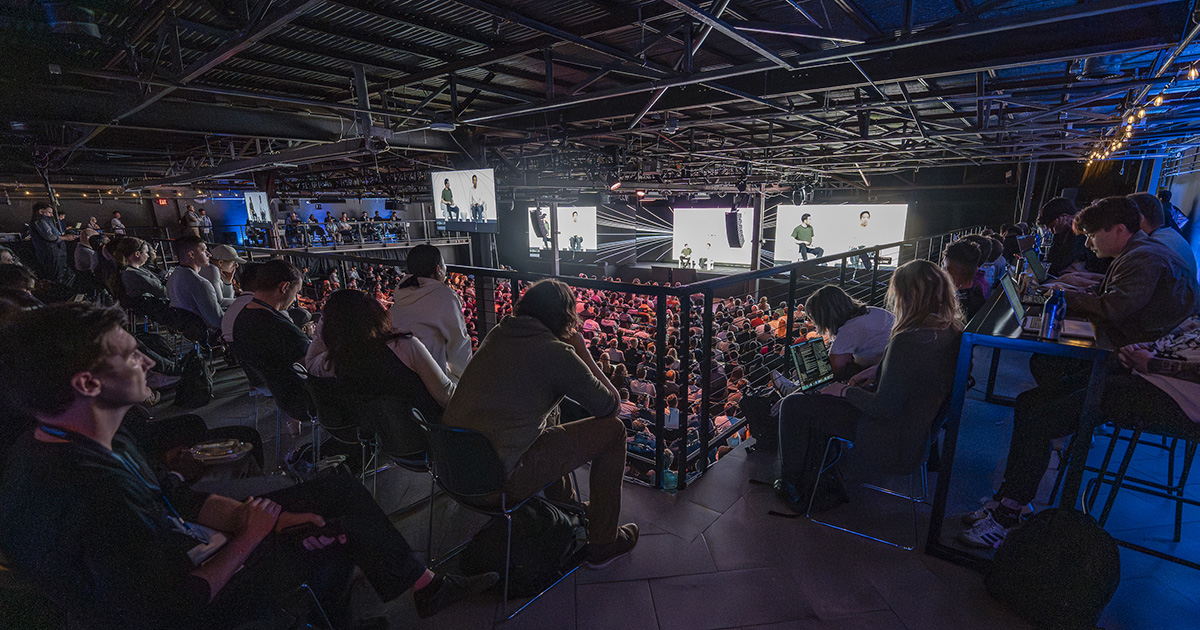
Langchain Interrupt 26 San Francisco event photography by Sam Khedr
How to Make an Annual Conference Feel Brand New
Every conference organizer hopes their event will become an annual tradition. The first year is often focused on proving the concept, attracting attendees, and creating enough momentum to justify doing it again. By the second or third year, however, the conversation changes. Registration begins to grow, sponsors want a larger presence, programming expands, and the community starts to develop expectations based on previous experiences.
That’s when organizers often begin asking whether they’ve outgrown their venue.
It’s an understandable question, but it may not be the right one.
In many cases, the real challenge isn’t finding a different venue. It’s finding a venue capable of supporting a conference as it evolves. The best annual conferences rarely succeed because they’re held in a new location every year. They succeed because they continue giving returning attendees something new to experience while building on the familiarity and community they’ve already established.
Growth Isn’t Measured Only by Attendance
When people talk about conference growth, attendance is usually the first metric that comes to mind. More registrations, more sponsors, and more speakers are all visible signs of success, but they don’t tell the complete story.
A growing conference also needs more places for conversations to happen, more opportunities for networking, and more flexibility in how programming is delivered. Sponsors may want larger activations or dedicated demonstration areas. Workshops might become an important part of the agenda. Evening receptions that once felt optional may become central to the event’s identity.
Growth is ultimately about creating a richer experience for attendees, not simply accommodating more people.
That’s why the most valuable venues are often those that offer flexibility rather than just square footage. A venue with multiple environments, outdoor gathering areas, adaptable production infrastructure, and experienced event teams can evolve alongside a conference without requiring organizers to start over every few years.
Returning Doesn’t Mean Repeating
One of the biggest misconceptions in conference planning is that returning to the same venue inevitably leads to a predictable experience.
Attendees don’t arrive thinking about the dimensions of a ballroom or whether registration is in the same location it was last year. They remember how the conference made them feel. They remember unexpected conversations, memorable keynote sessions, creative sponsor activations, and the moments that couldn’t have happened anywhere else.
Those experiences can change dramatically even when the venue remains the same.
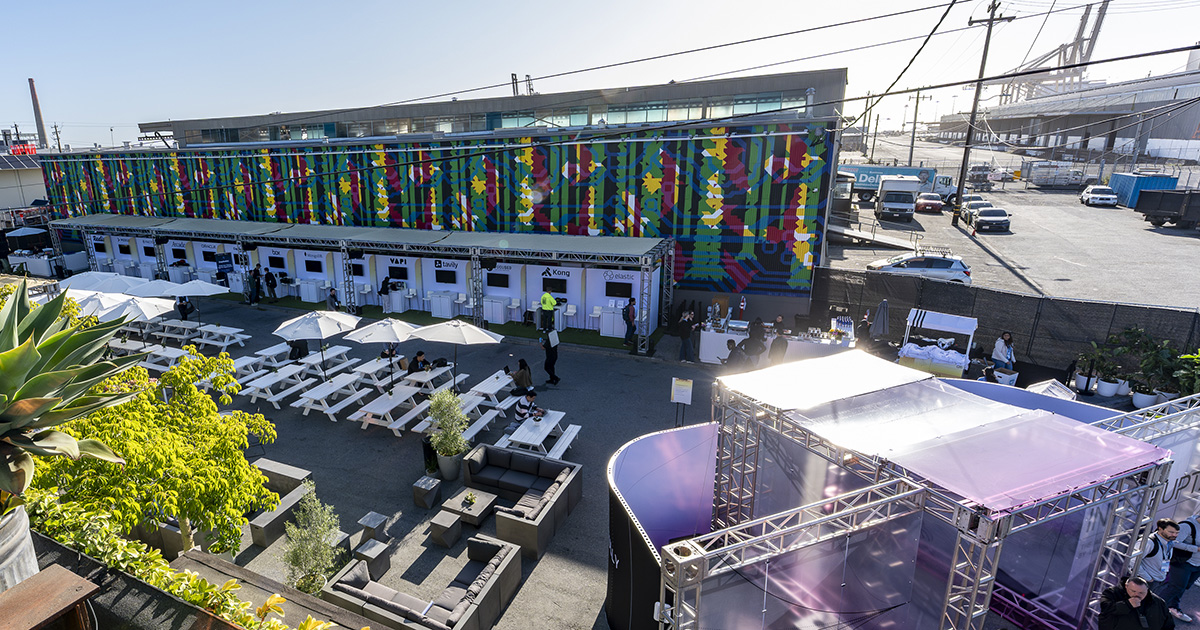
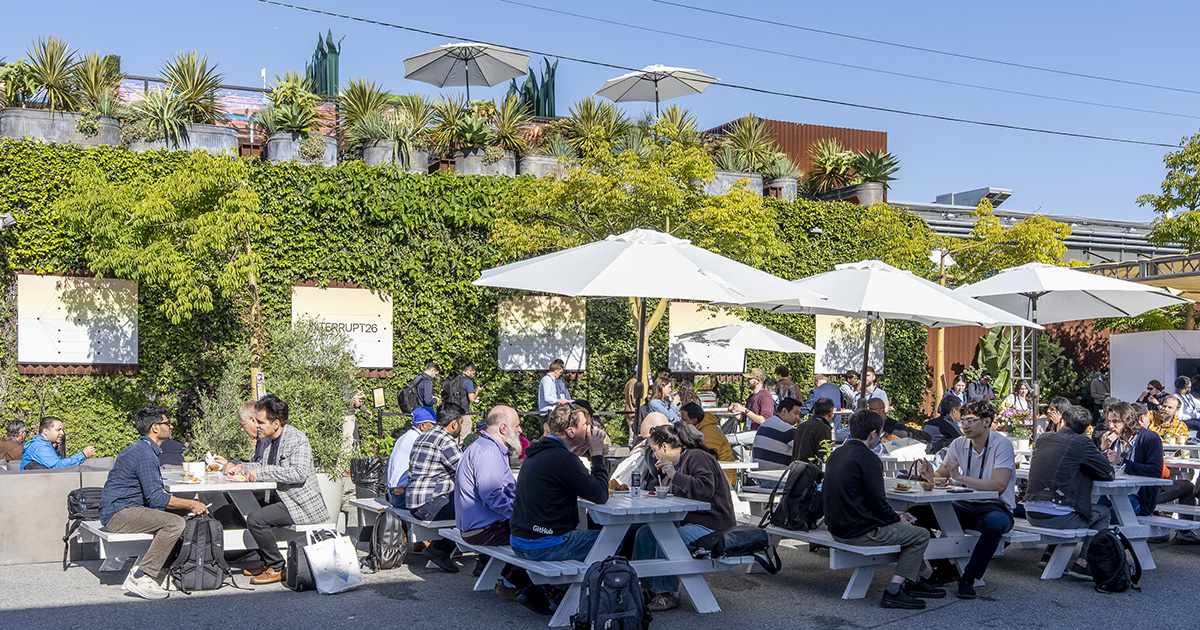
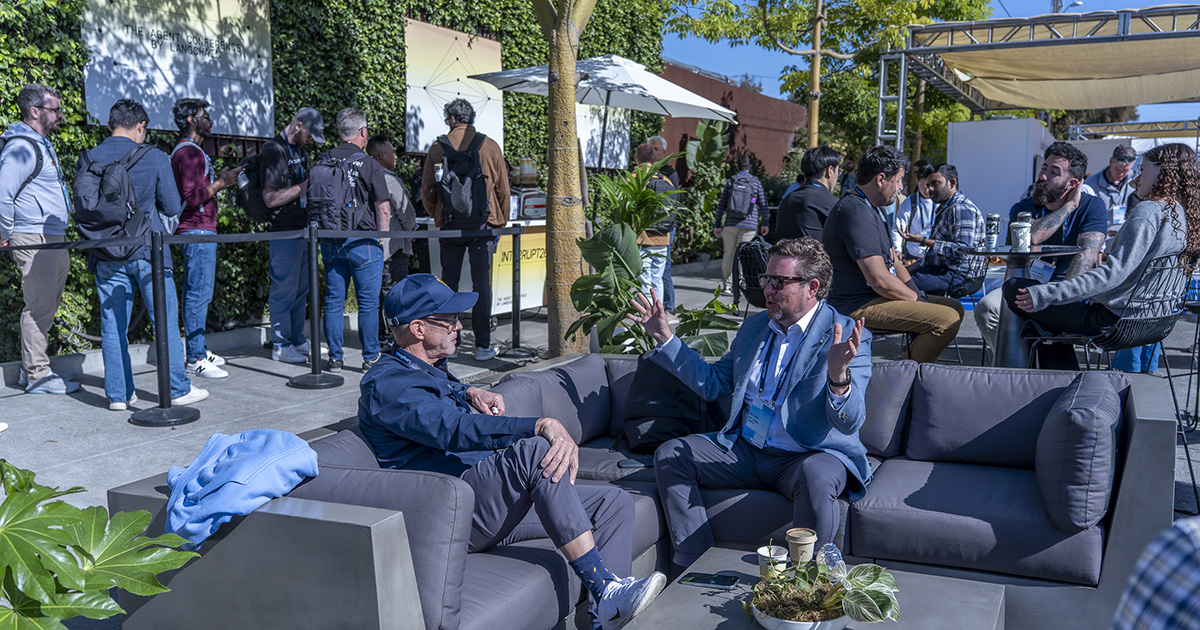
Registration may move outdoors to create a more welcoming arrival. A courtyard that previously served as a break area might become a sponsor village. Networking can expand into multiple environments throughout the day, while breakout sessions, hospitality, and evening programming evolve to reflect the conference’s growing community.
The address remains the same, but the attendee journey becomes something entirely new.
Designing for the Conference You Hope to Become
One question we’ve started asking is whether planners should evaluate venues based on today’s needs or tomorrow’s ambitions.
Most venue tours focus on current capacity. How many people can fit in the room? How many breakout spaces are available? Where does catering operate?
Those are important questions, but they don’t necessarily help organizers choose a venue that will support the next five years of their conference.
A more useful concept is what we call Growth Capacity.
Growth Capacity is a venue’s ability to evolve alongside an event without requiring the conference to abandon the identity and community it has already built. It considers whether organizers can introduce new programming, expand networking opportunities, redesign attendee flow, increase production value, and create new experiences as the conference matures.
A venue doesn’t simply need enough room for next year’s event. It should have enough flexibility to support the conference your team hopes to build over the next decade.
The Best Venue Partners Grow Too
Growth isn’t measured only by physical space. It also happens behind the scenes.
As conferences return to the same venue, the relationship between the organizer and the venue team becomes more valuable each year. Production crews understand the technical requirements. Operations teams know where challenges emerged previously. Culinary teams become familiar with attendee preferences and event schedules. Creative teams can spend less time solving logistical problems and more time exploring new ideas.
Instead of rebuilding every aspect of the event, organizers are free to refine it.
That continuity often becomes one of the biggest competitive advantages an annual conference can have.
When Growth Looks Like Experience
Some of the most successful technology conferences illustrate this idea particularly well.
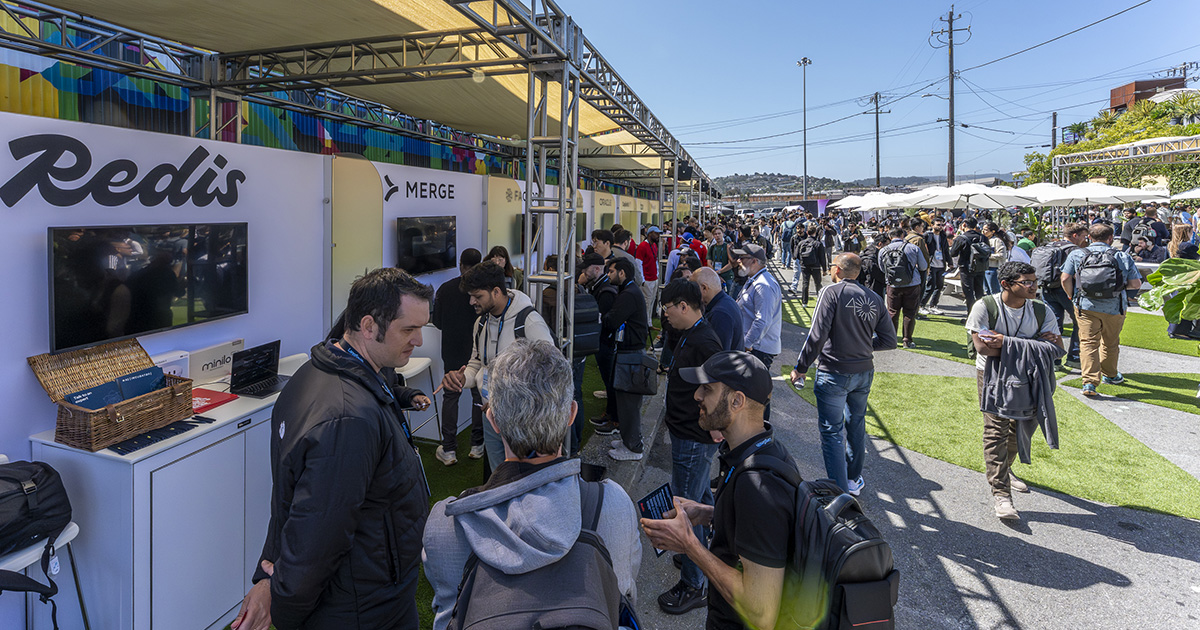
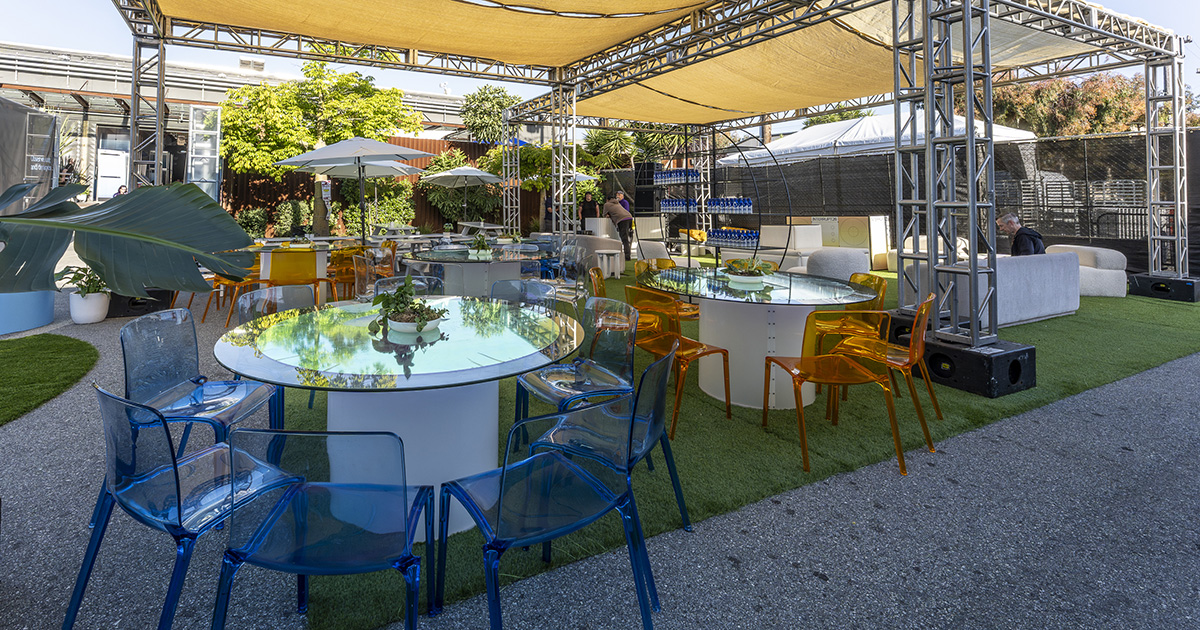
Rather than relocating as attendance increases, they continue expanding the experience itself. New networking environments are introduced, sponsor activations become more immersive, programming extends into additional spaces, and outdoor areas become active parts of the attendee journey rather than simply overflow space.
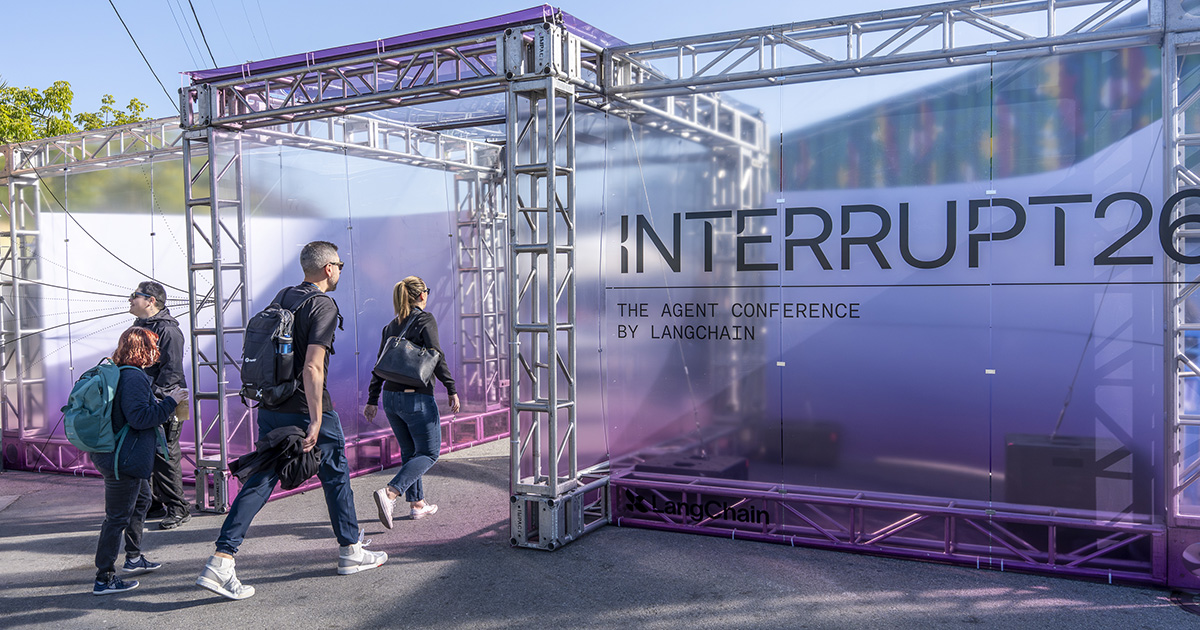
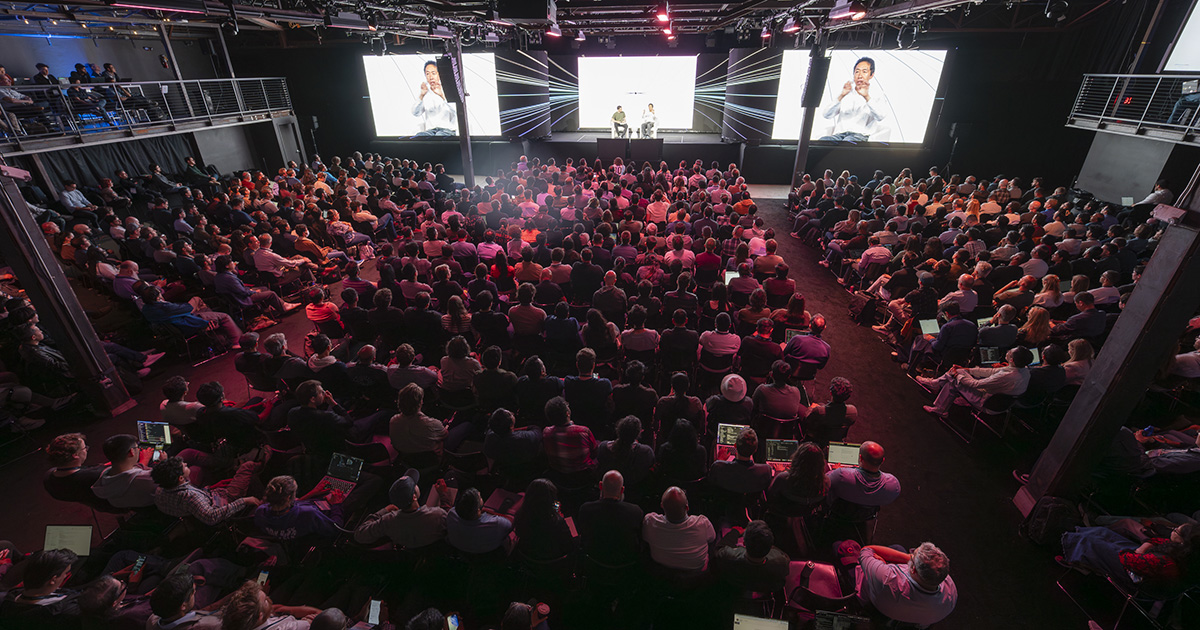
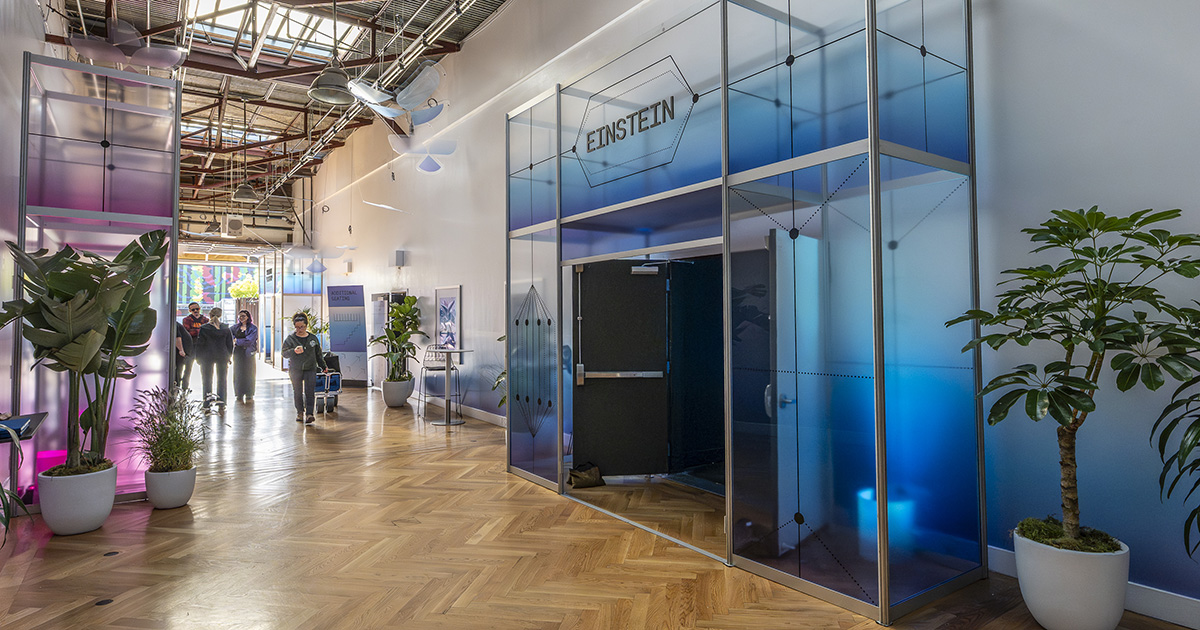
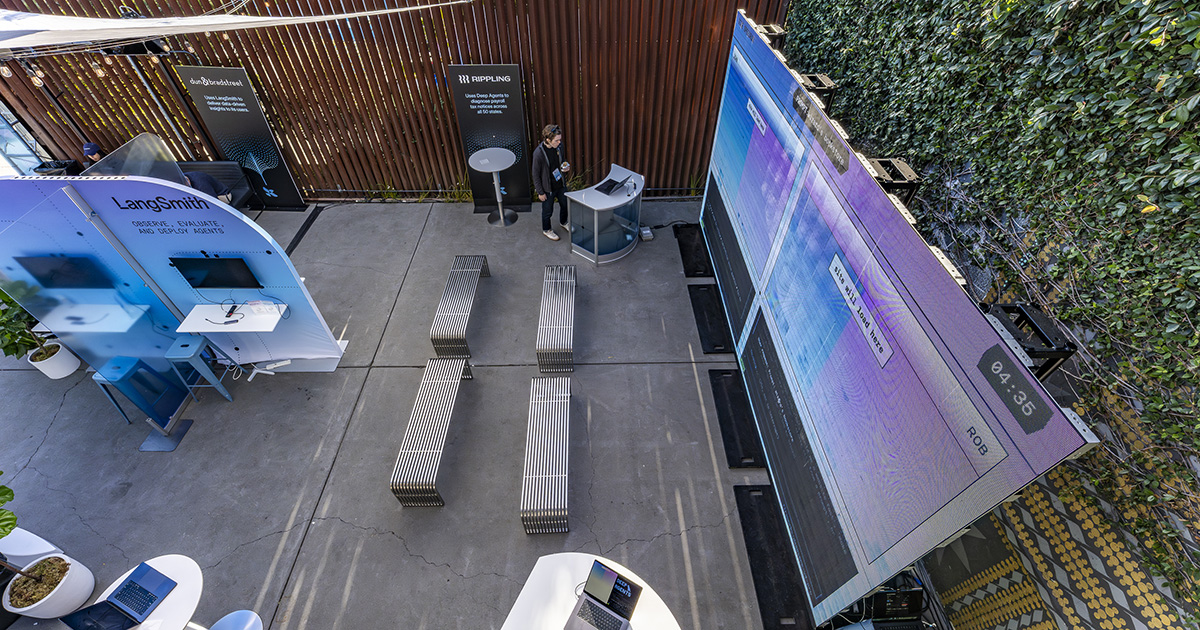
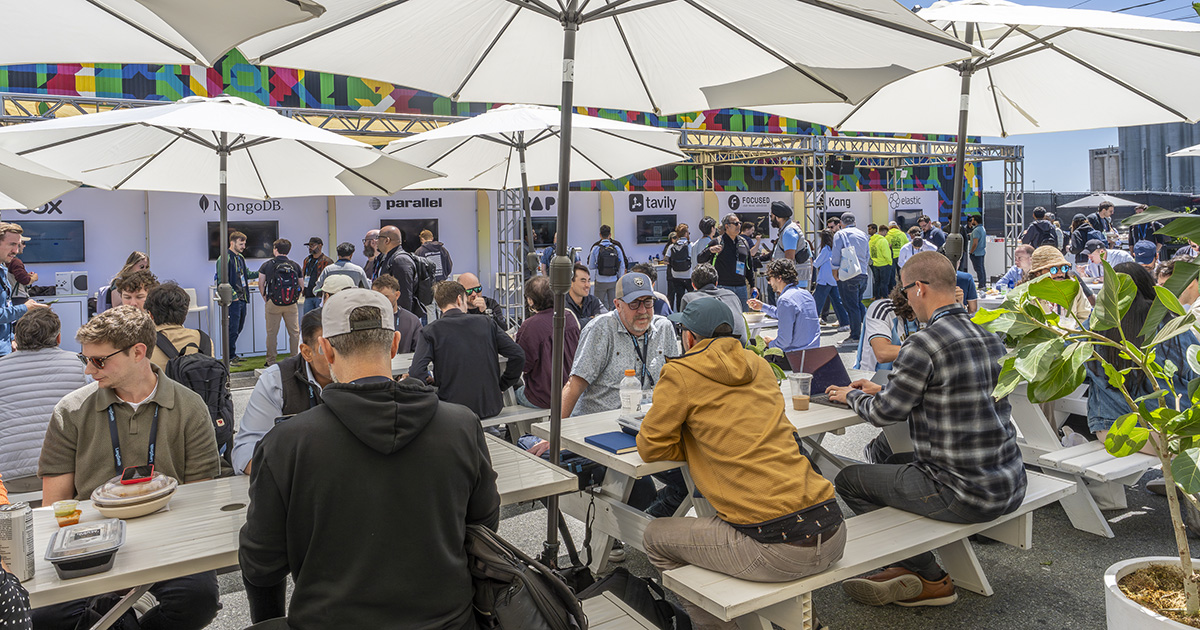
LangChain Interrupt’s return to The Midway is a strong example of this approach. After establishing a successful inaugural conference, the event returned with an expanded campus experience that included a permitted street closure, redesigned attendee flow, and additional opportunities for networking and community engagement. The venue was familiar, but the experience felt distinctly new because the conference had evolved alongside its audience.
This philosophy is becoming increasingly common among growing technology conferences because it allows organizers to invest their energy in improving the attendee experience rather than rebuilding operational infrastructure every year.
It also connects to a broader shift in conference design, where planners are increasingly thinking beyond rooms and toward connected environments. We explore that idea further in Why Technology Companies Are Choosing Campus-Style Venues and Why Every Conference Needs a Third Space.
The Growth Capacity Checklist
As you evaluate venues for an annual conference, it may be helpful to look beyond capacity charts and floor plans. Consider whether the venue can support the event you’re planning to create several years from now, not just the one you’re producing today.
Can the venue grow with your conference?
- Can we double attendance without relocating?
- Can sponsor activations expand as partnerships grow?
- Can networking evolve into multiple indoor and outdoor environments?
- Can we introduce new experiences each year without changing venues?
- Can breakout programming grow alongside the main conference?
- Can arrival, registration, and attendee flow be redesigned as the event matures?
- Can the venue support more ambitious production, staging, and branding?
- Can returning attendees have a noticeably different experience next year?
- Does the venue team understand our long-term vision and help us build toward it?
If the answer to most of these questions is yes, you’re not simply choosing a venue. You’re choosing a long-term partner capable of supporting your conference as it grows.
Looking Beyond Next Year
The most successful annual conferences aren’t defined by how often they change venues. They’re defined by how effectively they continue surprising, engaging, and connecting their communities.
That kind of evolution rarely happens by accident. It happens when organizers have the confidence to think beyond logistics and focus on designing better experiences year after year.
Choosing a venue is ultimately about much more than finding enough space for the next event. It’s about finding an environment, and a team, that can continue unlocking new possibilities as your conference becomes larger, more ambitious, and more influential.
In that sense, the best venues don’t simply host annual conferences. They help them become institutions.
To explore how The Midway supports conferences, summits, product launches, and large-scale technology gatherings, visit our San Francisco event spaces page or learn more about our AI event space in San Francisco.
Looking for a San Francisco venue that can deliver on production capabilities?
Explore event spaces at The Midway | View our Event Video Gallery | Contact our event team
























































RELATED CONTENT