Why Global AI Leaders Continue to Meet in San Francisco
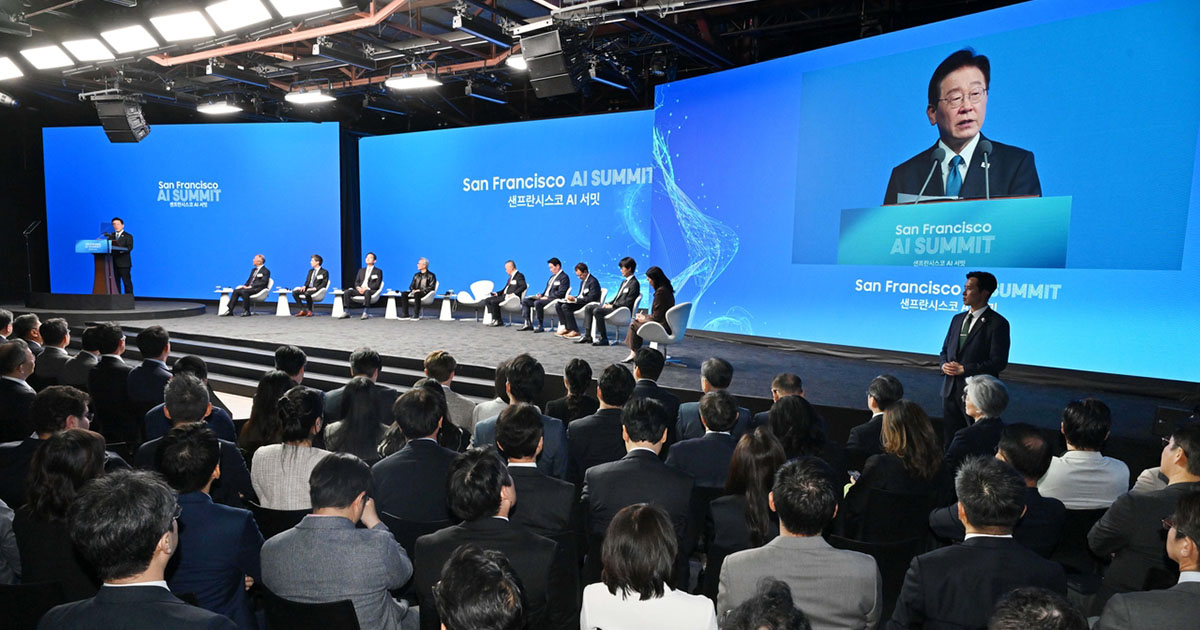
Republic of Korea AI Summit in San Francisco, The Midway

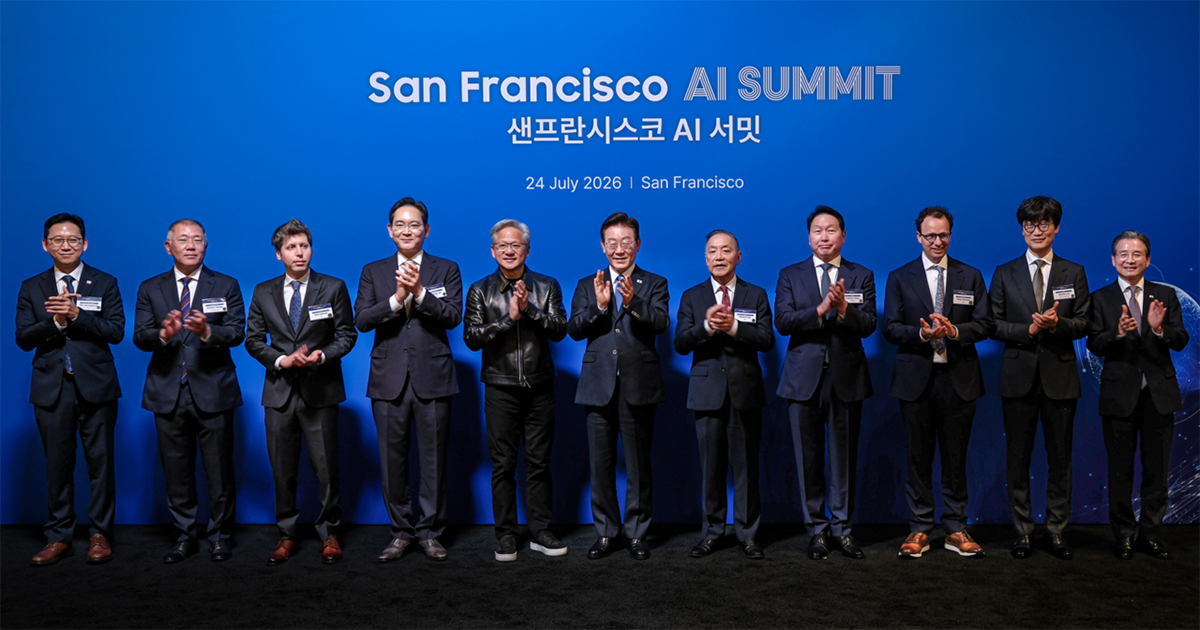
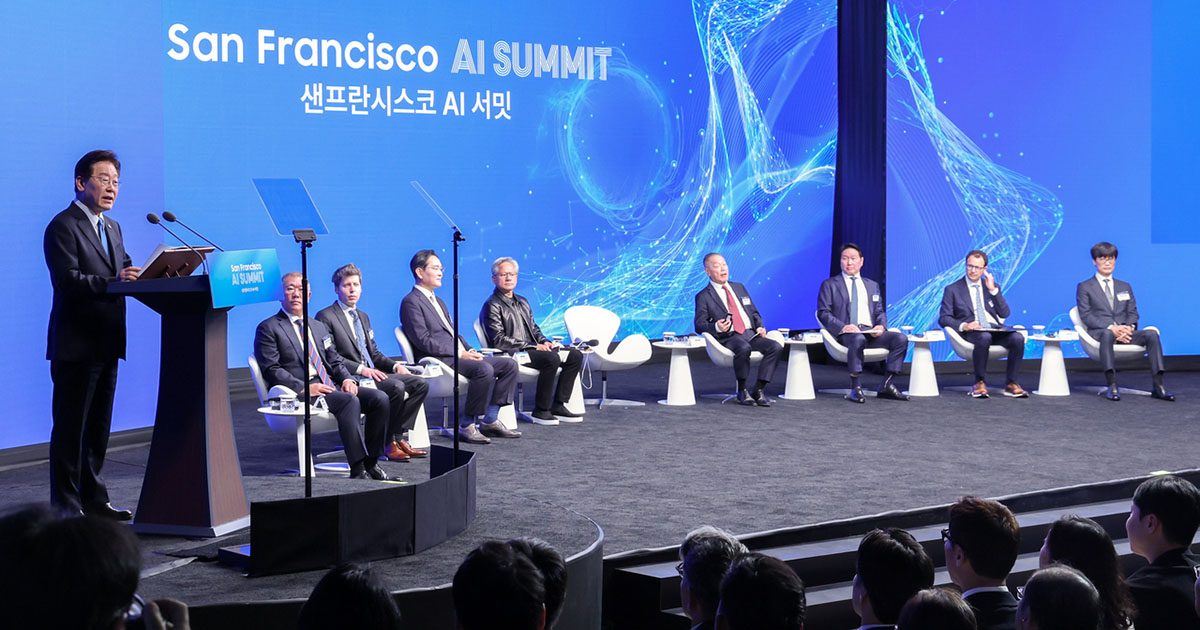
The Korea AI Summit in San Francisco brought together South Korean President Lee Jae Myung and leaders from NVIDIA, OpenAI, Anthropic, Broadcom, Samsung Electronics, SK Group, Hyundai Motor Group, NAVER, and Stanford University at The Midway, highlighting San Francisco’s continued role at the center of the global AI ecosystem.

Artificial intelligence may be developed through models, chips, data centers, research, and software, but its future is also shaped through conversations. Governments, technology companies, infrastructure providers, researchers, and industry leaders increasingly need opportunities to gather in person, compare priorities, establish partnerships, and consider how AI will affect economies around the world.

That was on display at the recent Korea AI Summit in San Francisco.

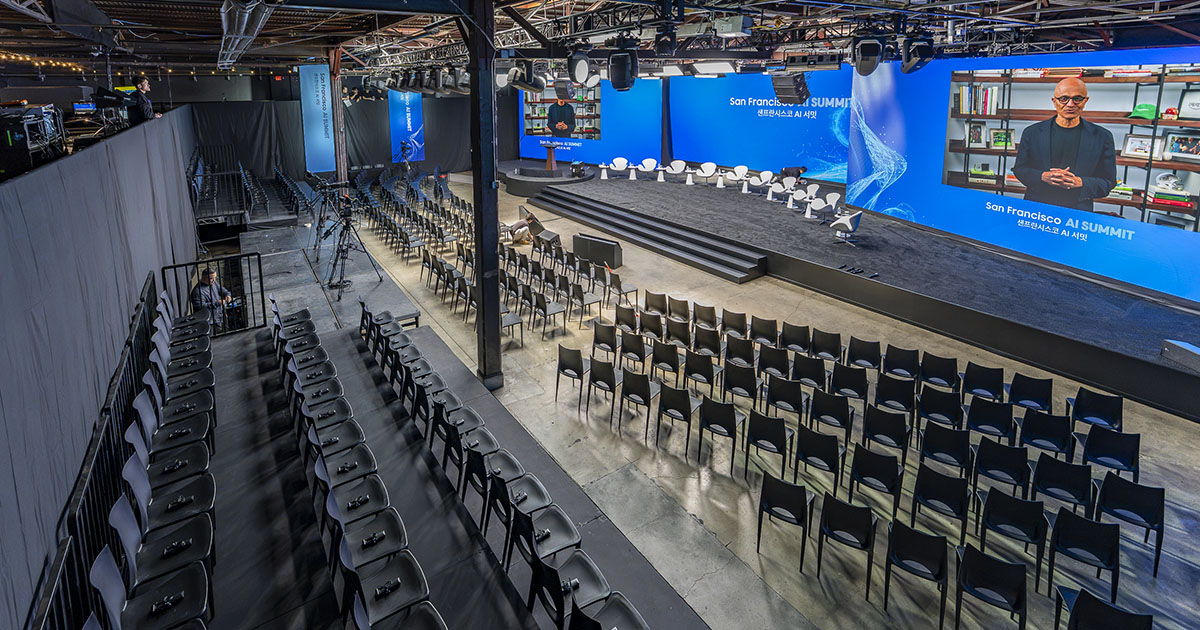
Led by South Korean President Lee Jae Myung during his visit to the United States, the summit convened many of the people influencing the next phase of artificial intelligence. The gathering took place at The Midway in San Francisco’s Dogpatch neighborhood, bringing global technology and industrial leaders together for a discussion that extended from advanced semiconductors and computing infrastructure to education, public services, manufacturing, and international cooperation.

Watch: Korea AI Summit at The Midway

Watch highlights from the Korea AI Summit at The Midway, where South Korean President Lee Jae Myung joined leaders from NVIDIA, OpenAI, Anthropic, Broadcom, Samsung Electronics, SK Group, Hyundai Motor Group, and NAVER for a discussion on the future of artificial intelligence.

An International Conversation About the Future of AI

The Korea AI Summit reflected how quickly artificial intelligence has expanded beyond the technology sector. AI is now a central consideration for national governments, manufacturers, energy providers, universities, financial institutions, healthcare organizations, and companies across nearly every major industry.

President Lee presented South Korea’s vision for becoming one of the leading forces in the global AI economy. His remarks addressed investment in AI semiconductors, hyperscale data centers, physical AI, education, and public services designed to make the benefits of artificial intelligence more widely available.

The discussion also demonstrated the range of organizations required to build modern AI systems. NVIDIA founder and CEO Jensen Huang spoke about the longstanding relationship between NVIDIA and South Korea’s technology industry, including the importance of the country’s memory-chip innovations to the development of today’s AI supercomputers.

OpenAI CEO Sam Altman, Anthropic CEO Dario Amodei, and Broadcom President and CEO Hock Tan joined leaders from Samsung Electronics, SK Group, Hyundai Motor Group, and NAVER in a conversation spanning the entire AI stack, from semiconductors and infrastructure to foundational models, industrial applications, and talent.

In its coverage of the summit, NVIDIA wrote that “the sheer gravity of the global AI boom was displayed Friday on stage at The Midway.”

Read NVIDIA’s coverage of the Korea AI Summit.

Who’s Who at the Korea AI Summit

The summit brought together government officials and leaders from many of the organizations shaping today’s AI ecosystem.

President Lee Jae Myung
President of the Republic of Korea
Jensen Huang
Founder & CEO, NVIDIA
Sam Altman
CEO, OpenAI
Dario Amodei
Co-Founder & CEO, Anthropic
Hock Tan
President & CEO, Broadcom
Jay Y. Lee
Executive Chairman, Samsung Electronics
Chey Tae-won
Chairman, SK Group
Euisun Chung
Executive Chair, Hyundai Motor Group
Hae-jin Lee
Founder, NAVER
Soh Kim
Stanford University, Moderator

AI Innovation Depends on the Full Technology Stack

One of the clearest themes to emerge from the summit was that no single company, industry, or country can build the future of artificial intelligence independently.

Modern AI depends on an interconnected system of semiconductor design, memory, networking, data-center infrastructure, energy, cloud computing, foundational models, software, research, manufacturing, and highly skilled people. Progress at one layer of the stack creates new opportunities and new demands across the others.

South Korea occupies an important position within that system. Its semiconductor manufacturers, electronics companies, industrial groups, automakers, digital platforms, and research institutions contribute to technologies used throughout the global AI economy.

The presence of NVIDIA, OpenAI, Anthropic, Broadcom, Samsung Electronics, SK Group, Hyundai Motor Group, and NAVER on the same stage made that interdependence visible. The organizations represented at the summit develop different parts of the AI ecosystem, but their work increasingly overlaps.

Gatherings like this create space for leaders to consider not only what their organizations can build, but what can be achieved through deeper collaboration among governments, infrastructure companies, model developers, manufacturers, researchers, and enterprise organizations.

Why Global AI Conversations Continue to Happen in San Francisco

Although artificial intelligence is being developed around the world, San Francisco remains one of the industry’s most important gathering places.

The city and surrounding Bay Area bring together AI research labs, cloud and infrastructure companies, semiconductor leaders, universities, venture capital firms, startup founders, enterprise customers, and experienced technical talent within a relatively concentrated region.

OpenAI and Anthropic have established major operations in San Francisco. The wider Bay Area is also home to organizations working across model development, data infrastructure, robotics, life sciences, enterprise software, autonomous technology, and other fields being transformed by AI.

That concentration makes the region a natural destination for international delegations, executive summits, developer conferences, product launches, research gatherings, investor meetings, and community events. Leaders visiting San Francisco can meet with multiple partners, customers, researchers, founders, and policymakers during a single trip.

The city’s importance is not limited to the companies headquartered here. It also comes from the frequency with which people from different parts of the global technology ecosystem pass through the region and gather around shared questions.

As AI continues to move quickly, face-to-face collaboration provides something that virtual communication cannot always replicate: focused time for complex discussions, unplanned introductions, private executive conversations, and the trust-building required to move significant partnerships forward.

Republic of Korea AI Summit in San Francisco, The Midway

The Midway’s Growing Role in San Francisco’s AI Community

Over the past several years, The Midway has become a gathering place for organizations and communities working across artificial intelligence, enterprise technology, data infrastructure, software development, and the creative industries.

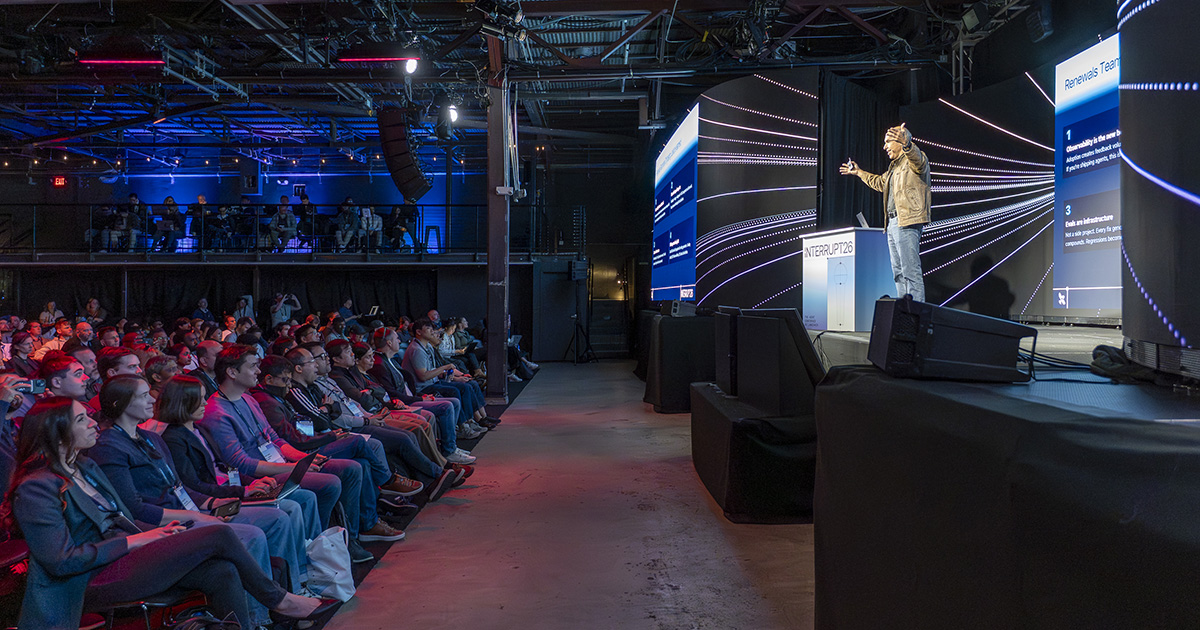
The venue has hosted developer conferences, executive summits, product launches, founder events, community gatherings, workshops, networking programs, and large-scale technology conferences. Recent examples include LangChain Interrupt, MongoDB.local San Francisco, Upscale Conf, AI Native, Vercel Ship AI, and the Korea AI Summit.

Each gathering has served a different audience and purpose. Some have centered on technical education and product development. Others have brought together founders, designers, filmmakers, researchers, customers, investors, or senior executives. What they share is the need to create meaningful interaction between people who are helping shape rapidly evolving industries.

The Midway’s location in Dogpatch places it near Mission Bay, UCSF, growing technology and life-science communities, and organizations operating throughout San Francisco’s AI ecosystem. Its interconnected indoor and outdoor event spaces also allow organizers to build programs that extend beyond a single stage or presentation room.

Keynotes can take place alongside executive hospitality, sponsor environments, breakout conversations, dining, media activity, product demonstrations, and informal networking. That flexibility is especially valuable for AI events, where attendees may include technical practitioners, founders, investors, enterprise leaders, government representatives, researchers, and members of the media.

Learn more about hosting AI conferences and technology events at The Midway.

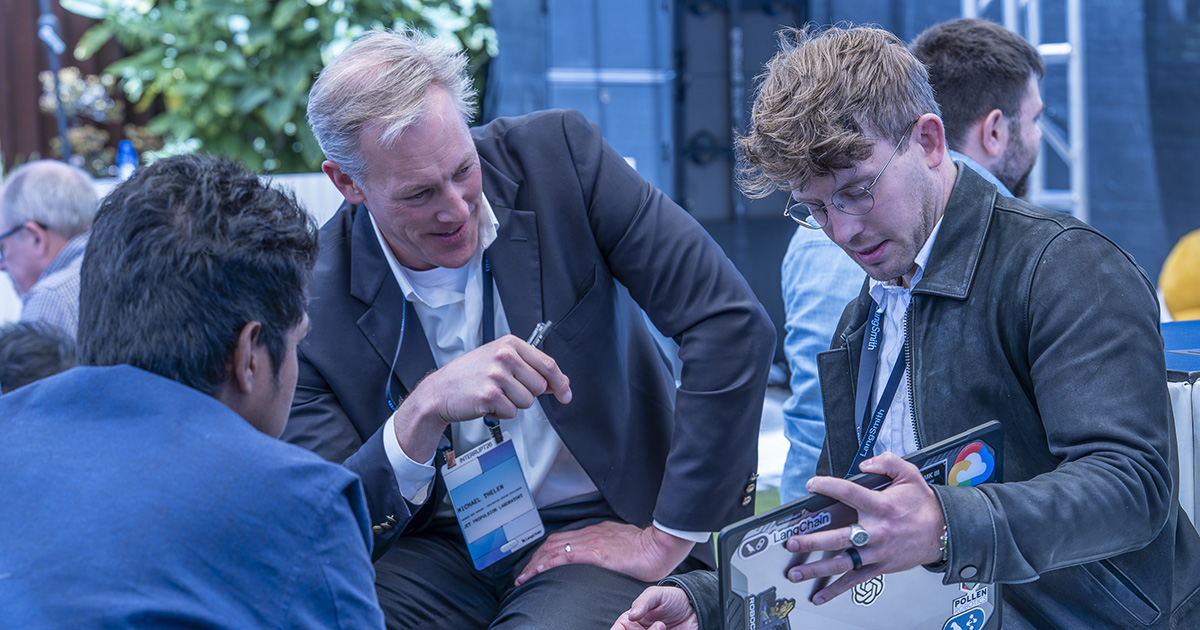
Langchain Interrupt The Agent Conference at The Midway San Francisco

What the Korea AI Summit Shows Event Organizers

The significance of the Korea AI Summit came from the people and ideas it brought together. From an event-planning perspective, it also illustrates how high-level technology gatherings are changing.

Today’s most consequential AI events often serve several purposes at once. They may include public discussions, private meetings, press activity, executive hospitality, policy conversations, partnership announcements, networking, and opportunities for different stakeholder groups to connect away from the main stage.

Different audiences need different environments

An international AI summit may bring together heads of state, company founders, senior executives, researchers, technical specialists, government representatives, investors, employees, media, and invited guests. These groups do not always experience an event in the same way.

The most effective programs provide a clear central gathering point while also creating environments for smaller conversations, private meetings, hospitality, dining, media interviews, and informal interaction.

Security and guest movement must be considered early

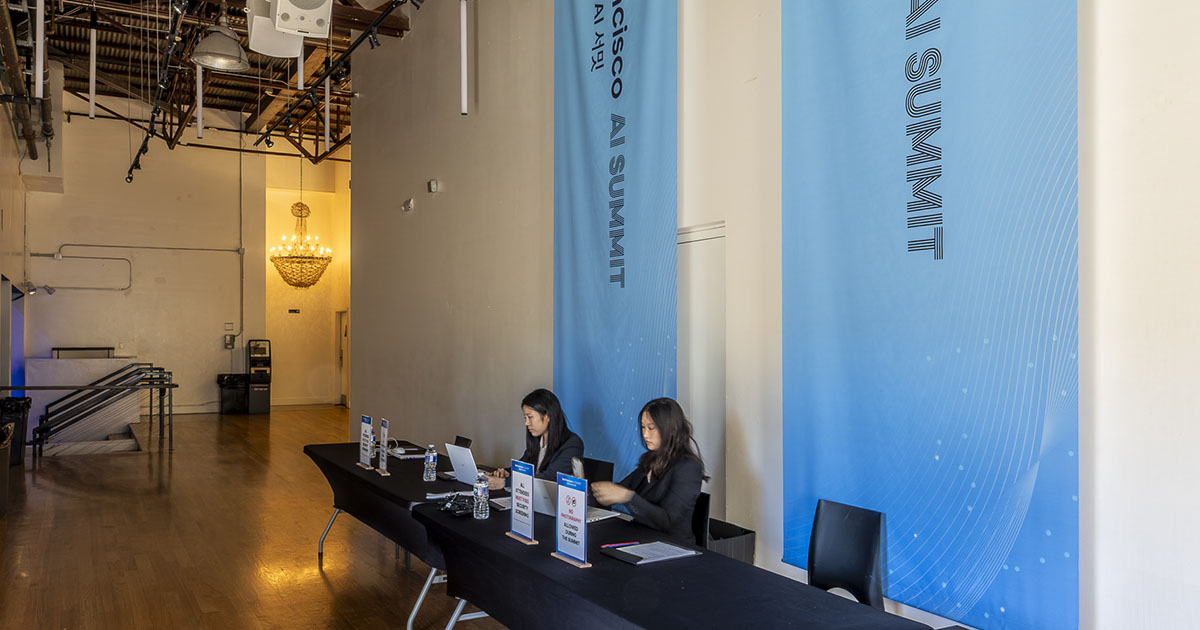
Events involving government officials and internationally recognized executives require detailed coordination around arrivals, credentials, access control, backstage circulation, private holding areas, transportation, and the movement of guests throughout the venue.

A flexible campus can help organizers establish distinct zones without making the event feel fragmented. Separate entrances, adjacent rooms, controlled circulation routes, and spaces that can be reassigned as plans evolve all become important operational assets.

The main stage is only one part of the experience

The most visible moment may be a conversation between prominent leaders, but much of an event’s long-term value is created elsewhere. Partnerships may begin during a reception. Technical discussions may continue over dinner. Executives may use a private room to advance an initiative introduced onstage.

This is one reason dedicated third spaces for conference networking have become increasingly important. They give attendees somewhere to continue conversations without competing with formal programming or crowded sponsor areas.
Production should support the conversation

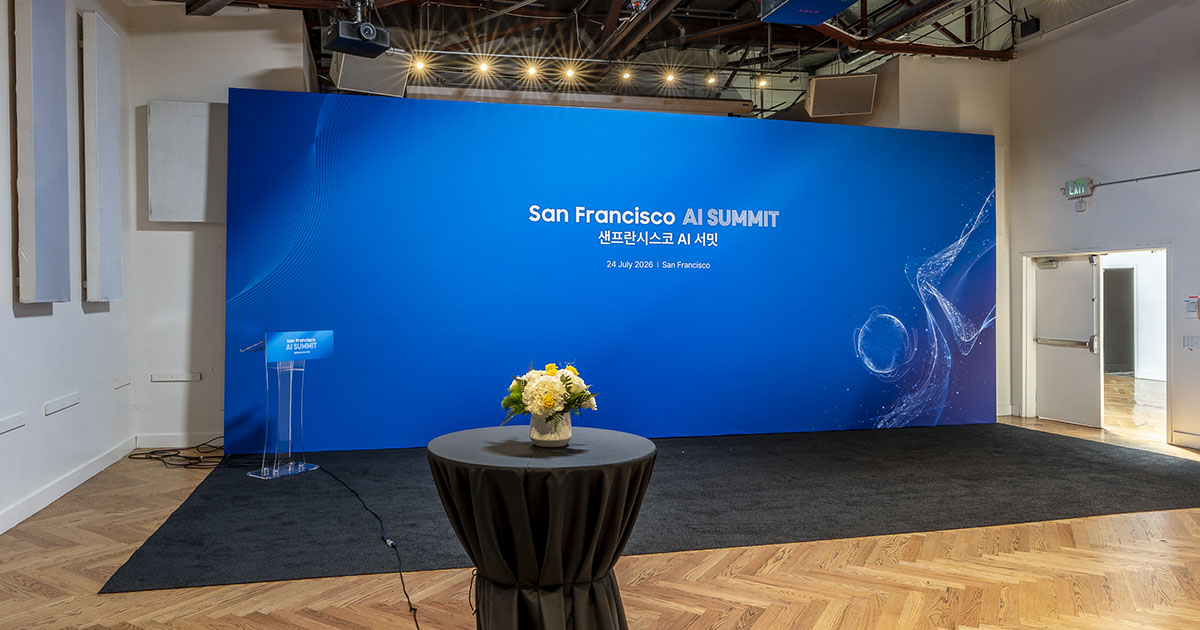
High-profile events need strong sound, lighting, staging, screens, broadcast capabilities, and media support, but production should not overpower the reason people are gathering.

The objective is to create an environment where speakers can communicate clearly, remote audiences can follow the discussion, media teams can capture the moment, and attendees remain focused on the ideas being shared.

Venue flexibility protects the program

Technology events frequently evolve as speakers are confirmed, security requirements change, attendance grows, or new partners become involved. Organizers benefit from spaces that can accommodate those changes without requiring the entire event to be reconsidered.

A venue with multiple connected environments gives planners more options for adapting layouts, separating audiences, expanding hospitality, adding media areas, or accommodating programming that may not have been part of the original brief.

AI Summit Event Photography at The Midway by Sam Khedr
  • Republic of Korea AI Summit in San Francisco, The Midway
  • Republic of Korea AI Summit in San Francisco, The Midway
  • Republic of Korea AI Summit in San Francisco, The Midway
  • Republic of Korea AI Summit in San Francisco, The Midway
  • Republic of Korea AI Summit in San Francisco, The Midway

Planning a High-Level AI or Technology Gathering?

Consider how the venue will support:

  • Executive and government arrivals
  • Credentialing and controlled access
  • Keynotes, panels, and live broadcasts
  • Private leadership meetings
  • Media interviews and press activity
  • Sponsor and partner environments
  • Dining and executive hospitality
  • Technical demonstrations
  • Structured and informal networking
  • Changes in attendance or programming

AI Events Are Becoming More Global and More Complex

The Korea AI Summit also demonstrated how thoroughly artificial intelligence has become connected to global industrial and economic strategy.

AI discussions now encompass far more than software. They include the manufacturing of advanced chips, construction of data centers, availability of energy, development of robotics, education of future workers, protection of national interests, delivery of public services, and creation of new products across nearly every sector.

This broader scope is changing who attends AI events and what those gatherings need to accomplish.

A developer conference may still focus on tools and technical education, while an executive summit may prioritize policy, infrastructure, investment, and partnerships. Other events combine product announcements, community programming, customer education, recruiting, demonstrations, workshops, and investor engagement across several days.

As the audience expands, event environments must support both the formal program and the relationships surrounding it. Attendees need places to learn, but they also need places to meet. Leaders need opportunities to speak publicly, but they also need settings where sensitive or complex conversations can continue privately.

The strongest AI gatherings recognize that these experiences are connected. The stage establishes the shared conversation, while the surrounding environments give participants room to turn that conversation into relationships, collaborations, and future work.

San Francisco’s Role in the Next Chapter of AI

The AI era will not be built in a single city or by a single country. The Korea AI Summit made that clear.

South Korea’s semiconductor expertise, manufacturing capabilities, industrial leadership, research institutions, and technology companies represent an important part of the global AI stack. The United States remains home to many of the companies developing the chips, models, platforms, and infrastructure driving the current wave of innovation.

Bringing leaders from those ecosystems together created an opportunity to look beyond individual products and consider the partnerships required for the next phase of artificial intelligence.

San Francisco continues to play an important role in making those exchanges possible. Its concentration of AI companies and talent attracts people from around the world, while its culture of experimentation provides a natural setting for discussions about technologies that are still developing.

The city is not the only place shaping AI’s future, but it remains one of the places where the people building that future regularly meet.

Bring Your Next AI Gathering to San Francisco

Explore a 40,000-square-foot indoor and outdoor campus designed for AI conferences, executive summits, product launches, developer gatherings, and technology community events.

Explore AI Event Spaces at The Midway

Looking for Event Space in San Francisco?

Let us know how we can help with your organization’s event needs. The Midway customizes events of all types and sizes with our versatile spaces, culinary options, and technological know-how for maximum impact and a successful experience.

Whether you are in early planning stages or interested in discussing specifics, please contact us for more info.

A FEW OF OUR CORPORATE EVENT CLIENTS