
Why Technology Companies Are Choosing Campus-Style Venues
San Francisco Event Space News | 5/28/2026
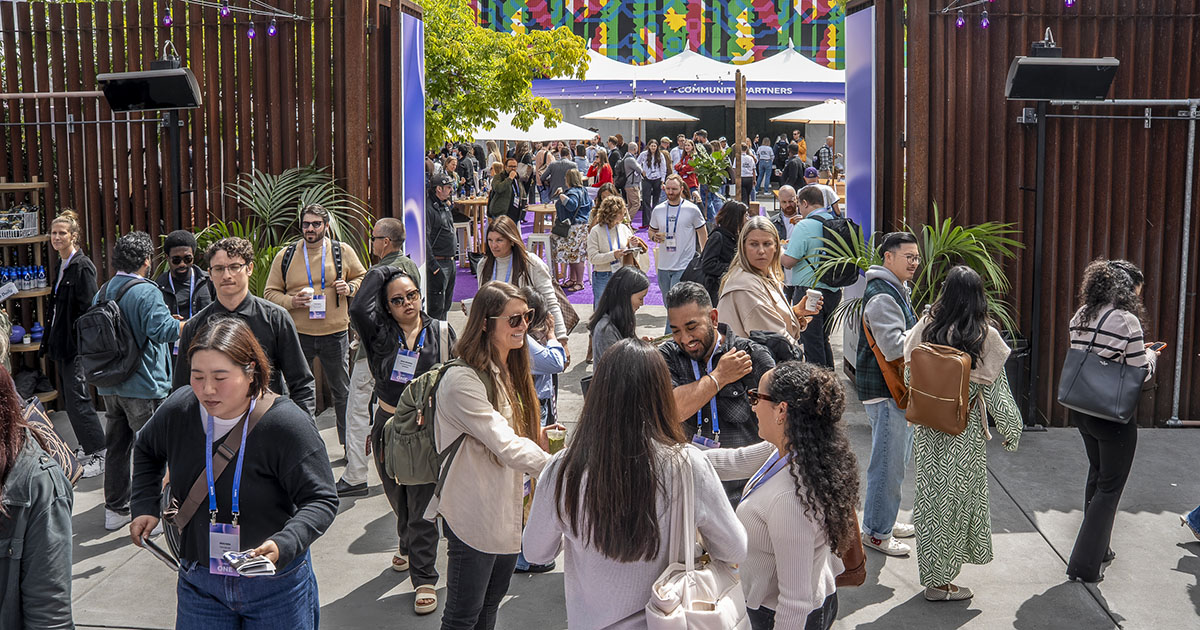
Ashby One event photography by Sam Khedr
Modern Conferences Need More Than One Room
Today’s conferences often include keynotes, breakout sessions, product demonstrations, workshops, meals, networking, sponsor moments, and evening receptions.
Trying to force all of that into one room can make the day feel flat.
Campus-style venues give planners more flexibility. They allow different parts of the event to have their own energy while still feeling connected to the larger conference experience.
For technology companies, this matters because attendees often need different environments throughout the day. A keynote may require focus and production value. A workshop may require smaller-group interaction. A reception may need a more relaxed social atmosphere.
Attendees Want Movement and Discovery
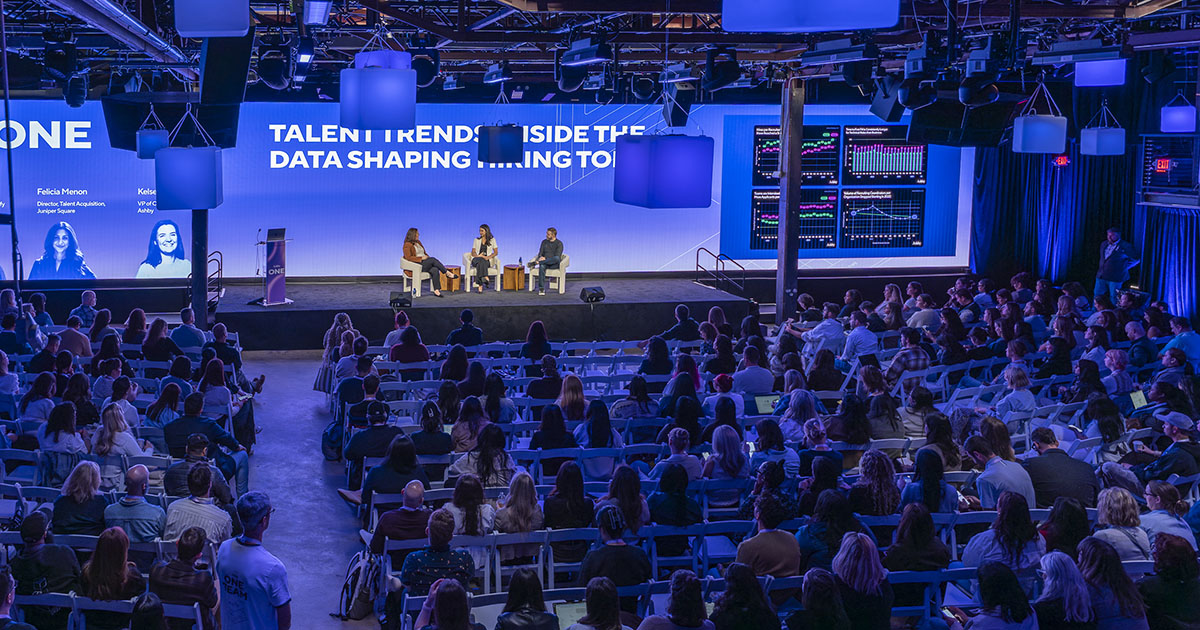
One reason campus-style event design works well is that it gives attendees a sense of movement.
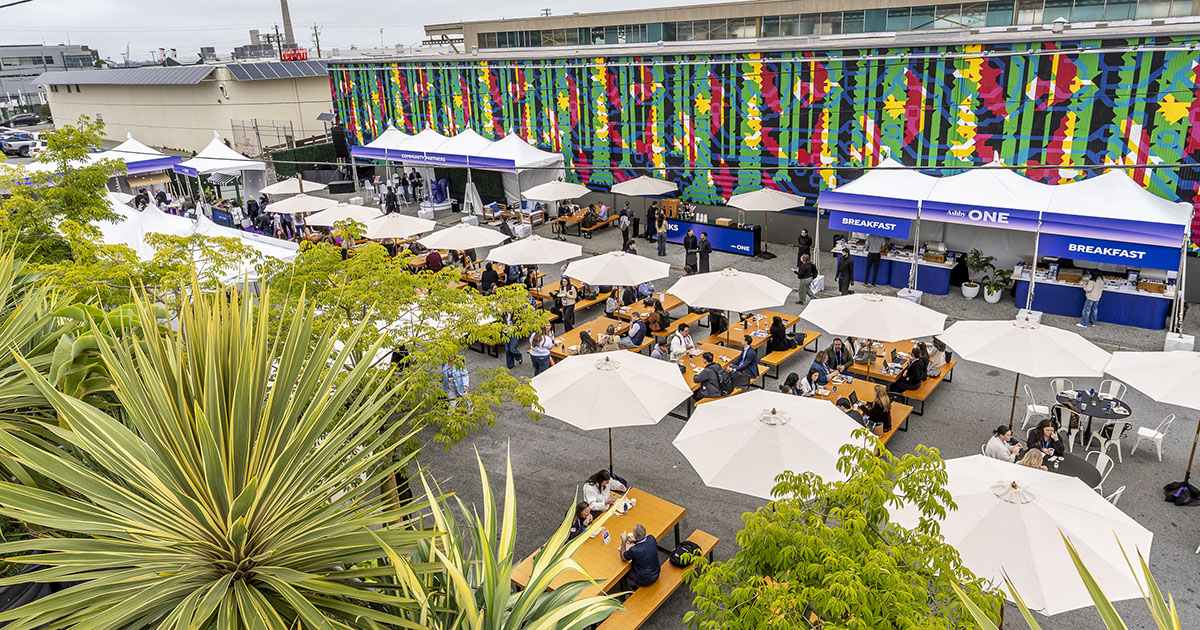
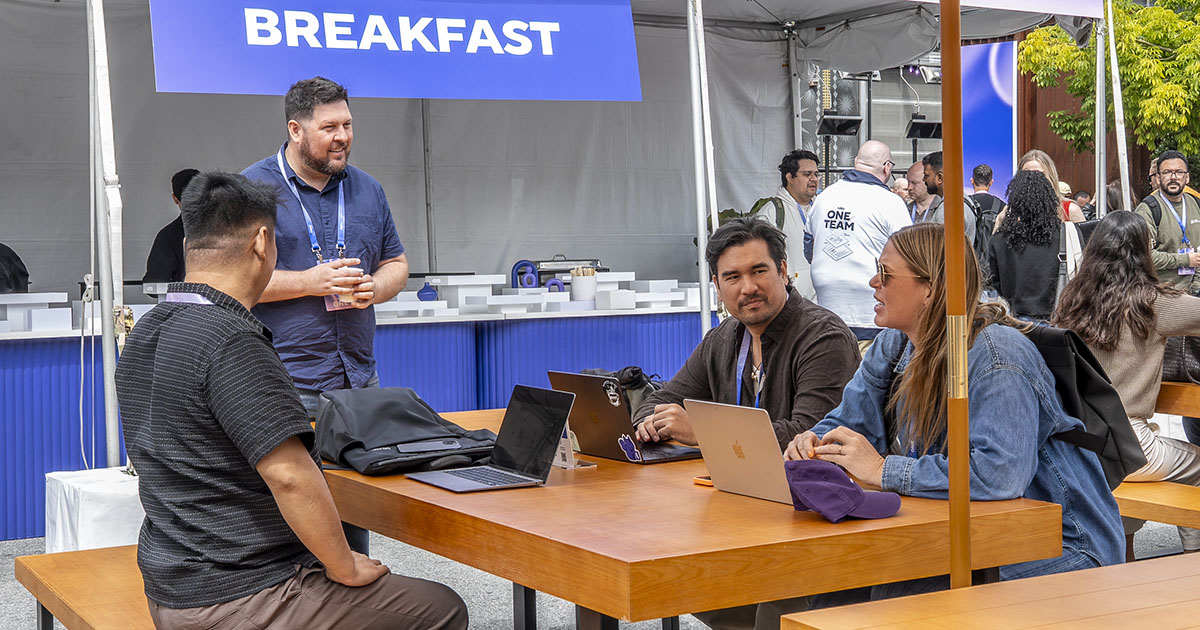
Instead of spending an entire day in the same ballroom, guests can move between sessions, meals, outdoor areas, lounges, activations, and informal gathering spaces.
That movement helps maintain energy. It also creates more natural opportunities for discovery, conversation, and connection.
For AI and technology conferences, where the subject matter can be dense, this kind of spatial variety can make the entire day feel more engaging and memorable.
Attendees Notice the Difference
While event planners often focus on agendas, speakers, and production, attendees frequently remember how an event felt.
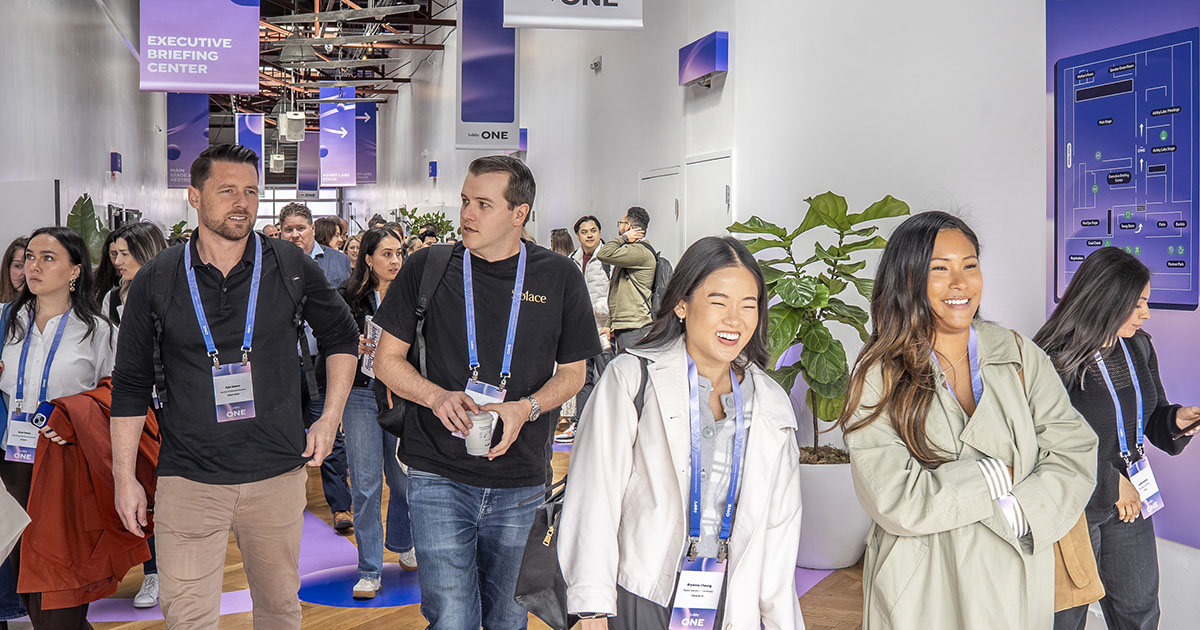
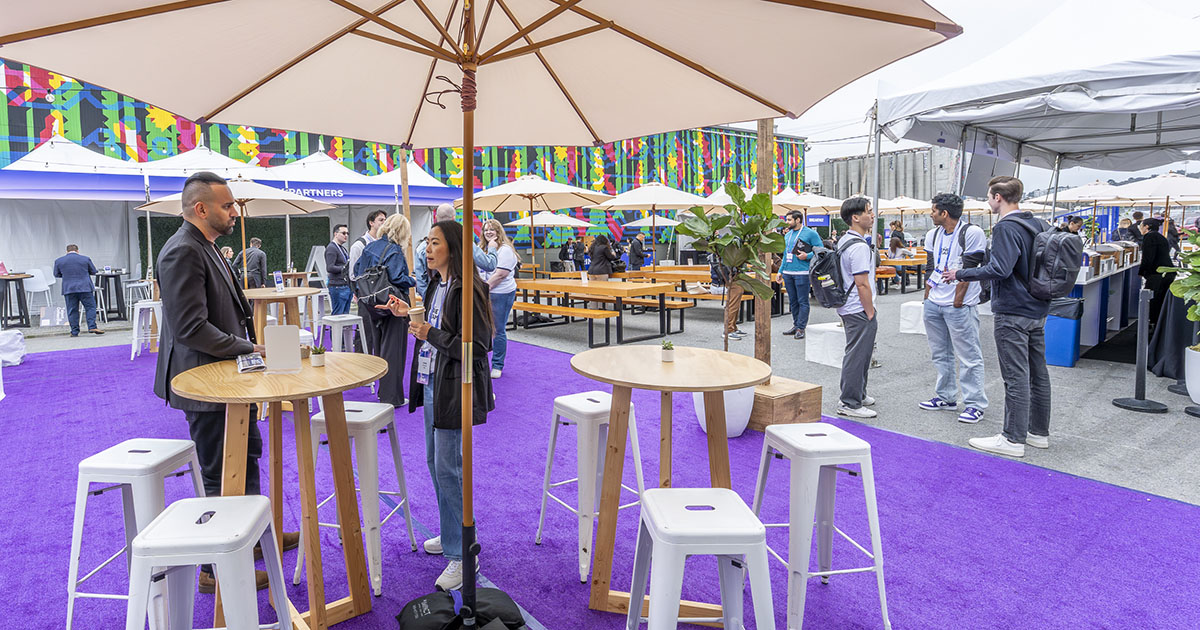
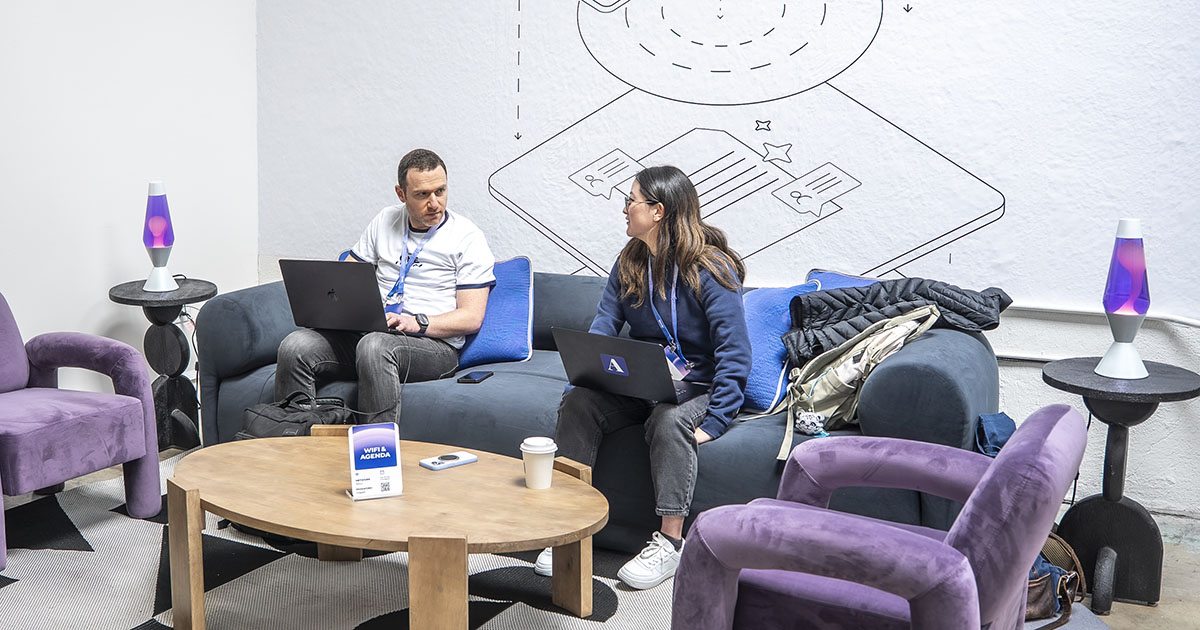
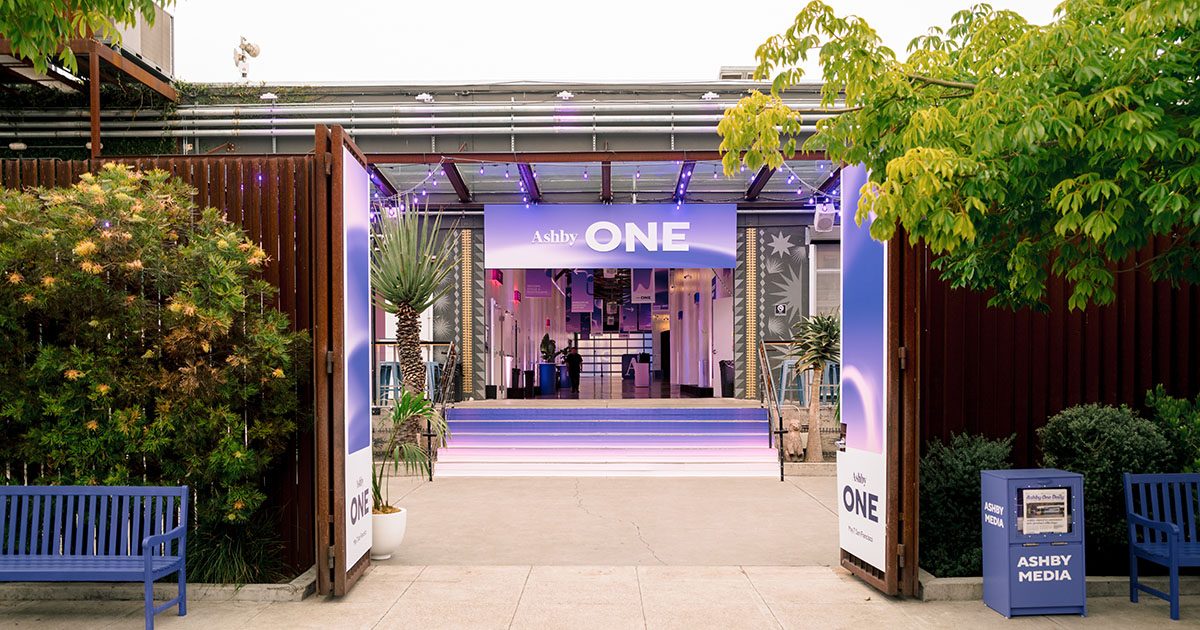
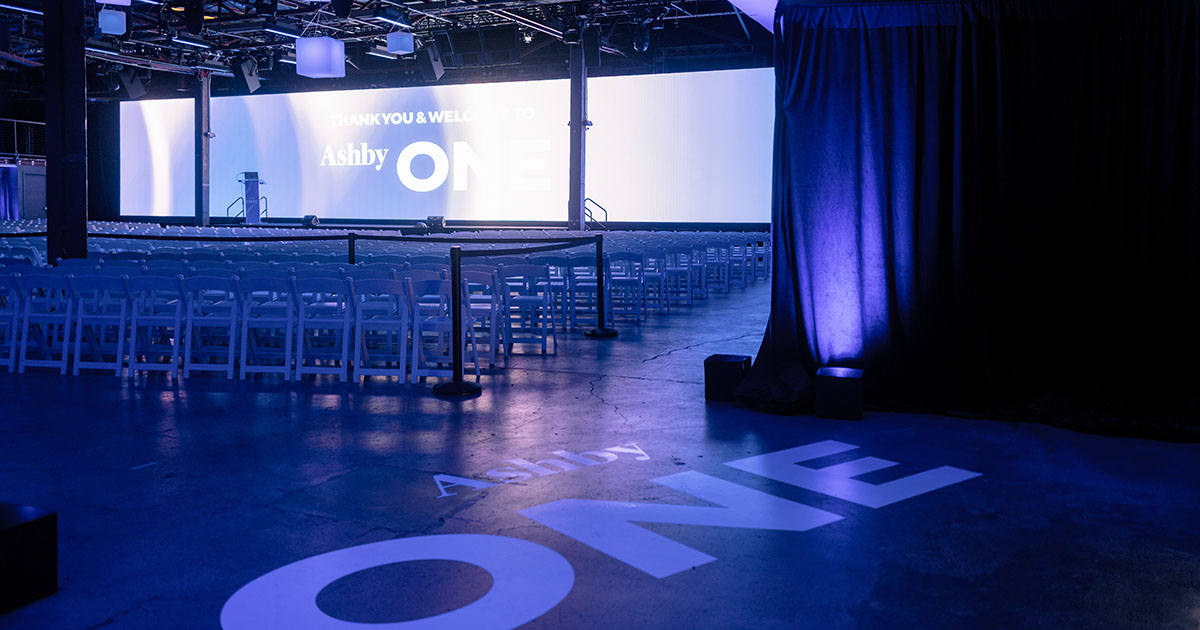
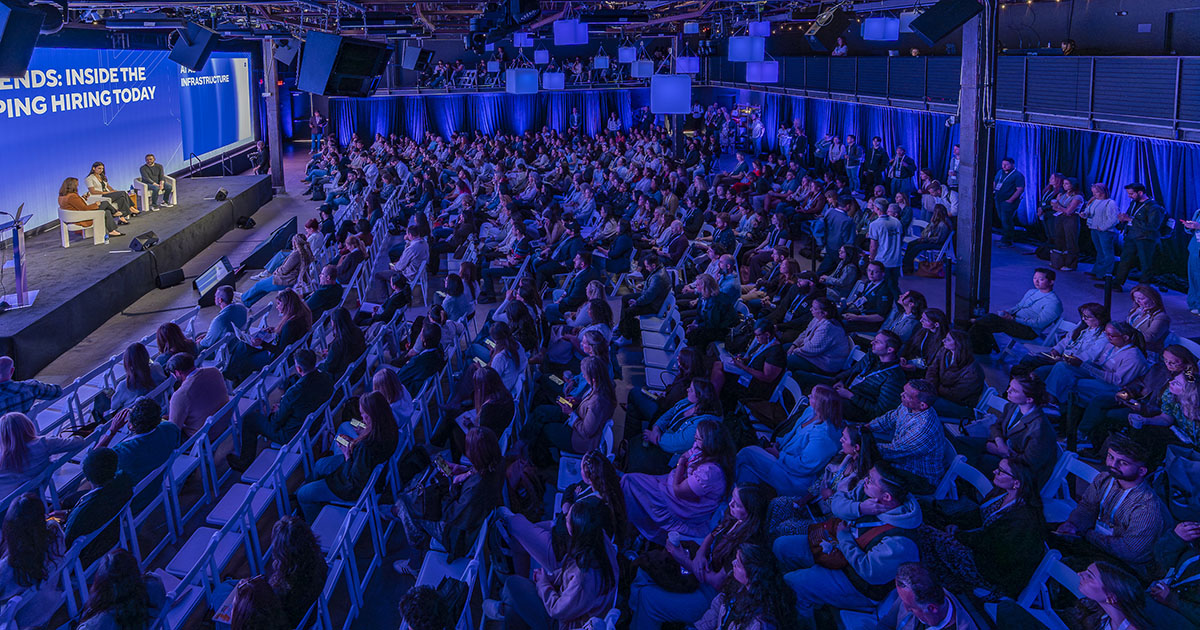
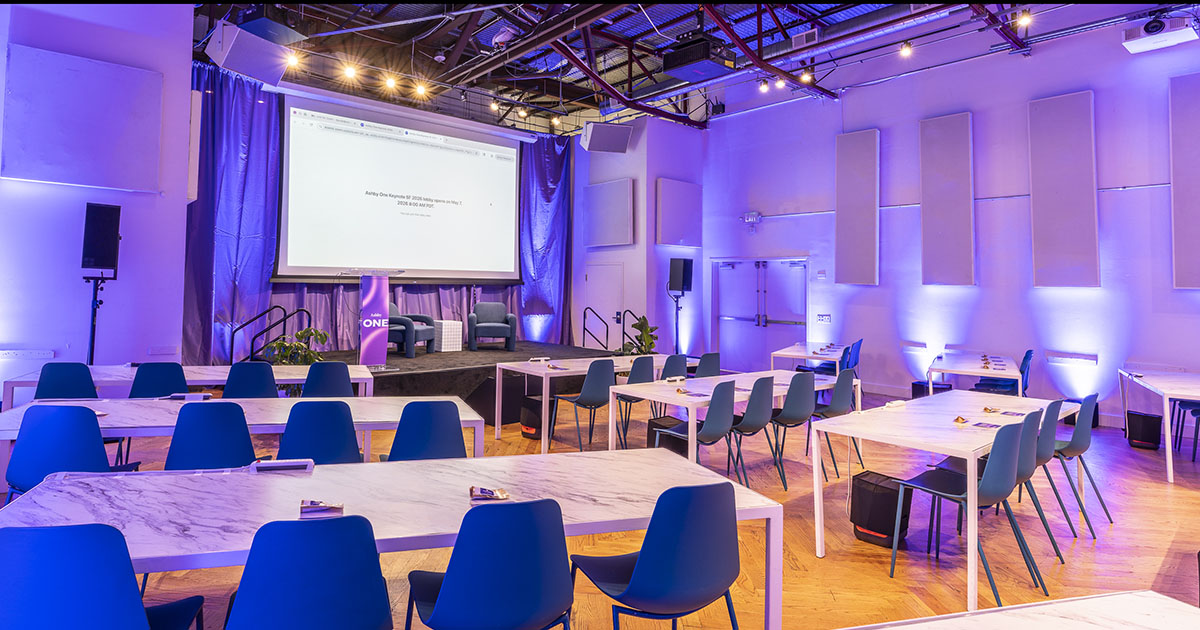
At Ashby One 2026, attendees experienced a conference environment that blended auditoriums, breakout rooms, networking areas, courtyards, and indoor-outdoor gathering spaces throughout The Midway campus.
“Ashby One last Thursday in San Francisco was a refreshing change from spending days inside conference halls in Vegas. The venue itself, a converted warehouse-style space with auditoriums, breakout rooms, open courtyards, and a really thoughtful mix of indoor/outdoor experiences, gave the event an energy that felt more like a festival than a traditional HR tech conference.”
“What stood out most to me wasn’t just the product announcements or roadmap updates. It was seeing founders and leadership walking the floors, talking directly with customers, listening to feedback, and engaging in real conversations about where hiring and people operations are headed.”
— Virginia Tirado, Founder & CEO
Her observation highlights an important shift happening across technology conferences. The environment is no longer separate from the event experience. Venue design, attendee flow, networking opportunities, and access to leadership all contribute to how people engage with the content and with each other.
Campus Design Supports Community
The strongest conferences are increasingly built around community, not just content.
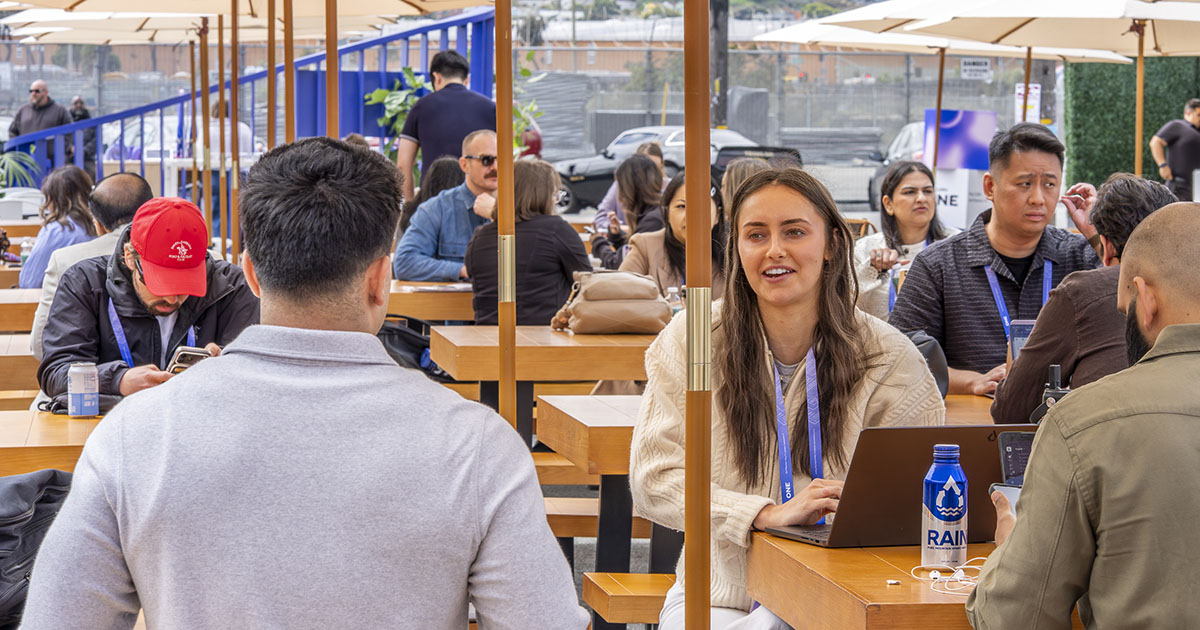
That requires more than a stage and chairs. It requires places where people can talk between sessions, reconnect over meals, meet product teams, share ideas, and continue conversations after formal programming ends.
At Ashby One, attendees had opportunities to engage with Ashby’s teams, attend hands-on workshops, connect with peers, and participate in a full-day experience that extended beyond the keynote stage.
This is where venue design becomes part of the event strategy. A conference campus can help create the conditions for better networking, stronger engagement, and more meaningful attendee experiences.
Why This Matters for Technology Event Planners
Technology companies are often trying to accomplish several goals at once when they host conferences.
They want to educate customers, announce new products, deepen relationships, showcase expertise, support community, and create content that continues to deliver value after the event ends.
A campus-style conference venue can support all of those goals by giving planners more ways to shape the attendee journey.
For companies planning AI conferences, customer conferences, developer events, product launches, and executive summits in San Francisco, this flexibility is becoming increasingly important.
The Future of Conference Venues
The future of conference design is not just about better programming. It is also about better environments.
As events become more interactive, venues need to support movement, flexibility, production, hospitality, and connection.
Ashby One showed how a modern technology conference can use a campus-style venue to create a more engaging experience for attendees. It also reflects a larger shift in the market.
Technology companies are looking for conference venues that can do more than hold an audience. They are looking for spaces that can help build a community.
Read Part 1: How Conference Design Is Evolving for the AI Era
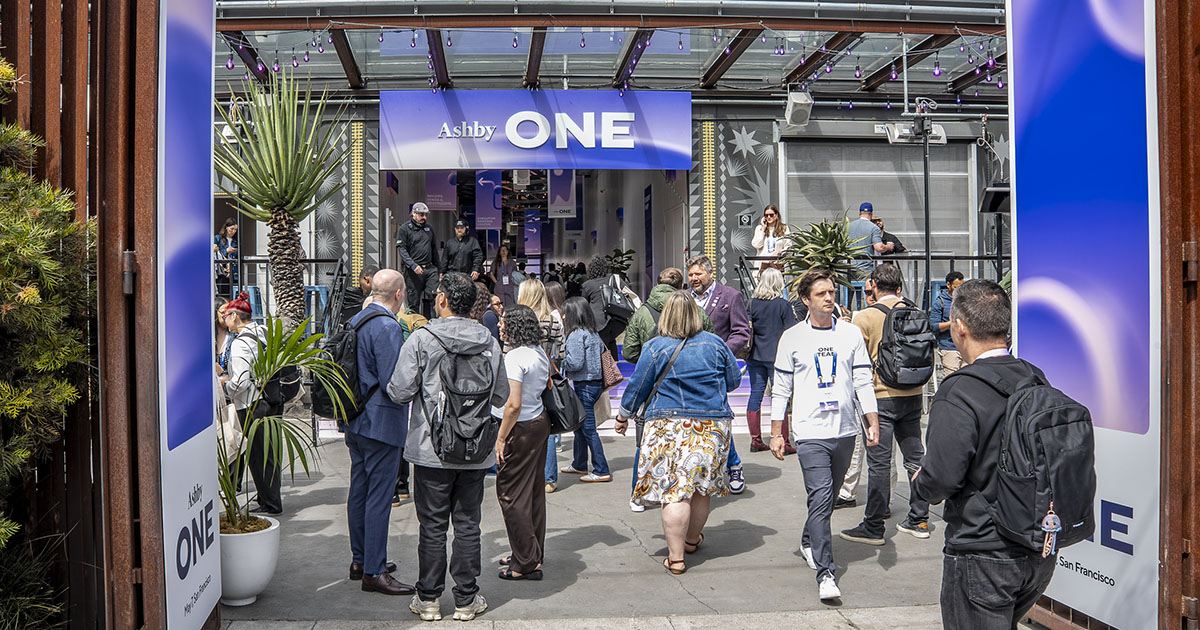
Ashby One event photography by Sam Khedr and Melanie Duerkopp
Looking for a San Francisco venue that can deliver on production capabilities?
Explore event spaces at The Midway | View our Event Video Gallery | Contact our event team
Looking for Event Space in San Francisco?
Let us know how we can help with your organization’s event needs. The Midway customizes events of all types and sizes with our versatile spaces, culinary options, and technological know-how for maximum impact and a successful experience.
Whether you are in early planning stages or interested in discussing specifics, please contact us for more info.
A FEW OF OUR CORPORATE EVENT CLIENTS

























































RELATED CONTENT