
The Rise of the Experience Campus: What Cannes Lions Teaches Event Planners
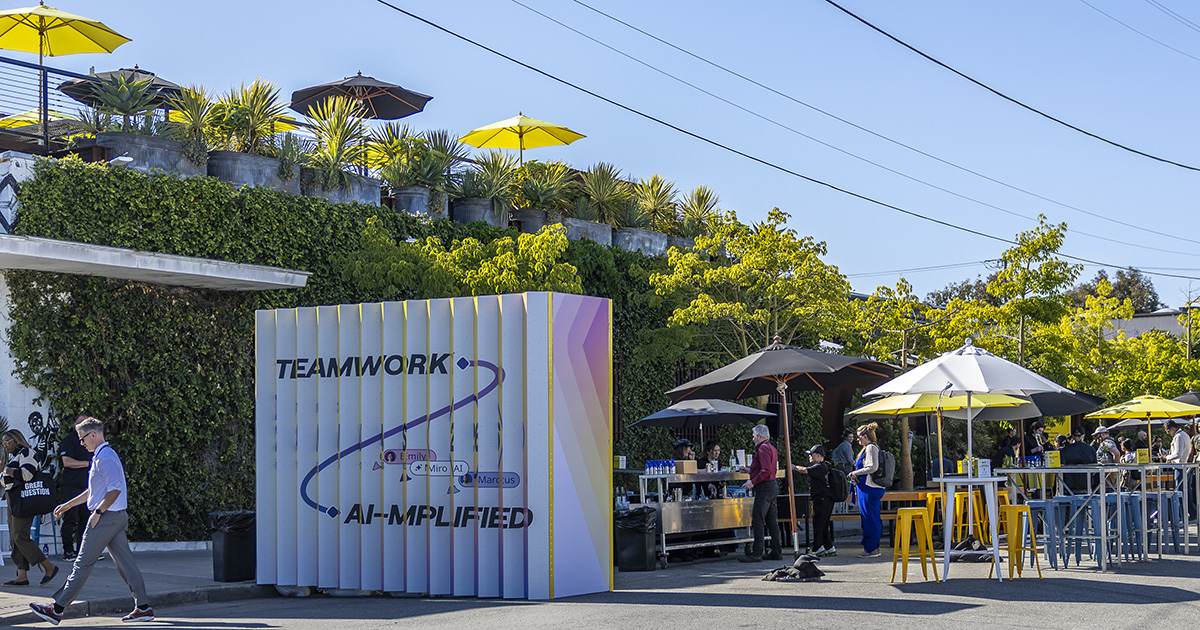
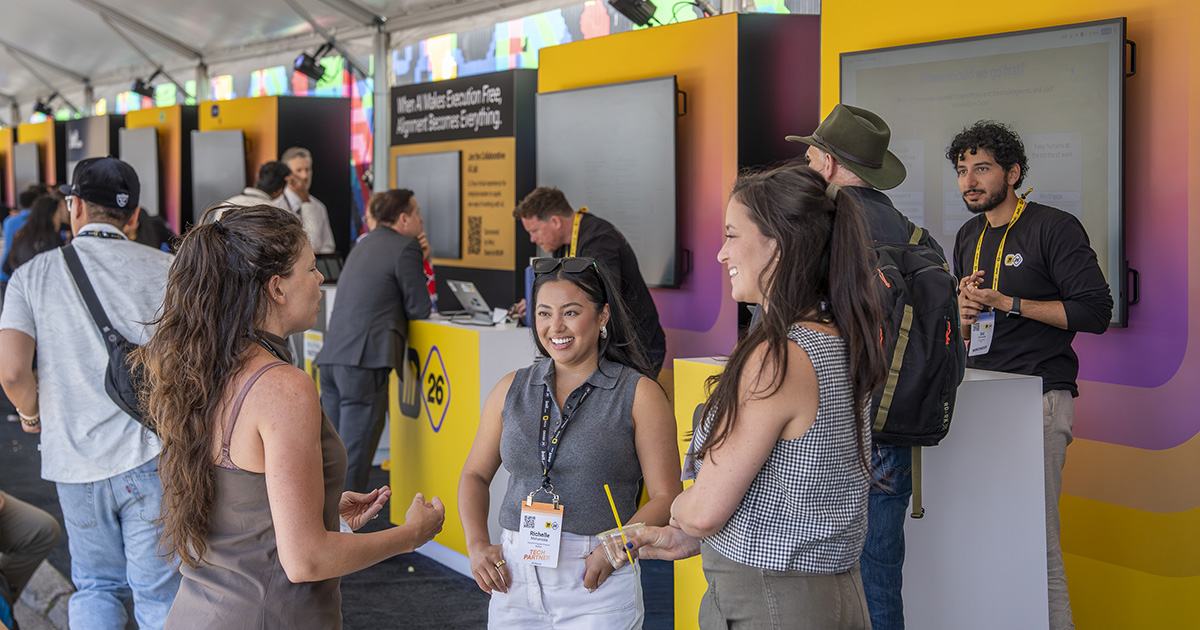
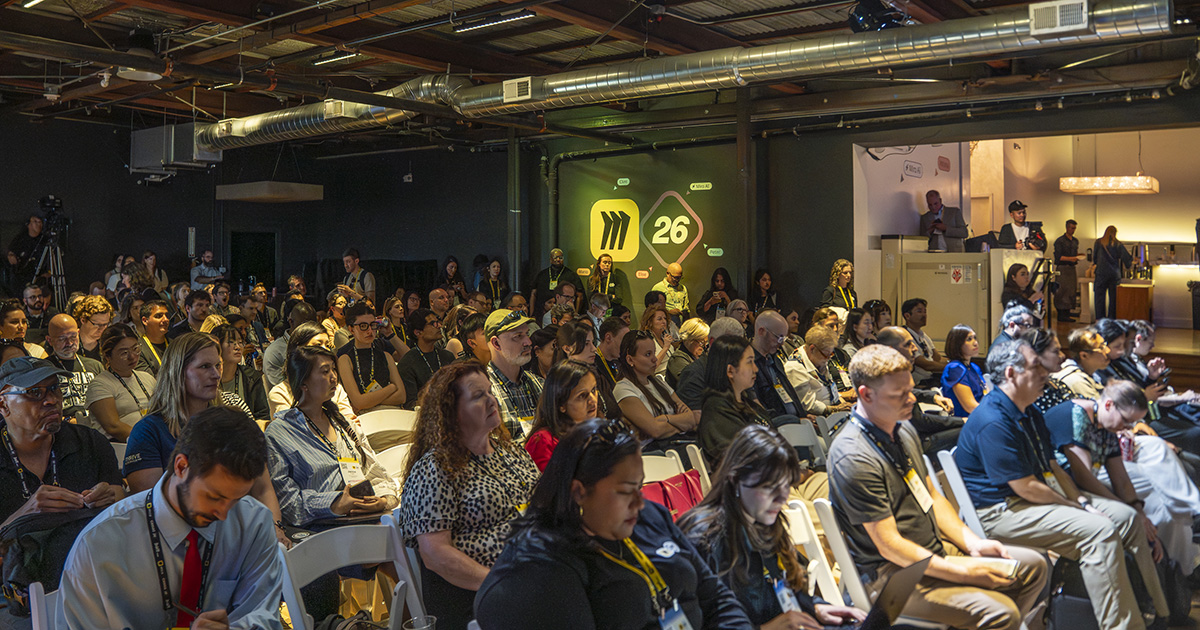
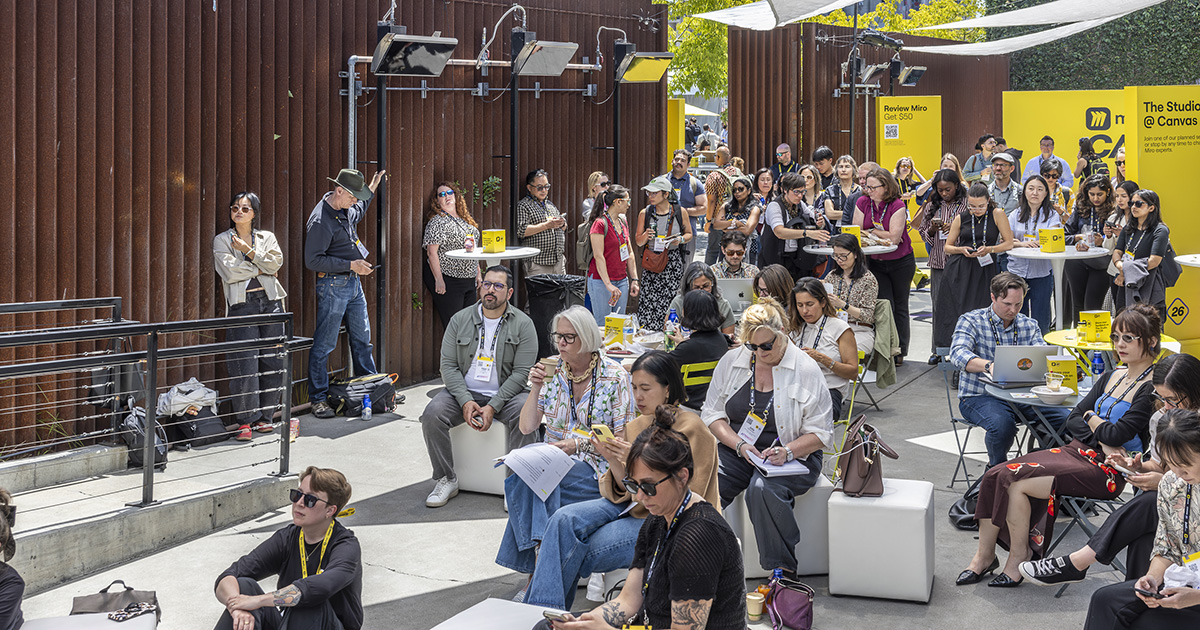
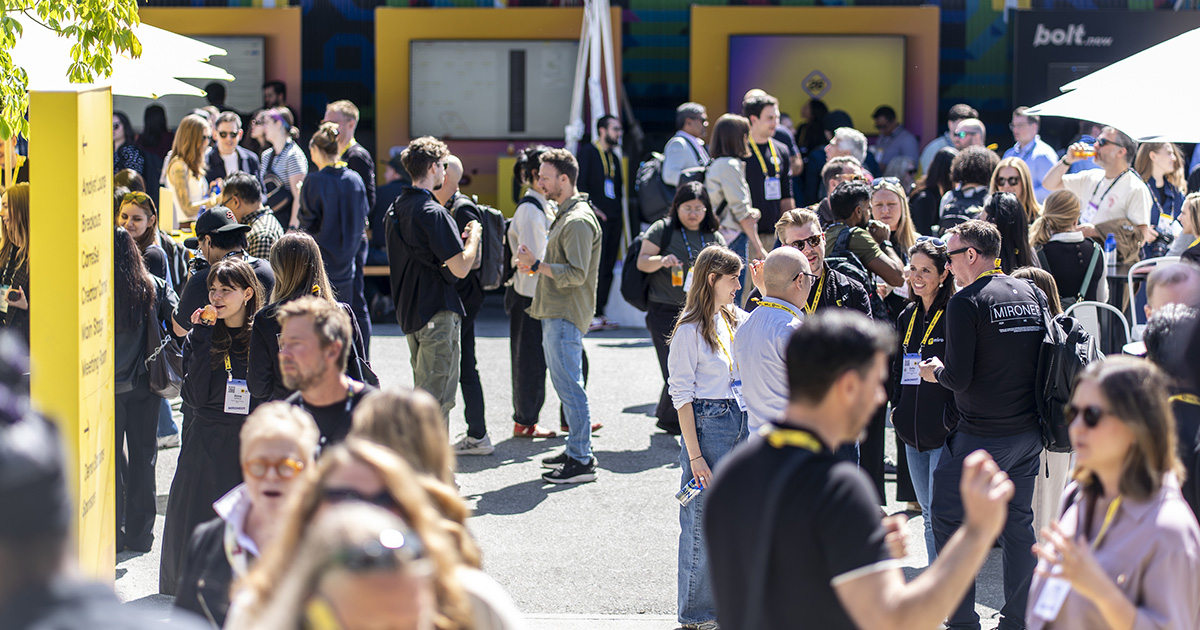
Miro Canvas 26 San Francisco event photography by Sam Khedr
Every June, thousands of marketers, creators, executives, agencies, technology companies, and brands descend upon the French Riviera for the annual Cannes Lions International Festival of Creativity.
While the festival is known for celebrating award-winning campaigns and creative work, it has increasingly become something else: a glimpse into the future of live events.
For event planners, one of the most interesting takeaways from Cannes Lions is not only what happens inside the conference halls. It is what happens throughout the city.
Brands build temporary experiences across beaches, hotels, rooftops, restaurants, villas, and waterfront venues. Attendees move between presentations, networking events, creator activations, product demonstrations, hospitality lounges, and evening receptions. The result is less like a traditional conference and more like an interconnected event ecosystem.
This shift reflects a broader trend reshaping conferences, brand activations, customer events, and experiential marketing programs around the world.
The future of events increasingly looks like an experience campus.
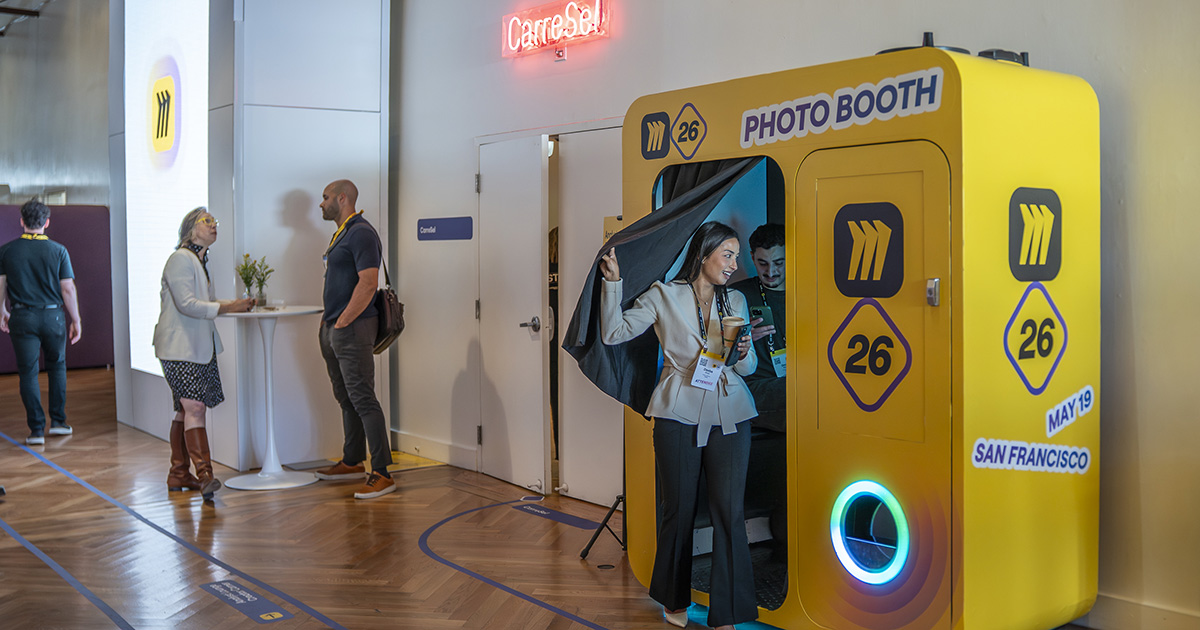
What Is an Experience Campus?
An experience campus is an event environment that combines multiple event formats, spaces, and attendee experiences into a connected destination.
Rather than placing every activity inside a single ballroom or conference room, organizers create distinct environments that serve different purposes throughout the attendee journey.
These environments often include:
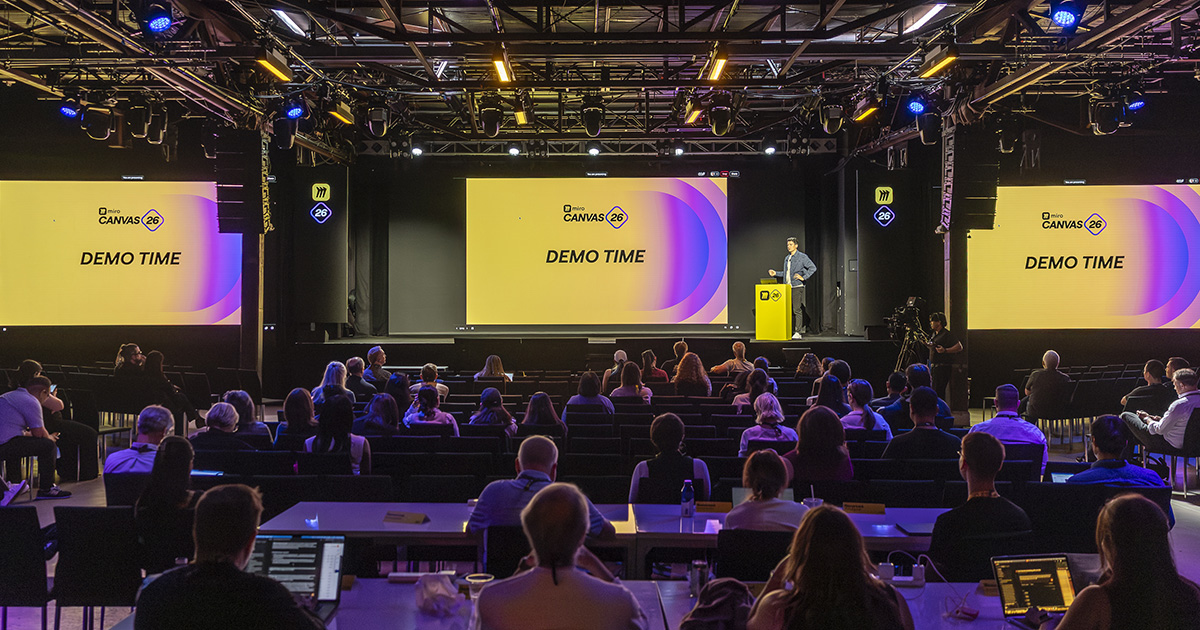
- Content stages and keynote presentations
- Sponsor activations and exhibits
- Networking lounges
- Hospitality experiences
- Interactive demonstrations
- Workshops and breakout sessions
- Outdoor gathering spaces
- Community and creator experiences
The goal is not simply to increase the size of an event. It is to create variety, movement, and opportunities for meaningful engagement throughout the day.
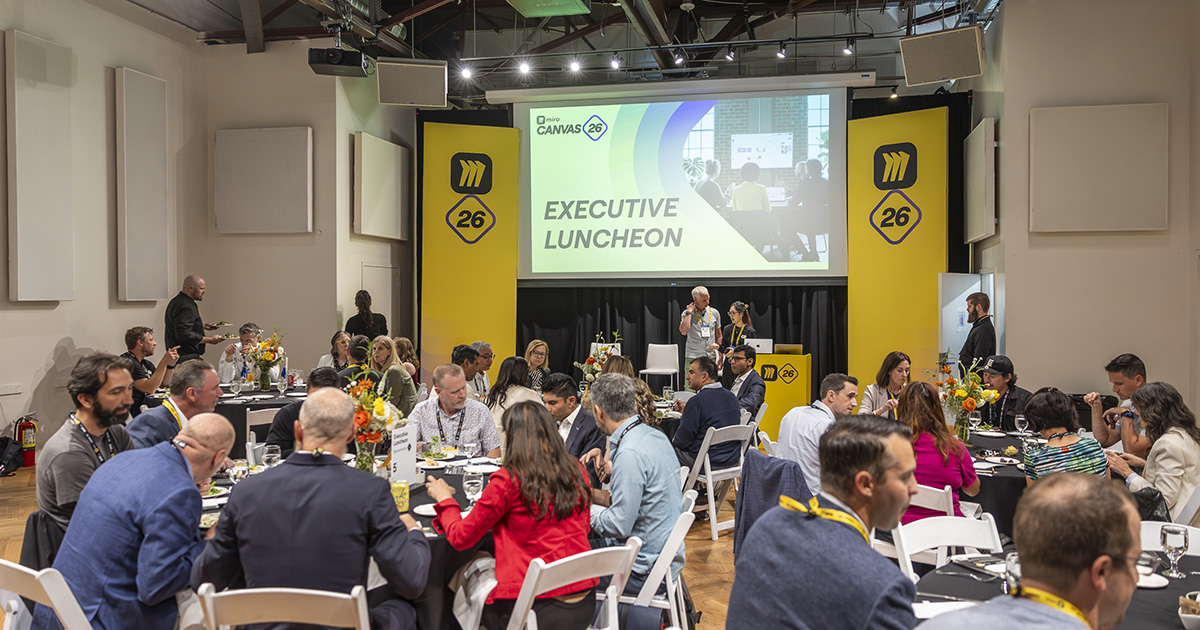
Why Cannes Lions Feels Different
One reason Cannes Lions remains such a valuable case study for event professionals is that the festival naturally encourages exploration.
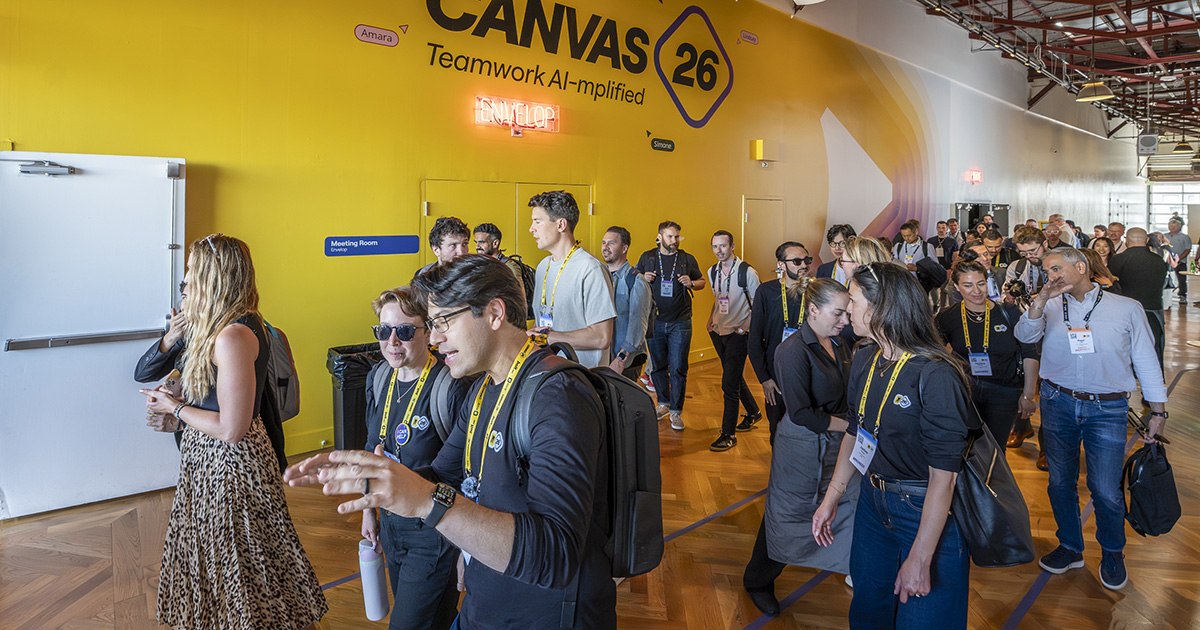
Attendees rarely spend an entire day in one room. Instead, they move between keynote stages, beachfront activations, brand experiences, networking events, private dinners, and community gatherings.
The most successful activations are often those that create an environment people want to spend time in rather than simply pass through.
This reflects a growing realization among event organizers: attention is earned through participation, not just presentation.
Multi-Building Activations Create More Opportunities for Engagement
One challenge many conferences face is trying to make a single room accomplish too many objectives.
A keynote environment requires different energy than a networking reception. A sponsor showcase requires different functionality than a workshop or community meetup.
Experience campuses solve this challenge by allowing different spaces to serve different purposes.
Instead of forcing attendees into one format, organizers can create multiple destinations throughout the event.
Examples might include:
- A main stage for presentations and keynote sessions
- A dedicated sponsor activation area
- A hospitality lounge for customer meetings
- A networking courtyard or outdoor commons
- Smaller breakout rooms for workshops and discussions
Each space contributes to the overall experience while supporting a specific attendee need. This is especially important for companies planning larger conferences, product launches, and immersive programs that require more than one mode of engagement. For a closer look at how flexible venues support this type of programming, explore our guide to event spaces in San Francisco.
Indoor-Outdoor Flow Has Become a Competitive Advantage
One of the most memorable aspects of Cannes Lions is how seamlessly attendees move between indoor and outdoor environments.
That same expectation is increasingly shaping event design in major cities around the world.
Attendees want opportunities to step away from presentation rooms, have conversations, enjoy fresh air, recharge, and engage with programming in different ways.
For planners, outdoor space is no longer simply a nice amenity. It has become a functional component of event design.
Outdoor environments can support:
- Networking breaks
- Food and beverage experiences
- Sponsor activations
- Product demonstrations
- Community gatherings
- Evening receptions
The ability to move naturally between indoor and outdoor environments often improves attendee flow and creates a more dynamic experience.
Networking Is No Longer an Afterthought
Historically, networking was something that happened between sessions.
Today, networking is often one of the primary reasons people attend events in the first place.
Many of the most successful experiences at Cannes Lions are designed around conversation rather than presentation.
This shift is influencing conference design across industries. Rather than treating networking as downtime, organizers are intentionally creating environments that encourage interaction throughout the day.
This may include:
- Dedicated networking lounges
- Open gathering spaces
- Coffee and hospitality areas
- Community meetups
- Structured networking programs
The best events create opportunities for attendees to connect organically without requiring every interaction to be scheduled. This is also why many modern conferences benefit from a dedicated third space where attendees can continue conversations beyond the stage, expo floor, or breakout room.
Sponsor Activations Have Become Experiences
The days of simple exhibit booths continue to fade.
At Cannes Lions, some of the most talked-about brand presences are immersive environments that combine storytelling, demonstrations, hospitality, entertainment, and community engagement.
Sponsors increasingly want spaces where attendees can spend meaningful time rather than simply collect information.
This shift creates opportunities for:
- Interactive product demonstrations
- Experiential installations
- Content creation opportunities
- Creator collaborations
- VIP customer experiences
- Hands-on brand engagement
The physical environment becomes part of the story being told. For brands preparing major announcements or customer-facing moments, this same thinking applies to the way teams design a product launch event, where staging, flow, hospitality, and audience participation all shape the overall impact.
Experience Zones Create More Memorable Events
One lesson planners can take from Cannes Lions is the importance of creating multiple moments of discovery throughout an event.
Not every attendee engagement should happen from a stage.
Experience zones provide opportunities for exploration and participation while helping break up long stretches of passive content consumption.
These environments may include:
- Interactive exhibits
- Product showcases
- Immersive installations
- Creator studios
- Innovation demonstrations
- Community activations
When designed effectively, these moments often become some of the most memorable parts of an event.
AI, Creativity, and the Need for More Flexible Event Environments
Cannes Lions also reflects a larger shift in how creative, technology, and marketing communities are gathering.
As AI becomes more integrated into brand strategy, creative production, and customer experience, events need to support a wider range of formats. A modern AI or technology event may require keynote programming, live demos, founder conversations, hands-on workshops, investor meetings, community networking, and evening hospitality in the same overall environment.
This is one reason flexible venues matter. The best spaces give planners room to move between technical content, creative storytelling, social connection, and brand experience without making the event feel fragmented.
For more on how this is changing event strategy, read our article on how conference design is evolving for the AI era or explore The Midway as a San Francisco event space for AI conferences, summits, and community gatherings.
The Future of Events Looks More Like a Campus Than a Ballroom
As conferences, brand activations, customer events, and experiential programs continue to evolve, many organizers are moving beyond traditional event layouts.
Attendees increasingly expect flexibility, variety, participation, and opportunities to connect.
The lessons from Cannes Lions suggest that the most successful events are not built around a single room or stage. They are built around a collection of experiences that work together to create a larger journey.
This is one reason campus-style venues continue to gain attention among event planners. The ability to combine presentations, activations, networking, hospitality, and immersive experiences within a connected environment gives organizers more flexibility to design events around attendee behavior rather than venue limitations.
At The Midway in San Francisco, this type of event design is supported by a large indoor-outdoor campus with multiple rooms, flexible production environments, immersive spaces, patios, hospitality areas, and room for programming to unfold across different zones. For planners looking ahead to the next generation of conferences and brand experiences, the experience campus may be one of the most important event design trends to watch.
Looking for a San Francisco venue that can deliver on production capabilities?
Explore event spaces at The Midway | View our Event Video Gallery | Contact our event team


















































RELATED CONTENT