
How to Choose a Holiday Party Venue for 100–1,000 Guests in San Francisco
San Francisco Event Space News | 9/16/2026

Once a company holiday party reaches a few hundred guests, capacity is only one part of the venue decision.
A restaurant might be perfect for a dinner-focused celebration. A hotel can make sense for a more traditional format. A private event venue becomes more useful when the night includes entertainment, dancing, company remarks, activations, or several things happening at once.
Before comparing venues, think through what you want the evening to include. That will tell you much more about the space you need than guest count alone.
Looking for Event Space in San Francisco?
Let us know how we can help with your organization’s event needs. The Midway customizes events of all types and sizes with our versatile spaces, culinary options, and technological know-how for maximum impact and a successful experience.
Whether you are in early planning stages or interested in discussing specifics, please contact us for more info.
A FEW OF OUR CORPORATE EVENT CLIENTS















































When Does a Private Event Space Make More Sense Than a Restaurant?
Restaurants are good at bringing people together around food and conversation. If that’s the heart of the event, a restaurant or private dining room may be exactly what you need.
A dedicated event venue gives you more flexibility when the celebration includes live entertainment, dancing, presentations, custom production, multiple food and beverage areas, or different spaces used throughout the night.
For larger groups, that flexibility can also help with practical issues. Guests don’t all have to arrive through the same doorway, order from the same bar, eat in the same place, or spend four hours in the same room.
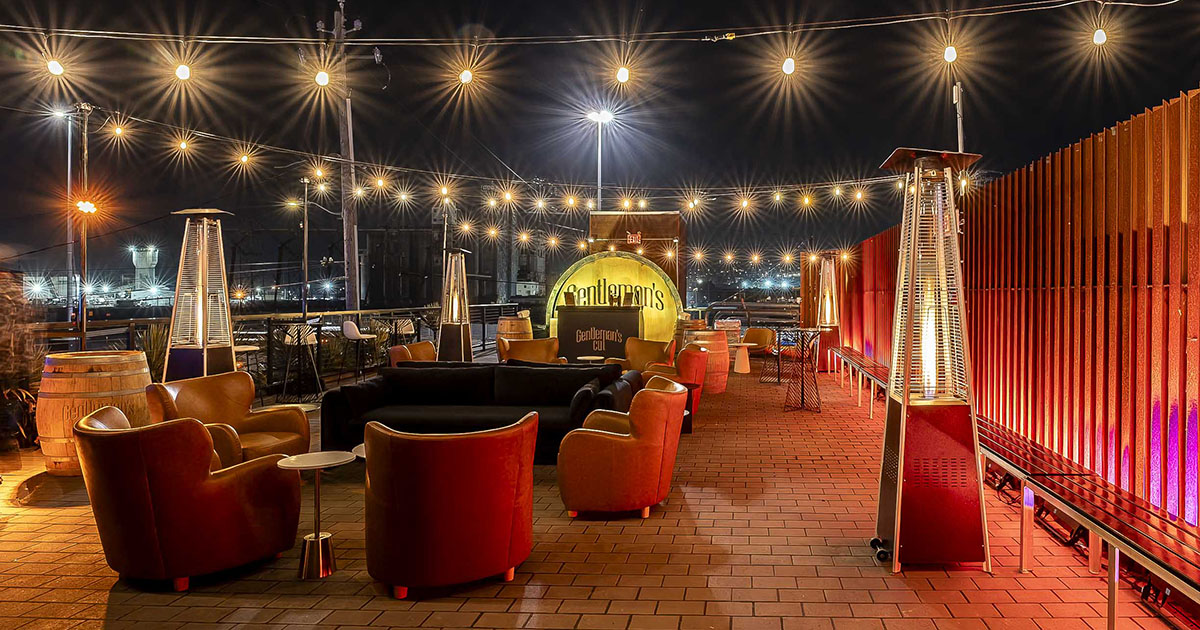
Look at the Floor Plan, Not Just the Capacity
A 600-person capacity doesn’t tell you how a venue works with 600 people inside it.
Look at where guests enter, where the bars and food will be, where entertainment happens, and how people move between those areas. If the event includes dinner, company remarks, dancing, and somewhere quieter to talk, see how those pieces actually fit together.
Ask to see floor plans and examples of previous events with a similar guest count. They are often more useful than the maximum capacity listed on a venue website.
Know What Comes With the Venue
Two venues with similar rental prices can end up costing very different amounts to produce.
Sound, lighting, staging, video, furniture, bars, catering infrastructure, power, security, and production labor can all add to the budget. Find out what is already on site, what is included in the proposal, what needs to be rented, and whether the venue requires specific vendors.
Compare the likely cost of the finished event, not just the room rental. A venue that already has much of the infrastructure you need can also mean fewer vendors, deliveries, and moving parts for the planning team.
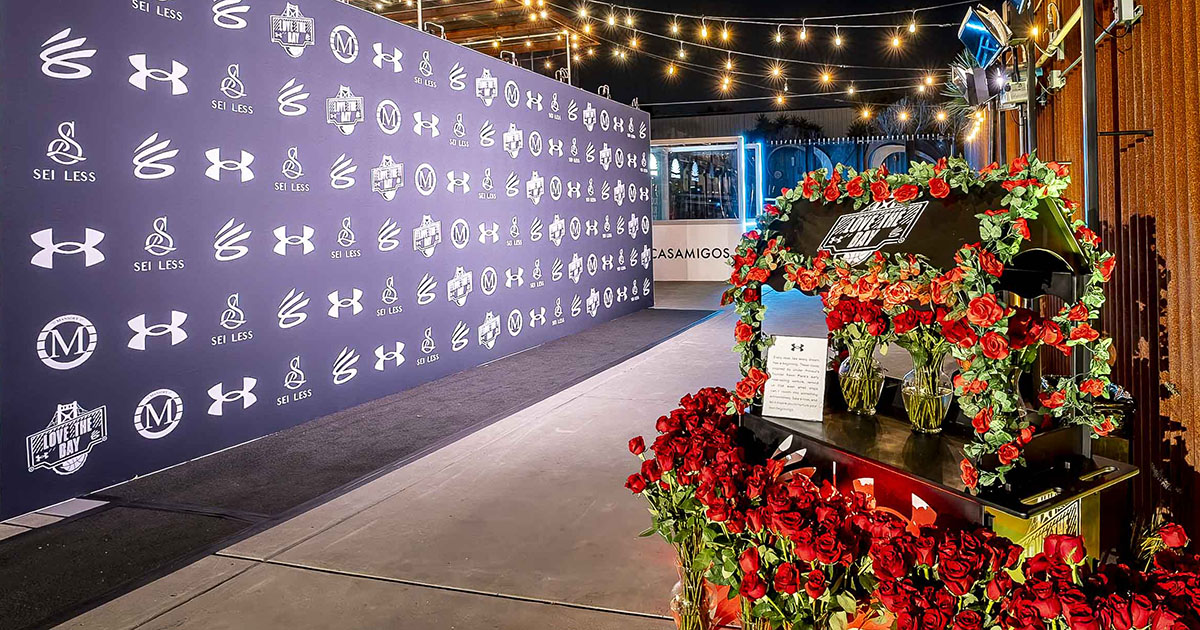
Think About Privacy and Control
A private room and a private venue aren’t necessarily the same thing.
Find out whether your company has exclusive use of the property, whether entrances or common areas are shared, and what other activity may be happening during your event.
That can affect more than privacy. It can determine how much control you have over security, branding, photography, music, company remarks, entertainment, and the schedule for the evening.
Don’t Overlook Arrival and Departure
Location matters differently when you’re moving several hundred employees around San Francisco.
Consider where people are coming from, whether you’ll provide shuttles, where rideshares can load and unload, and what happens when a large part of the guest list leaves at the same time. If employees are traveling from offices, hotels, the Peninsula, or the East Bay, those details can have a noticeable effect on the night.
Accessibility belongs in this conversation too. Check entrances, restrooms, seating, routes between spaces, and transportation drop-off, particularly if the event uses multiple rooms or indoor and outdoor areas.
Decide What You Actually Need From the Space
Some holiday parties need a great dining room. Others need a stage, dance floor, bars, lounges, and room for entertainment. Some companies want a finished environment that needs very little added to it; others want to transform the space around a theme or creative concept.
There’s no single venue type that’s right for every company party. The useful comparison is how well each option supports the event you’re planning, how much needs to be brought in to make it work, and how easily several hundred people can use the space once they’re there.
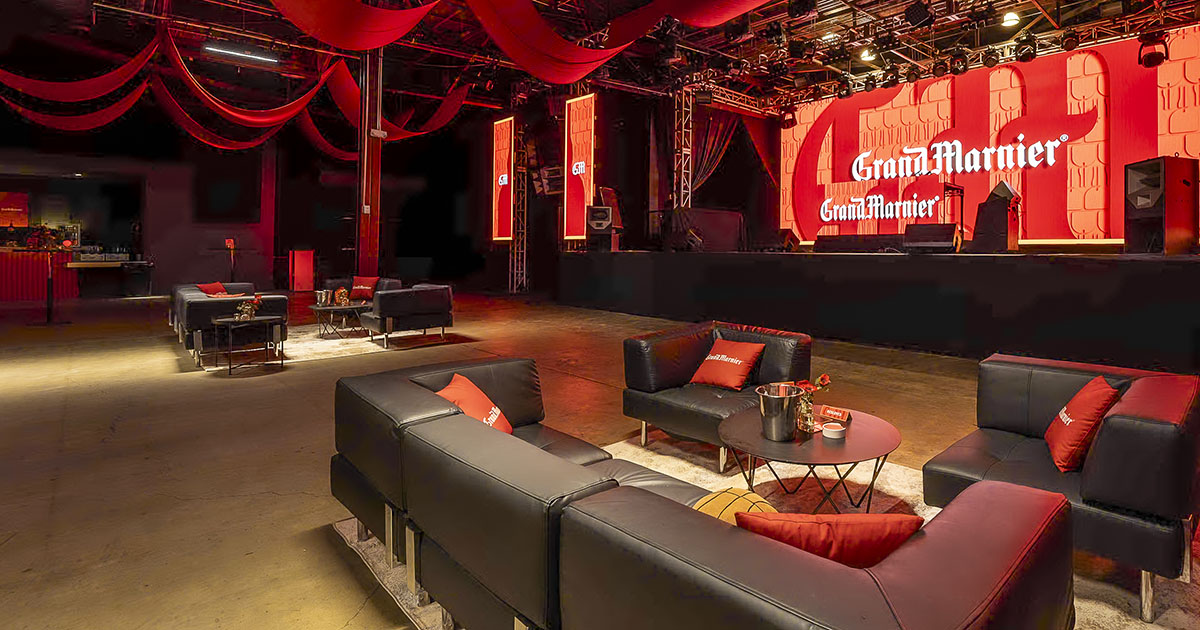
Planning a Large Holiday Celebration in San Francisco?
The Midway can support company-wide holiday events across multiple indoor and outdoor spaces, with in-house production, culinary, and event operations.
RELATED CONTENT