
How to Plan a Company-Wide Holiday Celebration for 1,000+ Guests in San Francisco
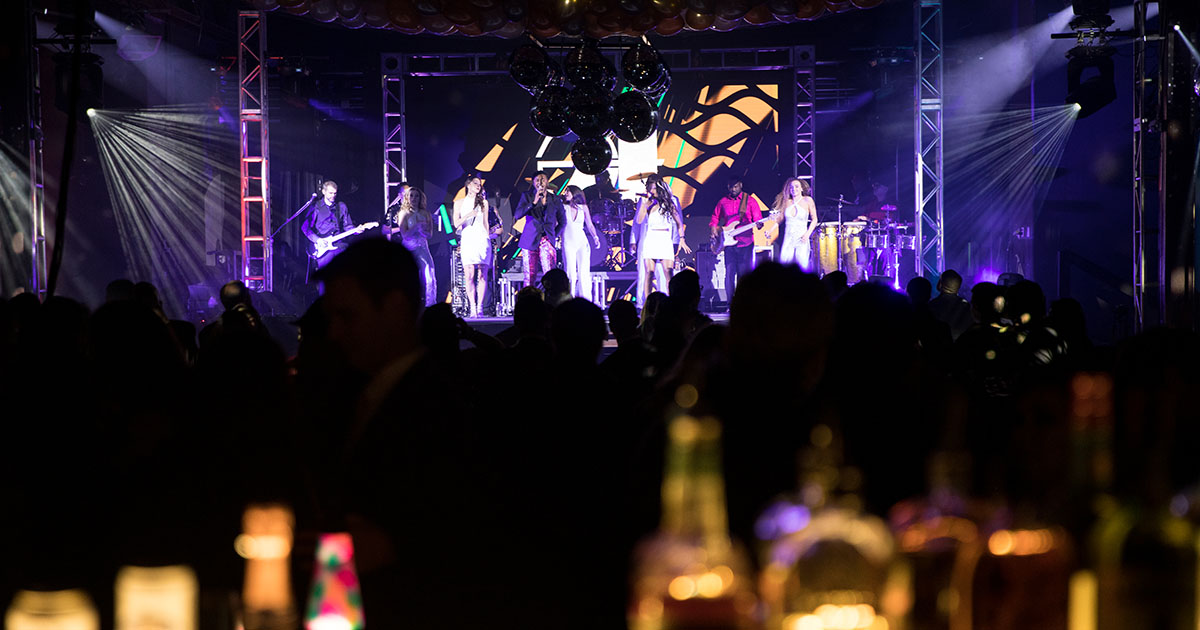
Planning a holiday party for 1,000+ people changes the equation. Finding a venue large enough is the obvious first step, but capacity doesn’t tell you how well the event will actually work once everyone arrives.
At this size, the floor plan, food and beverage service, production, staffing, transportation and schedule all affect one another. A decision that seems minor for 200 people can create a very noticeable problem for 1,000.
The venue should be evaluated accordingly.
Plan the Venue Around the Evening
Start with the event itself. If everyone needs to gather for company remarks or awards, you need a space where 1,000 people can comfortably see and hear the program. If dinner follows, consider where and how it will be served. If the night moves into live music, a DJ, dancing or other entertainment, the floor plan needs to support that transition without requiring a major reset.
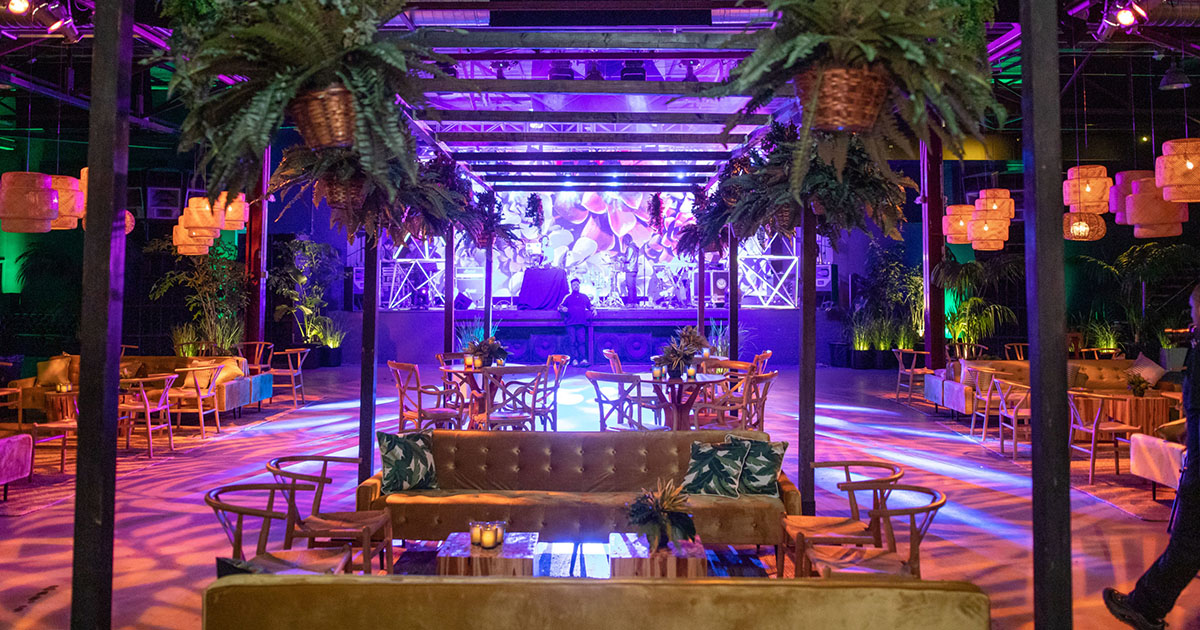
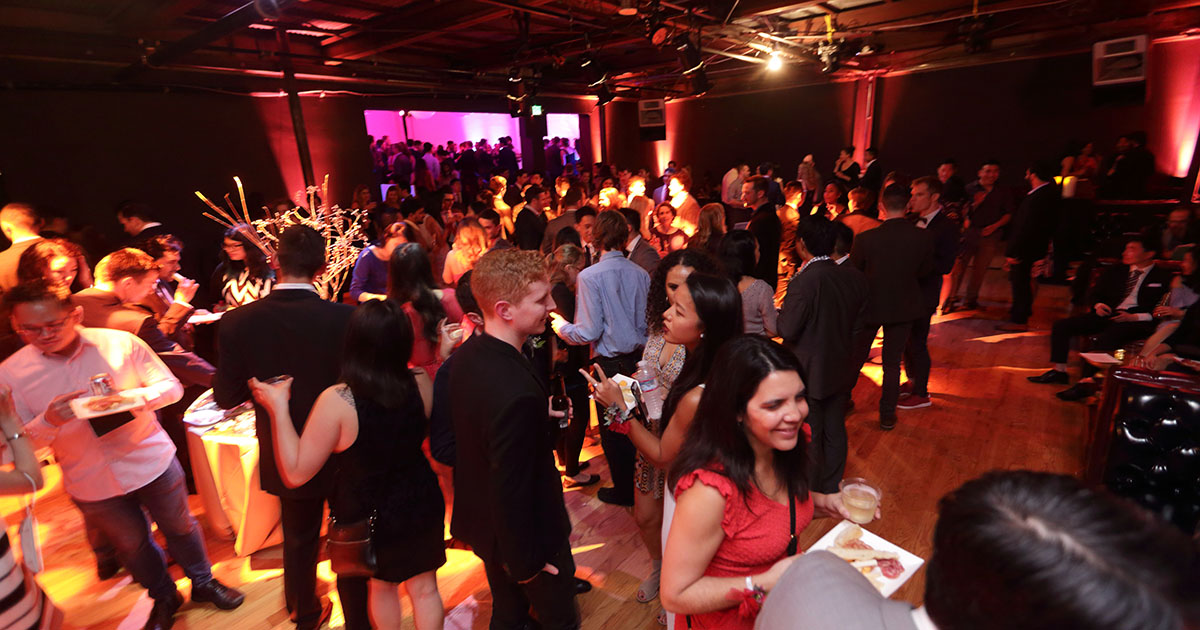
Not everything needs to happen in the same room. In fact, a larger venue can make the evening easier to manage by spreading food, bars, seating and entertainment across several areas. But more space only helps when the rooms work together and guests can move between them easily.
This is why a useful floor plan shows much more than capacity. It should tell you how the evening works from arrival through departure.














































Who Is a Company-Wide Celebration For?
A 1,000+ person holiday celebration can work for any large Bay Area employer bringing together people who don’t often share the same room, from healthcare and biotech to finance, professional services, consumer brands, universities, and other large organizations.
The opportunity is the same: bring a large workforce together once a year and give them something worth showing up for.
Look for the Bottlenecks
With 1,000+ guests, the operational details become much more visible. Check-in, coat check, bars, food stations and restrooms all need enough capacity of their own, particularly at predictable points in the evening.
Food and beverage deserves particular attention. One bar or buffet may work on paper, but distributing service throughout the venue can keep hundreds of people from converging on the same place. The same thinking applies to arrival and departure: guests may arrive gradually, then leave in large numbers immediately after a performance, company program or last call.
Walk through those moments before the event. Where do people naturally gather? Where are lines likely to form? What happens when the main program ends? Where do several hundred coats go, and where are rideshares and shuttles waiting?
At this scale, fixing those problems in the floor plan is much easier than managing them during the event.


Give the Evening Some Range
A company-wide celebration doesn’t need 1,000 people doing the same thing all night.
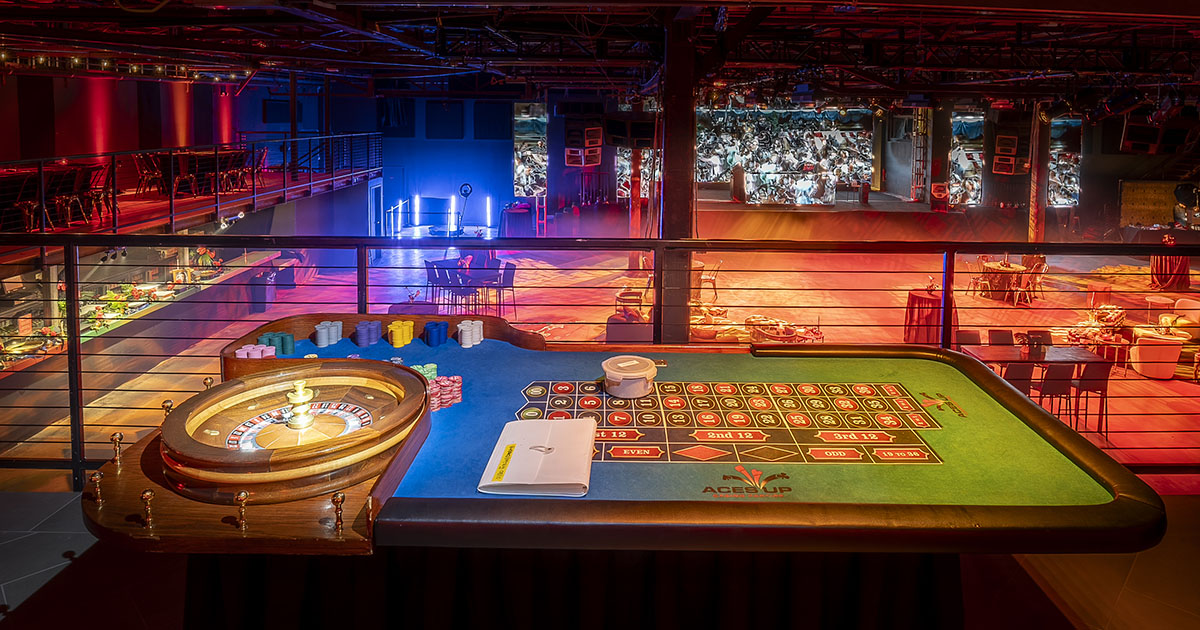
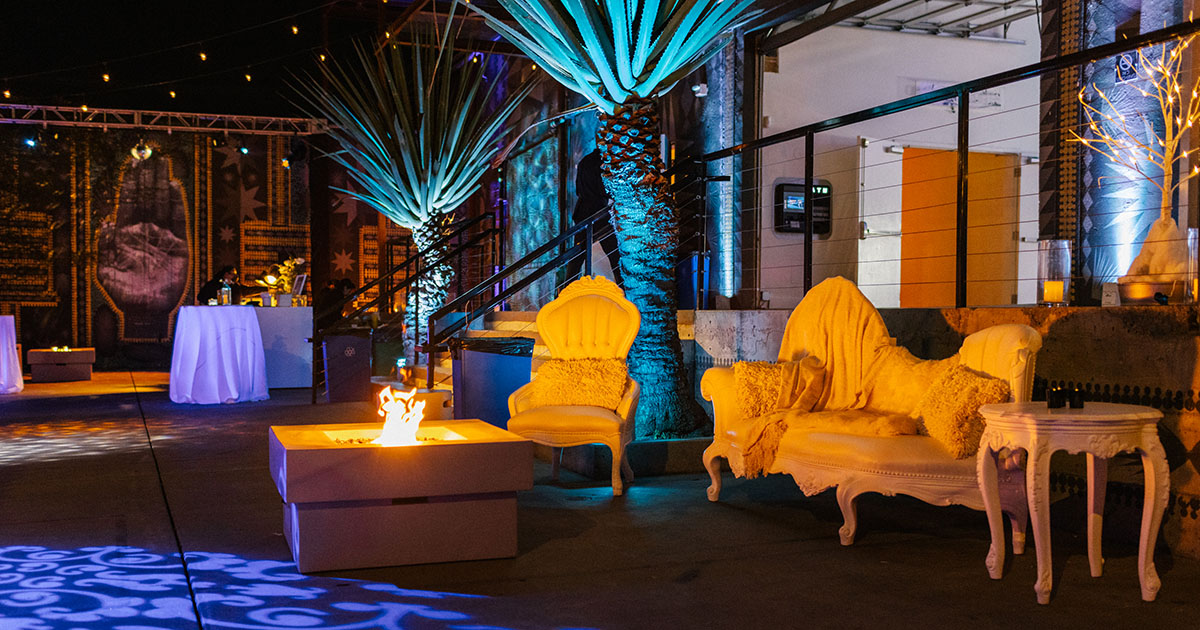
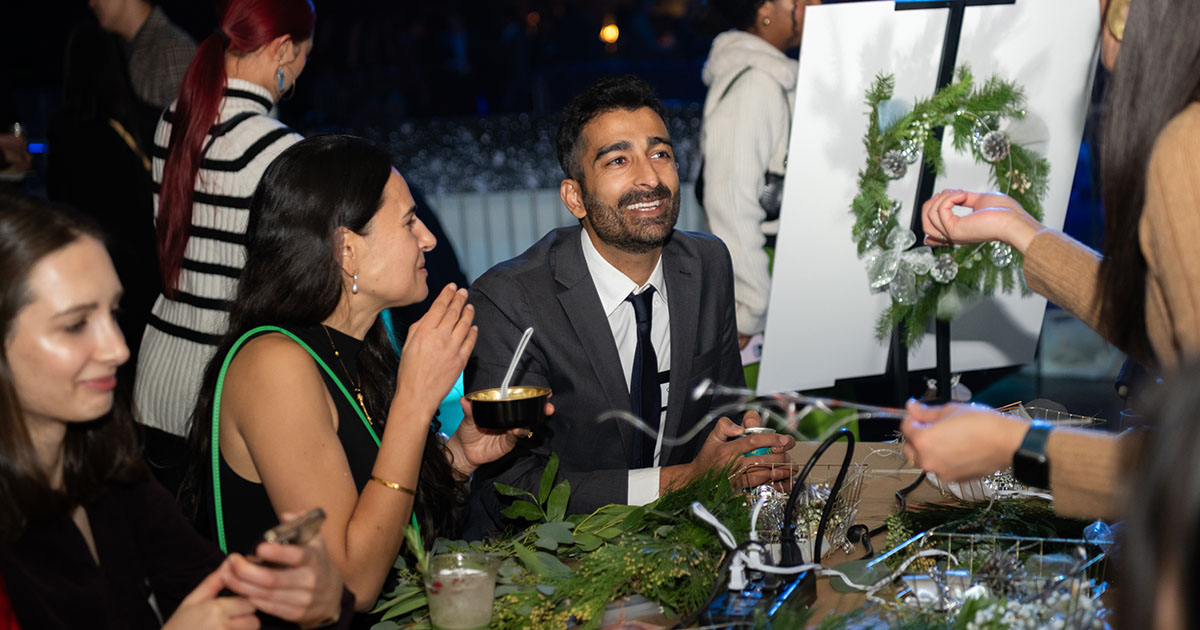
There may be a moment when everyone comes together for remarks, awards or a performance, followed by a more open part of the evening. Dinner can occupy one area while music or dancing happens somewhere else. Bars, lounges, games, installations or smaller performances can give people other places to spend time.
That doesn’t mean every room needs an activation. A comfortable place to sit and talk can be as valuable as another programmed experience, particularly over a four- or five-hour event.
The useful question is what each space contributes to the evening. If there isn’t a reason for guests to use it, adding another room doesn’t accomplish much.

Food and Production Need to Work Across the Event
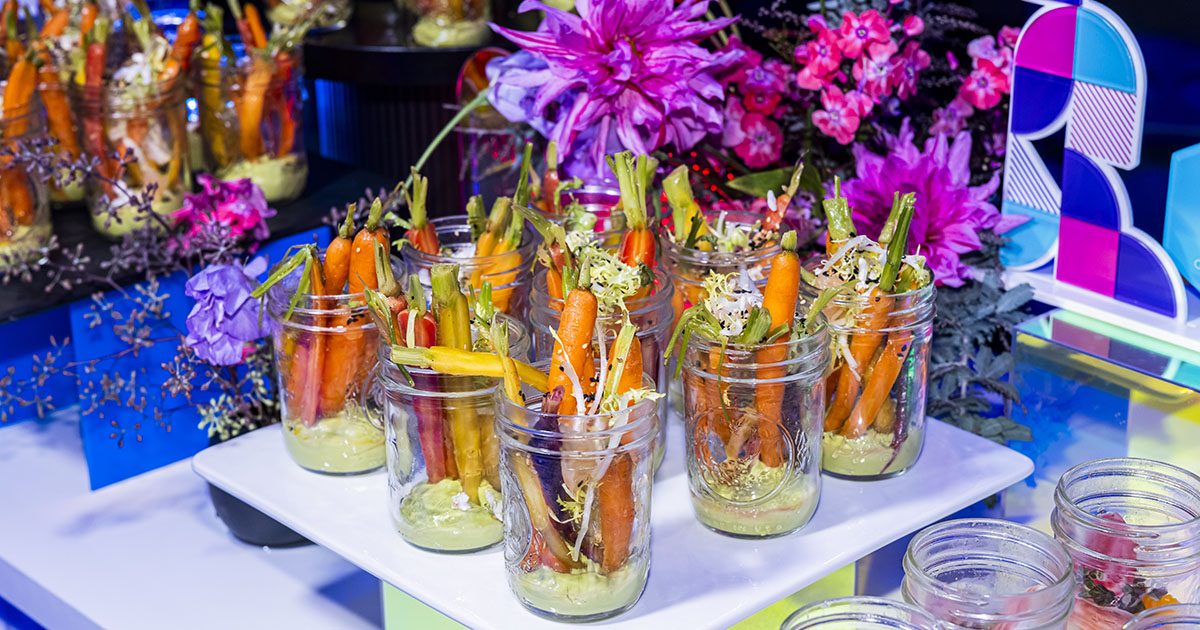
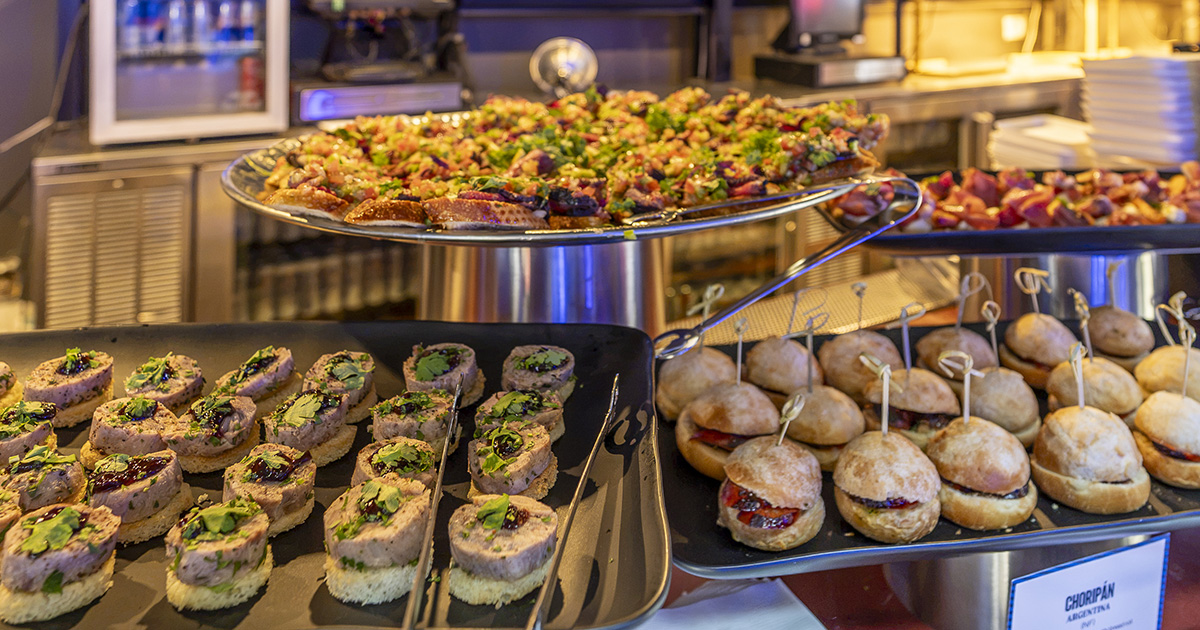
For a celebration this large, food and beverage planning is as much about service as menu. Where the bars are located, how many service points are open, how food is replenished and whether everyone is expected to eat at once can have a major effect on the experience.
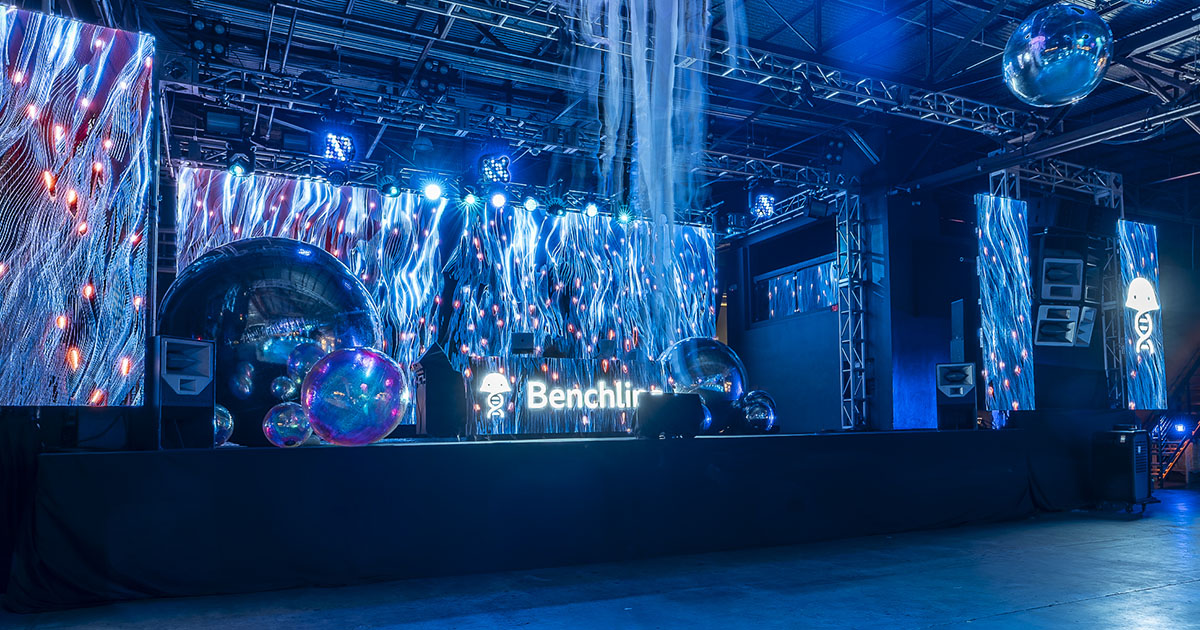
Production works the same way. A large stage and strong sound system may handle the main program, but the event may also need audio, lighting, video and technical support elsewhere. Sightlines matter if the entire company is gathering for remarks. So do the transitions between a presentation, dinner and entertainment.
This is also where existing venue infrastructure becomes valuable. Sound, lighting, staging, screens, power, bars, kitchens and experienced production staff already on site can reduce the amount of equipment and outside coordination required to build the event.
When comparing venues, look beyond the rental fee and ask what it will take to produce the complete night.
Plan for How 1,000 People Get There and Home
Transportation can become one of the largest logistical pieces of a company-wide event in San Francisco, particularly when employees are coming from different offices, hotels or parts of the Bay Area.
Shuttle routes and staging, rideshare pickup and drop-off, parking, pedestrian access and the timing of arrivals should be part of the venue conversation. Departure needs just as much thought. If the headline entertainment ends at 10:30, hundreds of guests may head for coat check, shuttles and rideshares within minutes of one another.
Accessibility should be reviewed across the same journey, including entrances, restrooms, seating, transportation drop-off and routes between event spaces. If the party extends across several rooms or indoor and outdoor areas, those routes need to work for everyone attending.

Choose a Venue That Can Handle the Whole Night
A venue for 1,000+ people has to do more than accommodate the largest moment of the event. It needs to support the program, food and beverage, entertainment, guest movement and the operational work happening behind the scenes.
Ask to see examples of events with a similar attendance and format, not simply events that filled the room. Look at how the venue handled arrival, where food and bars were placed, how the program was staged and how different spaces were used over the course of the evening.
Those examples usually tell you more about whether a venue can handle your event than a capacity chart does.
Planning a Large Holiday Celebration in San Francisco?
The Midway can support company-wide holiday events across multiple indoor and outdoor spaces, with in-house production, culinary, and event operations.
RELATED CONTENT