
Planning a San Francisco Conference Remotely: What to Know Before Booking a Venue
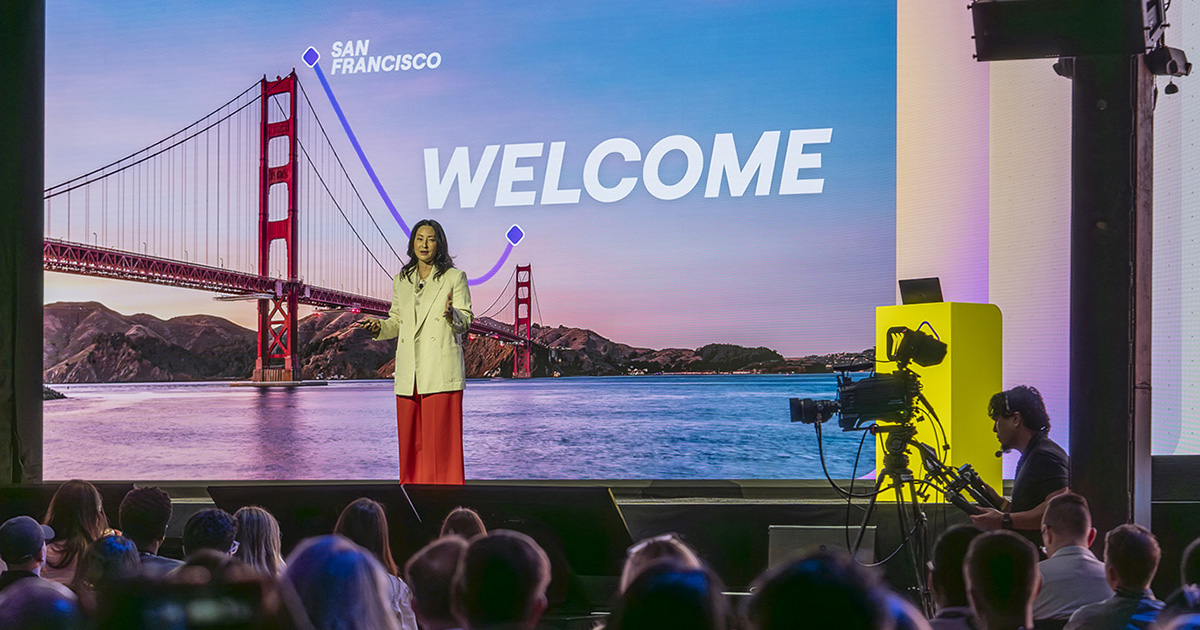
At The Midway, we regularly work with event agencies and corporate teams across the U.S. and internationally to plan conferences in San Francisco. Many of these relationships begin remotely, with venue tours, production discussions and detailed planning taking place well before anyone arrives on-site.
For some events, the planning team visits several times before the conference. For others, much of the venue evaluation and coordination happens over video calls. Miro’s Canvas 26 conference, for example, was booked largely through virtual tours and FaceTime walkthroughs, with only a handful of key people visiting The Midway after the venue had been selected.
We’ve found that the most productive remote planning conversations get into the practical details early: how the event will move between spaces, what production requires, where vendors will work and who will be responsible for coordinating everything locally.
Here are some of the things we recommend reviewing when planning a San Francisco conference from outside the city.
Start With Your Agenda, Not Just the Floor Plan
When an agency first approaches us about a conference, understanding the program is often more useful than starting with a discussion of individual rooms.
For a conference with 500 attendees, we need to consider how the full program will work across the venue, from general sessions and breakouts to sponsor exhibits, private meetings, catering and evening receptions. Understanding how these activities fit together, which spaces they require and when they’ll take place helps us develop a layout that supports the event throughout the day.
For remote planners, we recommend reviewing a preliminary agenda during a live venue walkthrough. This allows us to show how guests would move from registration to the mainstage, where breakout sessions might take place and how catering or sponsor activities could fit around the program.
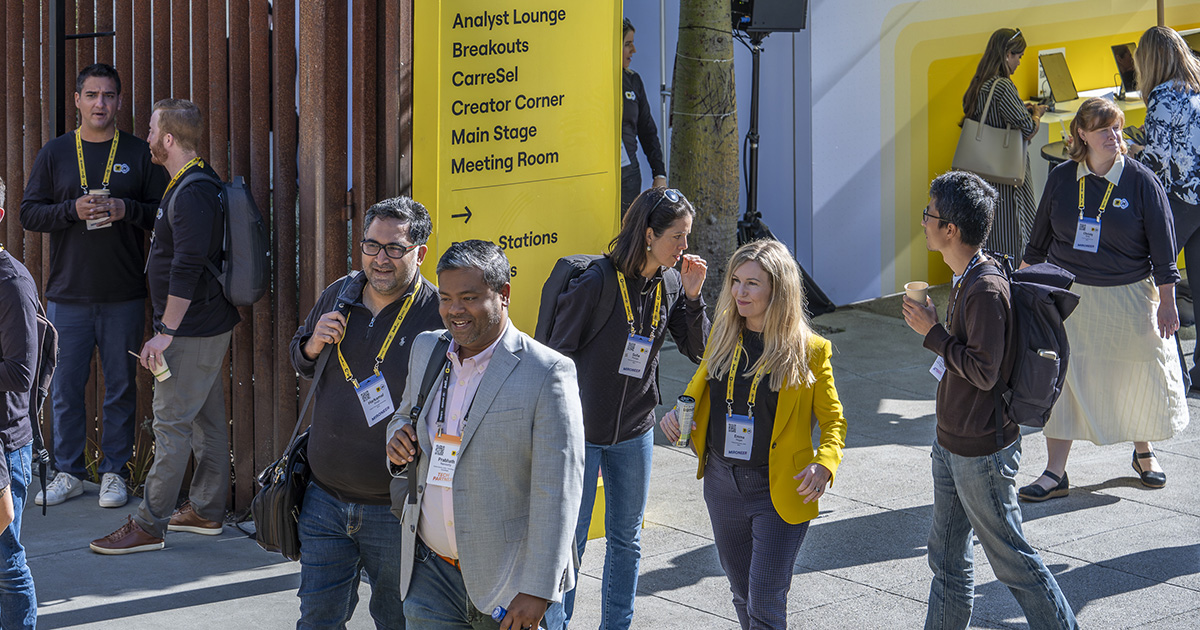
It’s also worth looking at entrances, hallways, restrooms and the routes between spaces. These details are easy to overlook when reviewing photographs but can make a significant difference when several hundred people are moving between sessions.
Bring Your Production Team Into the Conversation Early
We work with events ranging from straightforward corporate presentations to technically demanding product launches and conferences. Production requirements can have a substantial influence on how a venue is configured, and we prefer to discuss them early.
If you’re planning remotely, bring your production partner into the venue conversation before finalizing the booking. A technical walkthrough can cover existing audiovisual systems, staging, lighting, power, internet connectivity and any equipment that will need to be brought in.
We also recommend discussing load-in access, rigging, custom scenic elements and setup schedules. These details may affect the budget, the production timeline or the amount of space required behind the scenes.
The Midway’s background in live entertainment and large-scale corporate production is particularly useful here. Our team is accustomed to working with complex stage builds, demanding technical requirements and events that need to change configurations during the day. Having those conversations directly with the people responsible for production can help resolve questions while the event is still being designed.
Ask to See What Happens Behind the Scenes
During virtual walkthroughs, we also show planners the areas their guests will never see.
Where will sponsor materials be stored before installation? Where can speakers prepare? How will catering staff move between preparation and service areas? If a room needs to change from a seated presentation to a reception, where will the furniture go, and how much time will the reset require?
These are questions we regularly work through with clients, particularly when a conference uses several spaces or includes custom production.
Vendor access is another important consideration. Delivery schedules, equipment staging, freight access and setup times all need to be coordinated, especially when multiple suppliers are working on-site.
We recommend including operational areas in the virtual walkthrough and discussing how they would be used for your particular event. It gives the planning team a more complete picture of what the venue can accommodate and helps establish realistic schedules before production begins.
Know Who You’ll Be Working With on the Ground
Our event team often becomes the local point of contact for agencies managing their conferences from other cities.
At The Midway, our event operations, production and culinary teams work together throughout the planning process. We also coordinate with outside production companies, agencies and vendors, depending on the requirements of the event.
Early conversations should establish who will be responsible for the various parts of the program. Who is managing production? Who is coordinating vendor access and deliveries? Who maintains the event schedule, and how will changes be communicated between teams?
We also encourage planners to discuss how the venue handles adjustments during an event. Schedules change, deliveries run late and room configurations sometimes need to be modified. Understanding who will make decisions and coordinate the response is useful long before those situations arise.
Miro Canvas 26: A Recent Example
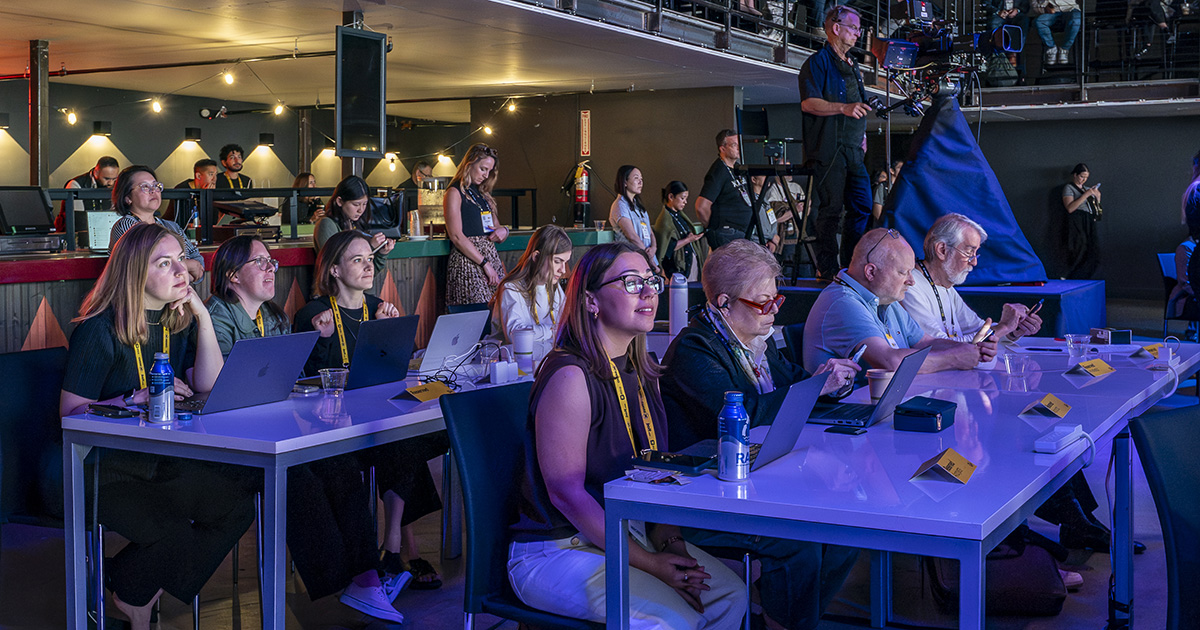
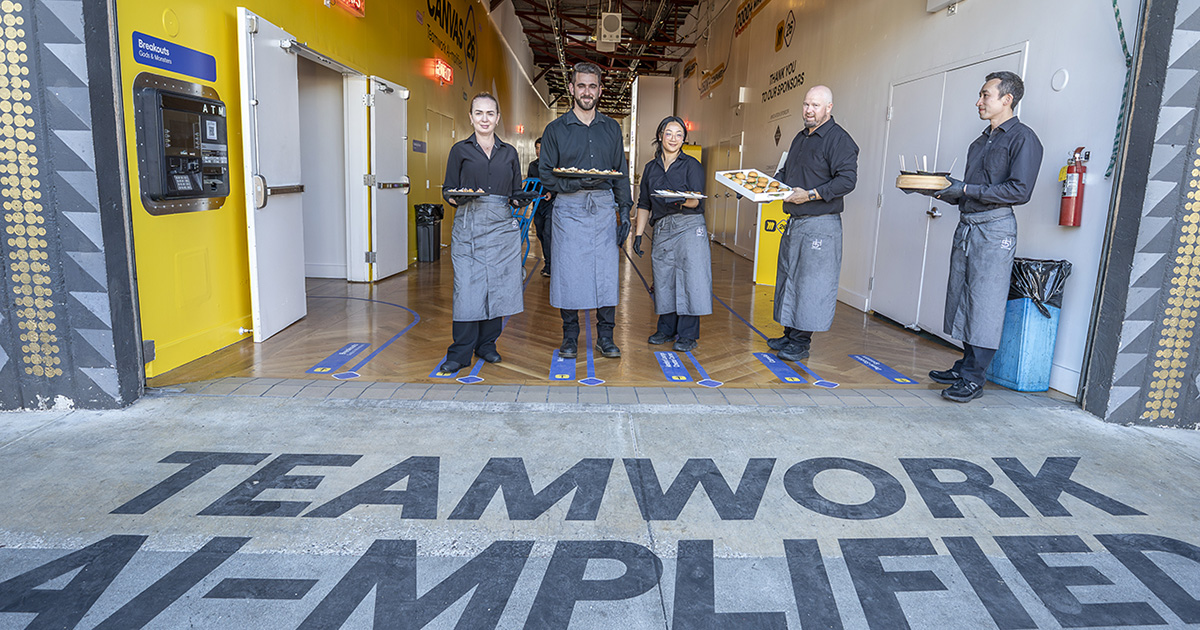
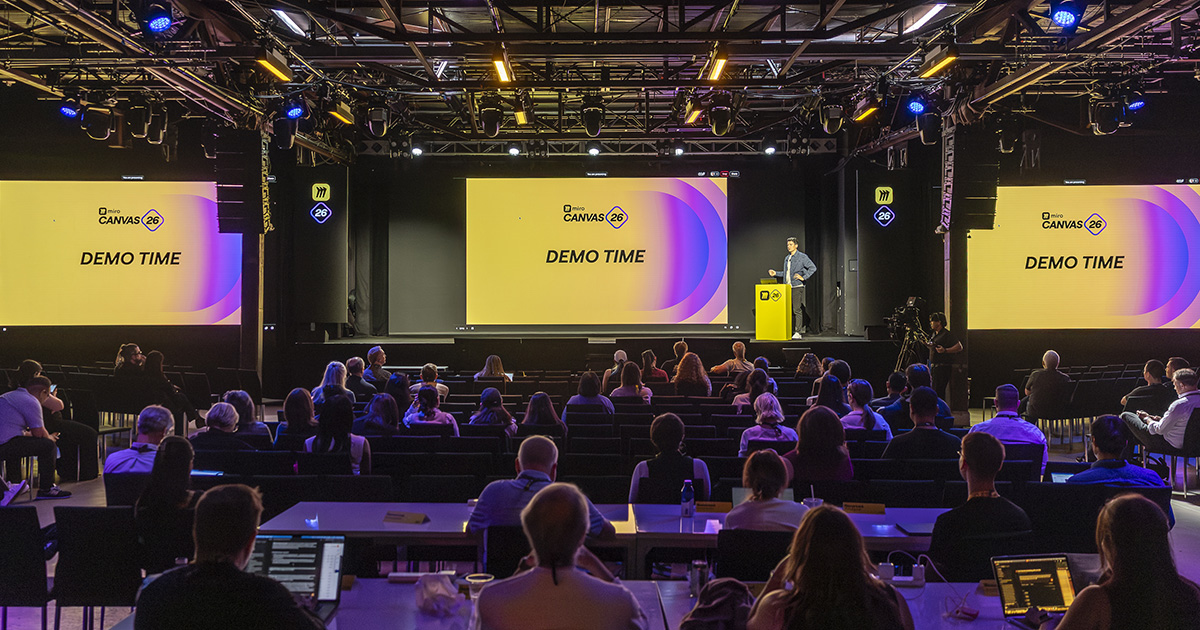
Miro’s Canvas 26 brought approximately 500 attendees to The Midway for presentations, workshops, demonstrations and business meetings across multiple indoor and outdoor spaces.
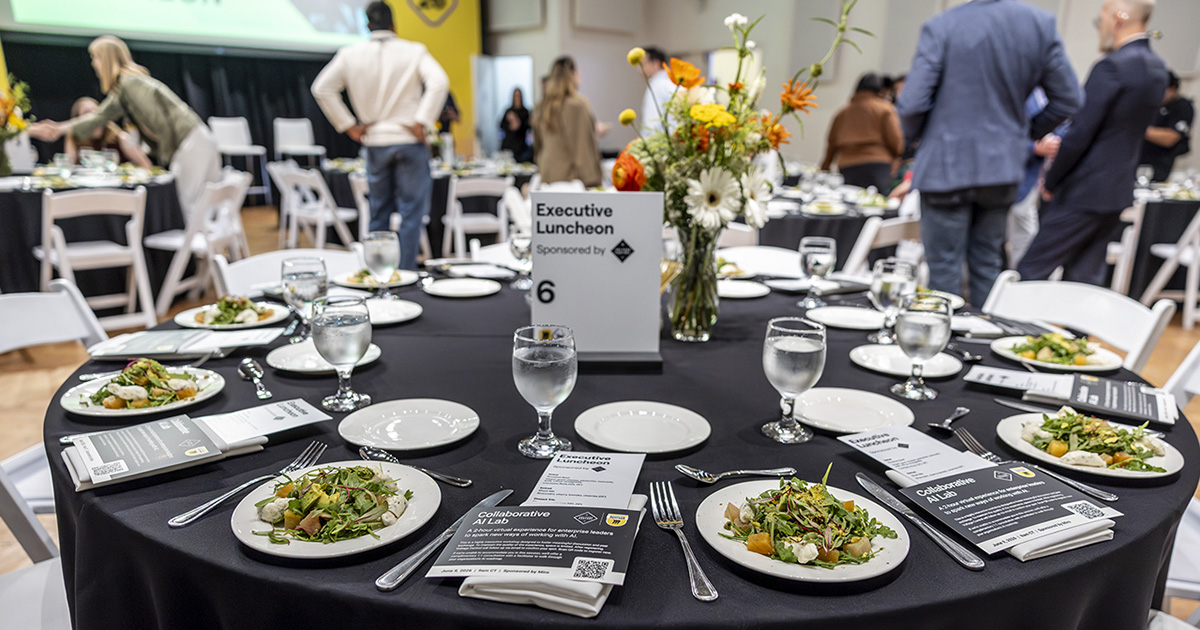
The conference included a permitted street closure accommodating 12 sponsors, food service and activations. Several rooms also served different purposes throughout the day, including CarreSel, which transitioned from a seated luncheon to presentations and later an analyst lounge.
With much of the venue selection and early coordination taking place remotely, the planning team needed to understand how these spaces would work together, including sponsor installations, room changes and attendee circulation.
The conference is a useful example of the level of detail that can be addressed before an organizing team arrives on-site.
Read more about Miro Canvas 26 at The Midway.
Seven Questions We Recommend Asking Before Booking Remotely
Whether you’re evaluating The Midway or another San Francisco conference venue, these are questions worth discussing with the venue team before making a decision.
1. Can we walk through the venue using our proposed agenda?
Ask to see how registration, presentations, breakout sessions, catering and sponsor activities would fit together. Include entrances and circulation areas, not just the main event rooms.
2. Can our production team speak directly with yours?
Review technical specifications, existing equipment, staging, power, internet connectivity and any limitations that could affect the production plan.
3. What space is available for storage, preparation and vendor operations?
Confirm where equipment, furniture, catering supplies and sponsor materials can be accommodated before and during the event.
4. How would you manage simultaneous programming or room changes?
Discuss turnaround times, staffing, sound separation and any scheduling restrictions that may affect the agenda.
5. Who will coordinate the venue’s departments and our outside vendors?
Establish responsibilities for production, catering, security, deliveries and event-day operations, along with the main points of contact.
6. Have you hosted conferences with similar requirements?
Ask about events with comparable attendance, production complexity or room configurations. Examples from previous conferences can be especially useful when evaluating a venue remotely.
7. What should we inspect in person before the event?
Some technical and operational details may still warrant an on-site visit. Identify those requirements early and schedule any final inspections with enough time to adjust the production plan.


















































Planning a San Francisco Conference From Out of Town?
Our team works with event agencies and corporate planners across the U.S. and internationally. Contact us to discuss your event, review potential layouts and arrange a virtual walkthrough of The Midway.
RELATED CONTENT