
Top 10 Things Corporate Event Planners Look For in an Event Space
San Francisco Event Space News | Updated August 23, 2026

Corporate Event Venue & Event Space in San Francisco
The Midway is a large-scale corporate event venue in San Francisco designed for conferences, company meetings, product launches, AI and technology events, experiential activations, networking receptions, corporate celebrations, and other ambitious live events.
With multiple indoor and outdoor event spaces, flexible layouts, built-in production infrastructure, professional AV capabilities, hospitality services, and an experienced event team, The Midway gives companies and event planners the flexibility to create everything from focused corporate gatherings to complex, multi-space events.
Unlike a traditional hotel ballroom or single-room event space, The Midway operates as a flexible event campus. Keynotes, breakout sessions, demonstrations, sponsor activations, food and beverage, networking, entertainment, and after-parties can all take place within the same venue.
Located in San Francisco, The Midway has become a destination for companies, agencies, conference organizers, technology communities, and corporate event planners looking for an event space capable of supporting memorable experiences at scale.
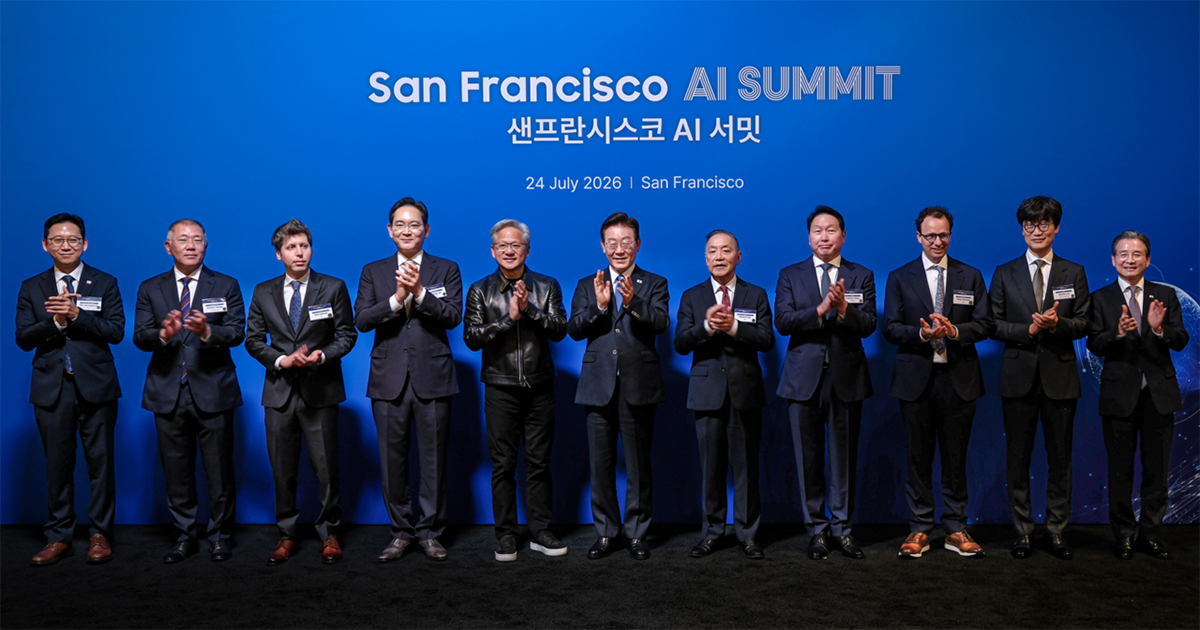
Top 10 Things to Look for in a Corporate Event Venue
When comparing corporate event venues and event spaces, planners typically evaluate these 10 areas:
- Location: Easy access for attendees, vendors, hotels, transportation, and nearby conference destinations.
- Capacity: Enough space for the audience, programming, production, and attendee flow.
- Flexible Layouts: Spaces that can support keynotes, breakouts, networking, dining, demonstrations, and entertainment.
- AV and Production: Built-in sound, lighting, video, staging, power, and technical support.
- Technology: Reliable Wi-Fi, connectivity, presentation systems, livestreaming, and event technology.
- Guest Experience: An environment that supports the brand, audience, and purpose of the event.
- Food and Beverage: Flexible hospitality options for meals, receptions, bars, and networking.
- Event Operations: Experienced staff, security, loading access, vendor coordination, and event-day support.
- Total Cost: Clear pricing across venue rental, staffing, production, catering, security, and other services.
- Proven Experience: A track record hosting corporate events similar in size, complexity, and format.
A Flexible Corporate Event Venue for Conferences, Meetings and Experiences
Corporate events rarely fit into a single format. A conference may begin with registration and a keynote, move into breakout sessions and demonstrations, transition into networking and food service, and finish with entertainment or an after-party.
The Midway’s flexible indoor and outdoor event spaces allow planners to build the venue around the needs of the event rather than forcing the event into a predetermined ballroom or meeting-room layout.
Companies, agencies, and event organizers use The Midway for:
- Corporate conferences and summits
- AI and technology events
- Company meetings and all-hands events
- Product launches
- Brand activations and experiential events
- Executive and client gatherings
- Networking receptions
- Corporate parties and celebrations
- Conference satellite events
- Awards programs and presentations
- Dinners and hospitality events
- After-parties and entertainment
Multiple spaces can support different parts of a program simultaneously or allow an event to evolve naturally throughout the day. This flexibility is especially useful for conferences, experiential events, technology gatherings, and programs that combine presentations, demonstrations, hospitality, and entertainment.
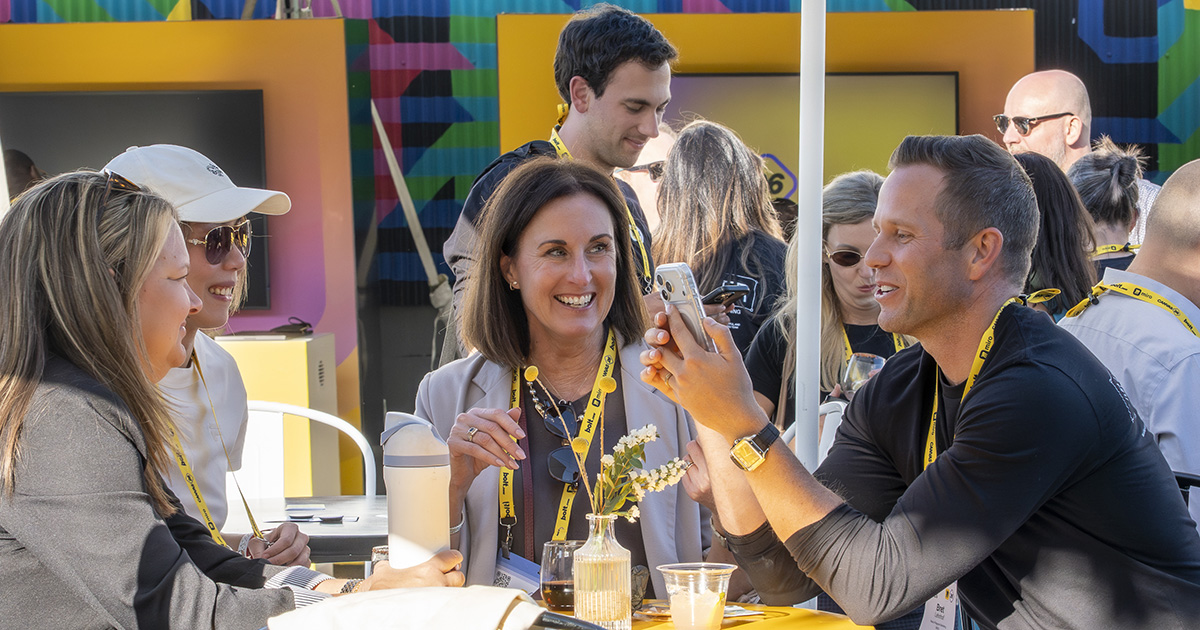
Corporate Event Spaces at The Midway
A strong corporate event space needs to do more than accommodate a guest count. It needs to support how attendees move, gather, learn, network, eat, interact with brands, and experience the event.
The Midway’s campus-style environment provides multiple indoor and outdoor spaces that can be used independently or combined as part of a larger event program. This gives planners the ability to create distinct environments for keynotes, breakout sessions, demonstrations, sponsor activations, dining, networking, entertainment, and other event functions.
Instead of moving attendees between unrelated venues, planners can create different experiences within a single destination. A large presentation can transition into smaller conversations, food and beverage, product demonstrations, networking, and evening entertainment without requiring guests to leave the property.
This makes The Midway particularly well suited for multi-stage corporate events, conferences, AI events, product launches, experiential events, brand activations, and large company gatherings.
Built-In AV, Production and Event Infrastructure
Corporate events increasingly depend on sophisticated technology and production. Presentations, lighting, video, sound, livestreaming, demonstrations, entertainment, sponsor installations, and branded environments all place different demands on a venue.
The Midway combines flexible event spaces with substantial built-in event and production infrastructure, helping planners reduce the amount of temporary infrastructure that needs to be brought into the venue.
Depending on the event configuration, production needs may include:
- Professional audio systems
- Lighting infrastructure
- Video and projection
- Stages and presentation areas
- High-speed internet and connectivity
- Power distribution
- Bars and food service
- Green rooms and backstage areas
- Loading and production access
- Experienced event and production staff
For planners producing technically complex events, having infrastructure already integrated into the venue can simplify planning, reduce vendor coordination, and help production teams execute more efficiently.
A San Francisco Corporate Event Venue Proven at Scale
One of the most important factors when evaluating a corporate event venue is whether the venue has successfully hosted events similar to the one you’re planning.
The Midway has hosted conferences, technology gatherings, AI events, corporate meetings, experiential programs, product-focused events, networking receptions, large-scale gatherings, and entertainment-driven corporate experiences.
That experience matters because complex corporate events involve more than a room and a stage. They require coordination between event planners, production teams, vendors, security, hospitality, speakers, sponsors, exhibitors, and venue operations.
A venue team accustomed to supporting large and technically sophisticated events can anticipate logistical challenges, understand production requirements, and help planners determine how different parts of an event should work together.
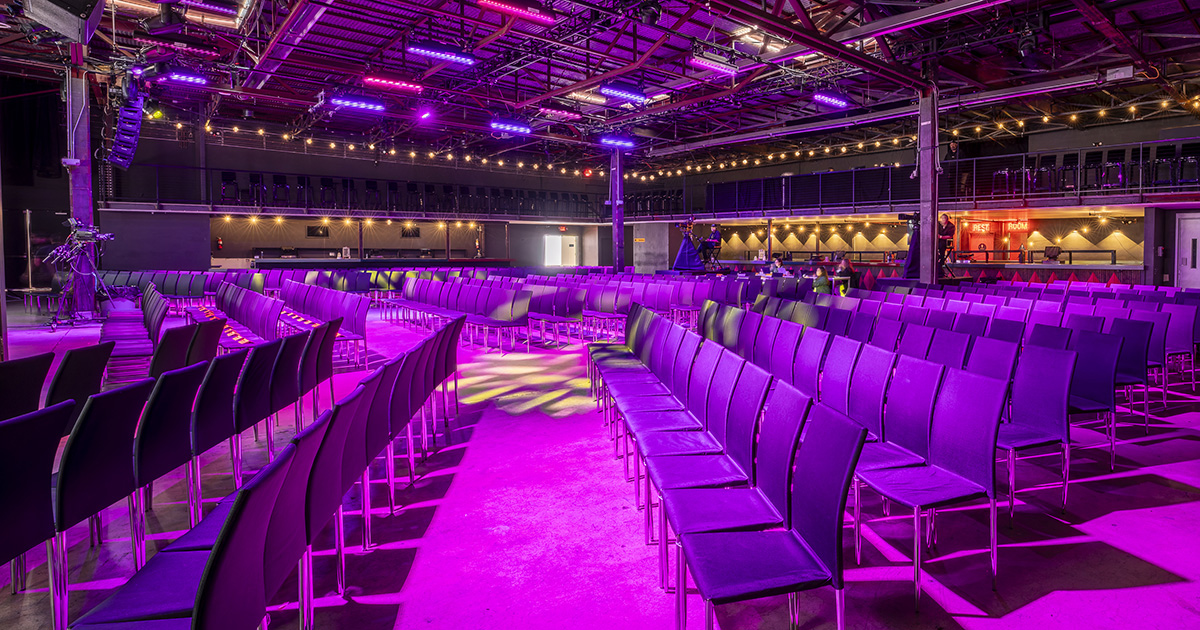
Why Companies Choose Flexible Corporate Event Spaces
Today’s corporate events are becoming more experiential. Attendees may spend part of the day watching presentations, another part exploring demonstrations or sponsor activations, and the evening networking over food, cocktails, music, or entertainment.
This has changed what event planners look for in a venue.
Instead of simply asking whether a room is large enough, planners increasingly ask whether the venue can support the entire event journey.
That includes:
- Arrival and registration
- Keynotes and presentations
- Breakout programming
- Product demonstrations
- Sponsor activations
- Food and beverage
- Networking
- Outdoor experiences
- Entertainment
- Evening receptions and after-parties
A flexible venue gives planners more freedom to design these experiences around the audience, brand, and goals of the event.
Top 10 Things Corporate Event Planners Look for in an Event Space in 2026
Choosing the right corporate event space can have a major impact on attendance, engagement, production quality, and the overall success of an event. For planners organizing events in San Francisco and other major cities, venue selection now goes far beyond finding a room large enough for the guest list.
Corporate event planners, experiential agencies, marketing teams, and HR leaders increasingly look for venues that can support the complete event experience: keynote presentations, breakout sessions, networking, food and beverage, brand activations, entertainment, technology, and attendee flow.
Whether you’re planning a corporate conference, AI event, product launch, company meeting, brand activation, networking reception, or company party, these are 10 of the most important things to consider when evaluating a corporate event venue.
1. Location and Transportation
Location remains one of the first things corporate event planners evaluate when choosing an event space.
The ideal venue should be convenient for attendees while also supporting the logistics required to produce the event. Planners should consider public transportation, rideshare pickup and drop-off, parking, nearby hotels, airports, restaurants, nightlife, and major conference destinations.
In San Francisco, proximity to downtown, Moscone Center, hotels, and major transportation routes can be especially important for conferences and multi-day events.
Being directly beside a convention center isn’t always necessary. For large conferences, satellite events, networking receptions, and after-parties, planners may prefer a destination venue that gives attendees a different experience while remaining accessible from the primary conference.
A strong location reduces friction for guests, vendors, speakers, and production teams and can help improve attendance and the overall guest experience.
2. Capacity and Attendee Flow
Capacity isn’t simply the maximum number of people allowed inside a venue.
Event planners need to understand how comfortably a space accommodates their expected attendance for the particular type of event they’re producing.
A venue configured for a seated keynote operates very differently from the same venue configured for a reception, product showcase, conference, dinner, or company celebration.
Planners should consider:
- Seated and standing capacities
- Registration and entrance areas
- Mainstage audience capacity
- Breakout spaces
- Networking areas
- Food and beverage service
- Restroom capacity
- Back-of-house and production areas
- Guest movement between spaces
Attendee flow is particularly important at large corporate events. Bottlenecks at entrances, bars, restrooms, food stations, or transitions between sessions can quickly affect the guest experience.
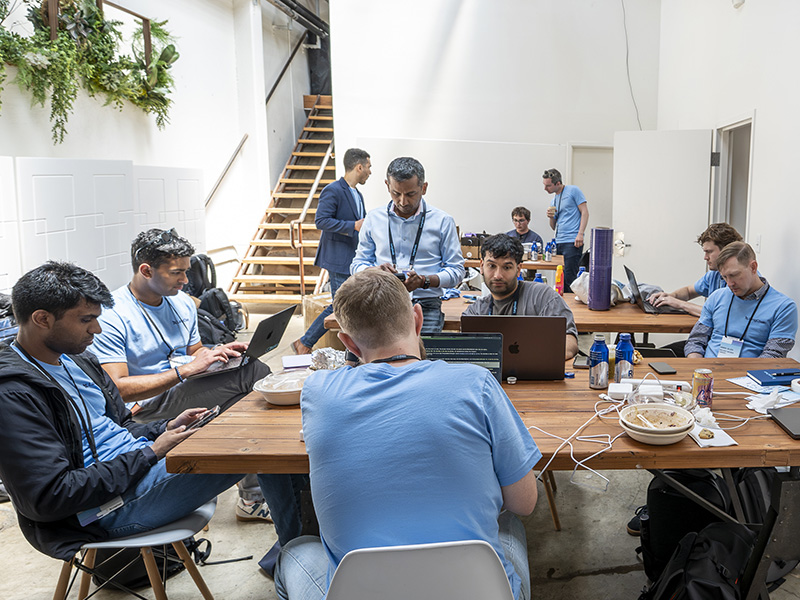
3. Flexible Event Spaces and Layouts
Modern corporate events are rarely one-dimensional.
A single event may include registration, a keynote, panel discussions, demonstrations, workshops, networking, dining, entertainment, and an after-party.
That makes flexible event layouts increasingly important.
Planners look for venues with adaptable floor plans, multiple rooms or event zones, indoor-outdoor spaces, breakout areas, and the ability to transform spaces as the event progresses.
A flexible venue can allow attendees to move naturally from a morning keynote to afternoon sessions, networking, dinner, and an evening reception without leaving the property.
This is particularly valuable for conferences, experiential events, AI events, product launches, and multi-stage programs where several activities may happen simultaneously.
Experienced event planners increasingly evaluate venues as an entire event environment rather than simply a collection of rooms.
4. Built-In Production, Amenities and Event Services
One of the biggest differences between corporate event venues is how much event infrastructure already exists on-site.
Planners increasingly look for venues that can provide or support:
- Professional audio systems
- Lighting infrastructure
- Video and projection
- Stages and presentation areas
- High-speed internet
- Power distribution
- Bars and food service
- Green rooms
- Loading and production access
- Experienced event and production staff
A venue with substantial built-in infrastructure can reduce the number of outside vendors required and simplify both planning and event-day execution.
It can also make ambitious events easier to produce because the venue team already understands how the building, technology, and production systems work together.
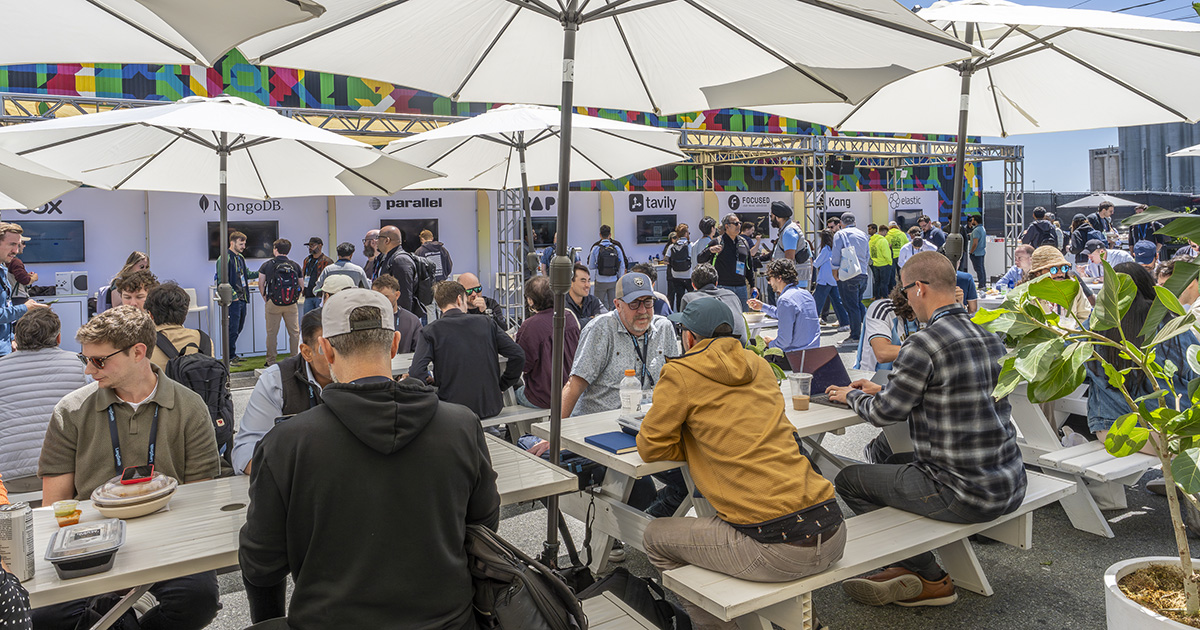
5. Atmosphere, Brand Fit and Guest Experience
The venue becomes part of the event’s identity.
Guests don’t experience a corporate event as separate pieces of programming, catering, design, and architecture. They experience everything together.
That means planners increasingly consider whether a venue’s atmosphere supports the company, audience, and purpose of the event.
A product launch may require a dramatic environment that can be transformed around a brand. An executive meeting may require quieter, more controlled spaces. A technology conference may need large presentation environments alongside areas designed for demos, conversations, and networking.
Distinctive venues can also help events feel less generic.
When attendees want to photograph the space, explore it, share it socially, and stay after the formal programming ends, the venue is contributing directly to the event experience.
6. Technology, AV and Connectivity
For modern corporate events, technology is infrastructure rather than an optional amenity.
Conferences, AI events, product launches, company meetings, and hybrid programs may require sophisticated audio, lighting, video, presentation, streaming, and connectivity systems.
Planners should evaluate:
- Internet bandwidth and Wi-Fi capacity
- Audio systems
- Projection and LED capabilities
- Stage lighting
- Livestreaming capabilities
- Hybrid event support
- Power requirements
- Technical staffing
For technology-focused events in particular, reliable connectivity is essential. Hundreds or thousands of attendees may be using devices simultaneously while presenters, exhibitors, production teams, and livestream systems are also consuming bandwidth.
Ask venues about both their technology infrastructure and the people available to support it.
7. Safety, Security and Event Operations
Safety is a fundamental part of professional event planning.
Planners should understand how a venue handles security, emergency procedures, crowd management, controlled access, fire and life-safety requirements, and coordination with event staff.
For large events, additional considerations can include credentialing, VIP access, backstage security, loading areas, bag policies, and managing separate attendee and production entrances.
The best corporate event venues don’t simply provide a building. They have operational experience managing complex events, production teams, vendors, and large groups of people.
8. Total Event Cost and Budget Transparency
The rental price is only one part of the cost of an event venue.
A lower venue rental can sometimes become considerably more expensive once production, equipment, staffing, security, catering, rentals, internet, and other services are added.
Corporate event planners therefore evaluate the total cost of producing the event.
Important questions include:
- What production infrastructure is included?
- What equipment must be rented separately?
- Are there required vendors?
- What staffing is included?
- Are there minimum food and beverage commitments?
- Are setup and breakdown hours included?
- What are the overtime charges?
- Are there additional security, cleaning, or service fees?
Transparent pricing allows planners to compare corporate event spaces based on total event value rather than simply the initial rental quote.
9. Proven Experience With Similar Corporate Events
A beautiful venue isn’t necessarily an experienced corporate event venue.
Planners should look closely at the types of events a venue has actually hosted.
Has the venue successfully handled conferences? Product launches? Executive meetings? Large-scale company gatherings? Experiential activations? Networking events?
Case studies, event photography, testimonials, client examples, and previous events can all provide valuable evidence.
Experience becomes even more important as events become technically or operationally complicated.
A venue team that regularly works with production companies, experiential agencies, technology companies, conference organizers, and corporate event planners will often anticipate challenges before they become problems.
10. Accessibility and Inclusive Event Design
Accessibility should be considered from the beginning of event planning rather than added later.
Planners should evaluate accessible entrances, pathways, restrooms, seating areas, stages, elevators where needed, and navigation throughout the venue.
Inclusive planning can also include dietary accommodations, gender-neutral facilities, quiet spaces, clear signage, captioning, and other considerations based on the audience and event.
The goal is to create an environment where as many attendees as possible can comfortably participate in the complete event experience.
What Questions Should You Ask Before Booking a Corporate Event Venue?
Before signing a venue agreement, ask questions that reveal how the space will actually perform during your event.
- What are the seated and standing capacities for each space?
- Can multiple event programs happen simultaneously?
- What AV and production equipment is already installed?
- What internet capacity is available for attendees and production?
- What catering and bar options are available?
- Which outside vendors are permitted?
- How early can production teams load in?
- Are breakout rooms or secondary spaces available?
- What accessibility features does the venue provide?
- What security and event staffing are required?
- What happens if the event runs overtime?
- What costs aren’t included in the initial venue quote?
Getting clear answers to these questions makes it much easier to compare venues on an apples-to-apples basis.
What Makes a Good Corporate Event Venue in San Francisco?
A good corporate event venue in San Francisco combines location, capacity, flexible event spaces, technology, production infrastructure, hospitality, and experienced event operations.
For conferences and large corporate events, planners should also think beyond the main program. Networking, food and beverage, demonstrations, sponsor activations, breakout sessions, entertainment, and after-hours experiences all require space.
This is one reason campus-style and multi-space venues can be particularly useful for complex corporate events.
The Midway in San Francisco combines multiple indoor and outdoor event spaces with built-in production capabilities and a flexible campus environment. The venue can support conferences, AI and technology events, product launches, experiential activations, company gatherings, networking receptions, entertainment, and after-parties.
The most important question isn’t simply, “How many people does this venue hold?”
It’s whether the venue can support the entire experience you’re trying to create.
Corporate Event Venue Checklist
When comparing corporate event venues and event spaces, evaluate these 10 areas:
- Location: Is it easy for attendees, vendors, and production teams to reach?
- Capacity: Does it comfortably accommodate your audience and programming?
- Flexibility: Can the venue support multiple layouts and event formats?
- Infrastructure: What AV, production, hospitality, and event services are already available?
- Atmosphere: Does the venue support your brand and desired guest experience?
- Technology: Can its connectivity and production systems support your event?
- Safety: Does the venue have experienced security and operational procedures?
- Budget: What is the true all-in cost?
- Experience: Has the venue successfully produced events similar to yours?
- Accessibility: Can attendees comfortably participate throughout the venue?
Choosing a corporate event venue isn’t simply about finding an available space. It’s about finding a venue capable of becoming part of the event itself.
Frequently Asked Questions About Corporate Event Venues in San Francisco
What is a corporate event venue?
A corporate event venue is a space designed to host company meetings, conferences, product launches, networking events, brand activations, corporate celebrations, executive gatherings, and other business events. The best corporate venues combine flexible space with technology, production capabilities, hospitality, and experienced event operations.
What should I look for in a corporate event venue?
Look for a combination of location, capacity, flexible layouts, AV and production infrastructure, reliable connectivity, food and beverage capabilities, experienced event staff, accessibility, and a venue environment that fits your company’s brand and event objectives.
How do I choose the right corporate event space in San Francisco?
Start with your event goals, attendance, format, production requirements, and budget. Then compare San Francisco venues based on capacity, attendee flow, transportation access, technology, breakout spaces, hospitality, vendor policies, and their experience producing events similar to yours.
Can one corporate event venue host a conference and an after-party?
Yes. Multi-space venues can allow planners to transition from daytime conferences, presentations, and breakout sessions into networking, dining, entertainment, and after-parties without moving attendees to another property.
What types of corporate events can The Midway host?
The Midway can support corporate conferences, AI and technology events, company meetings, all-hands gatherings, product launches, brand activations, experiential events, networking receptions, corporate celebrations, conference satellite events, presentations, dinners, and after-parties.
Why are flexible event spaces important for corporate events?
Flexible spaces allow planners to create different environments for presentations, breakout sessions, demonstrations, dining, networking, sponsor activations, and entertainment. They also make it easier for an event to change format as the program progresses.
Why is built-in AV and production infrastructure important?
Built-in production infrastructure can simplify event planning, reduce the amount of temporary equipment required, and make it easier to coordinate sound, lighting, video, staging, connectivity, presentations, and entertainment.
Is The Midway suitable for large or complex corporate events?
Yes. The Midway’s multiple indoor and outdoor event spaces, production infrastructure, flexible layouts, and campus-style environment make it well suited for corporate events with multiple program elements, audiences, production requirements, and simultaneous activities.
What makes The Midway different from a hotel ballroom?
The Midway offers a multi-space event environment rather than a traditional single ballroom format. Its indoor and outdoor spaces can support presentations, networking, demonstrations, sponsor activations, hospitality, entertainment, and other experiences within the same venue.
Where is The Midway located?
The Midway is located in San Francisco and serves companies, agencies, conference organizers, technology communities, and event planners producing corporate events throughout the city and Bay Area.
Frequently Asked Questions About Choosing a Corporate Event Venue
What should I look for in a corporate event venue?
Look for the right combination of location, capacity, flexible layouts, technology, production capabilities, accessibility, and experienced event support. The best corporate event venues make logistics easier while improving the attendee experience.
How do I choose the right event space for my company?
Start with your event goals, expected attendance, programming, production needs, and budget. Then compare venues based on location, layout flexibility, technology, food and beverage, accessibility, and experience hosting similar corporate events.
Why is location important for corporate events?
Location affects attendance, transportation, vendor logistics, and the overall guest experience. A strong venue should be easy to reach by public transportation and rideshare and reasonably convenient to hotels, restaurants, conference centers, and other destinations attendees may be using.
How much space do I need for a corporate event?
Space requirements depend on both guest count and event format. In addition to the main audience area, consider registration, networking, breakout sessions, food and beverage, sponsor activations, production equipment, and attendee circulation.
What are the most important amenities in a corporate event venue?
Important amenities typically include high-speed internet, professional AV, lighting, staging, power, food and beverage service, bars, restrooms, loading access, green rooms, and experienced event and production staff.
How important is technology when choosing an event venue?
Technology is essential for modern conferences, meetings, AI events, and product launches. Reliable Wi-Fi, professional audio and video systems, presentation capabilities, livestreaming support, sufficient power, and on-site technical expertise can directly affect event success.
What makes a venue good for networking events?
Good networking venues provide multiple comfortable gathering areas and encourage natural movement between spaces. Open layouts, bars, lounges, indoor-outdoor areas, and places for smaller conversations can help attendees connect more easily.
How can I stay within budget when booking an event venue?
Compare the total cost of producing the event rather than just the venue rental fee. Include AV, equipment rentals, catering, staffing, security, cleaning, internet, setup time, breakdown time, and overtime when comparing venues.
Why does a venue’s experience with corporate events matter?
Experienced corporate event venues understand production schedules, vendor coordination, attendee flow, security, technology, and last-minute changes. Reviewing previous events, case studies, testimonials, and event photography can help determine whether a venue has handled programs similar to yours.
What should I consider for accessibility and inclusive event design?
Evaluate accessible entrances, pathways, restrooms, seating, stages, elevators where needed, and navigation throughout the venue. Depending on the event, inclusive planning may also include dietary options, captioning, gender-neutral facilities, quiet areas, and clear signage.
What types of corporate events benefit from flexible venues?
Conferences, product launches, AI events, brand activations, company meetings, networking receptions, and company parties often benefit from flexible venues. Multiple spaces allow different parts of the program to happen simultaneously or transition throughout the day.
How far in advance should I book a corporate event venue?
Large corporate events should generally be booked as early as practical. High-demand dates, major conference weeks, holiday periods, and large-scale events in cities such as San Francisco may require planning many months in advance.
What makes a corporate event memorable?
Memorable corporate events combine strong programming with an environment that encourages participation, interaction, and discovery. The venue contributes through atmosphere, production quality, hospitality, layout, and opportunities for attendees to connect.
Should I choose a venue with in-house catering and production?
In-house or integrated services can simplify planning because fewer vendors need to be coordinated. Built-in catering, bars, AV, lighting, staging, and production support can also reduce setup complexity, although planners should compare capabilities and total costs before deciding.
Why is event venue layout important?
Layout affects attendee movement, visibility, networking, food and beverage service, session transitions, and crowd congestion. A well-designed venue allows guests to move naturally between different parts of the event without bottlenecks.




















































RELATED CONTENT